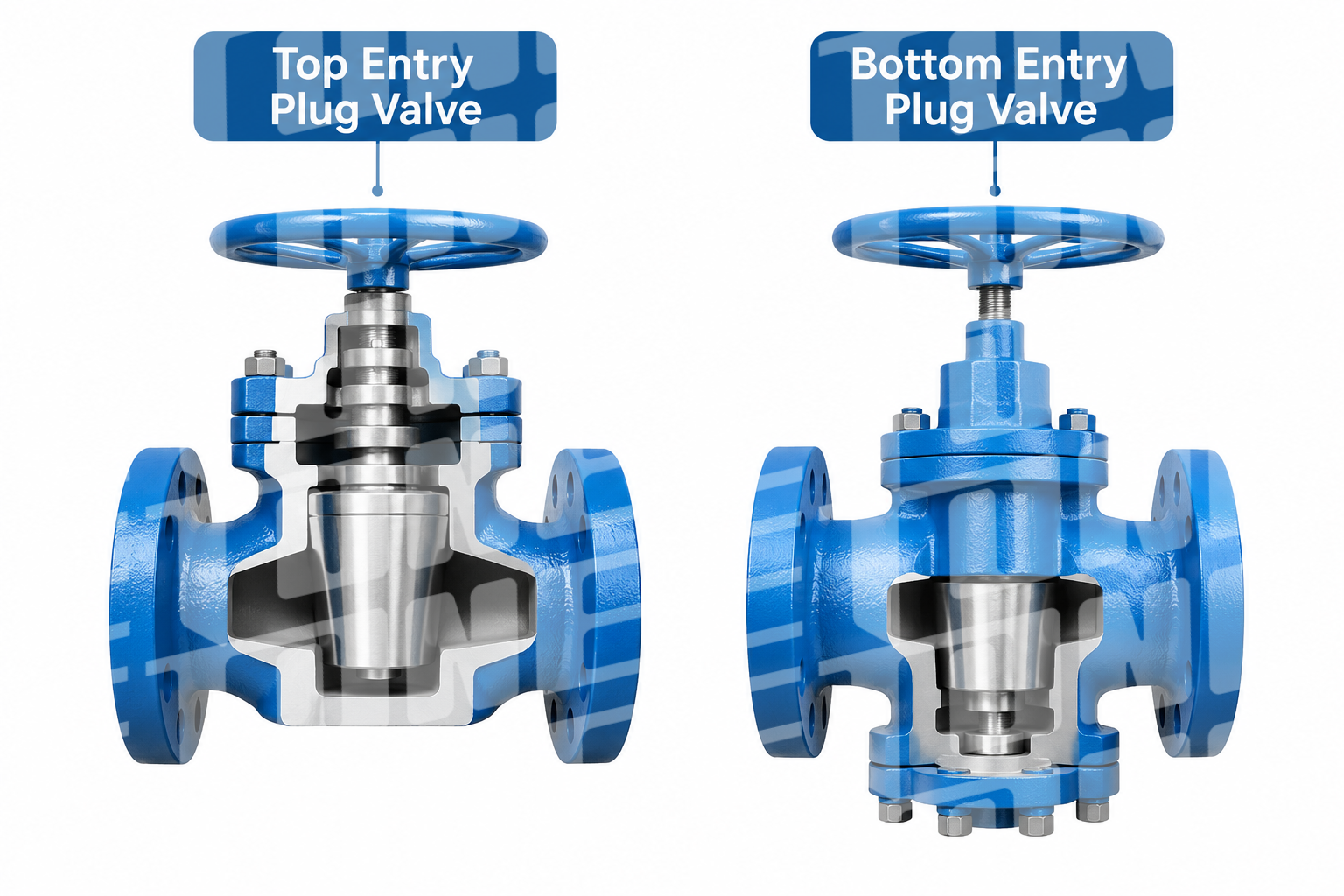
Plug valves serve as critical hardware for oilfield drilling, cementing, and hydraulic fracturing processes, delivering dependable flow regulation amid high-pressure and harsh operating environments. Two prevalent configurations — top-entry and bottom-entry plug valves — are distinguished primarily by their internal build and service access points.
Grasping such distinctions enables purchasers to pick properly matched valve assemblies and spare part kits, cut maintenance expenditure, and boost the reliability of field equipment.
1. What Is a Top Entry Plug Valve?
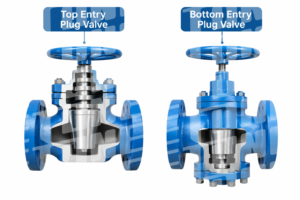
A top entry plug valve allows internal components to be accessed through an opening at the top of the valve body.
Its main features include:
Upper access for internal component inspection.
Removable cover or retaining assembly.
Replaceable sealing components, depending on valve design.
Easy service access where adequate installation clearance is provided.
This design streamlines many maintenance tasks: service technicians can reach internal components without full disassembly of the valve body.
2. What Is a Bottom Entry Plug Valve?
A bottom entry plug valve uses a lower access opening for installing or removing designated internal components.
Its main characteristics include:
Bottom access for plug assembly maintenance.
A retaining structure to secure internal components.
Sealing elements designed for high-pressure operation.
Maintenance access from underneath the valve.
Bottom entry plug valves are commonly used in oilfield flowline and well-service equipment, including cementing and fracturing systems.
3. Top Entry vs. Bottom Entry Plug Valves: Key Differences
| Comparison | Top Entry | Bottom Entry |
| Access direction | Upper opening | Lower opening |
| Assembly access | From the top | From the bottom |
| Maintenance | Upper-side access | Lower-side access |
| Installation | Requires upper clearance | Requires lower clearance |
| Repair kit | Model-specific | Model-specific |
Neither design is universally better. The right choice depends on valve specifications, installation conditions, and maintenance requirements.
4. Typical Components of Plug Valve Repair Kits
A premium plug valve repair kit restores the valve’s sealing capability and prolongs its service life.
Typical kit contents are listed below:
Seal Segments: Form the sealing barrier between the plug and valve body.
O-Rings: Stop leakage at specified sealing joints.
Retainers: Hold internal parts securely in place.
Metal Parts: Deliver structural support and mechanical integrity.
Grease Fittings: Enable injection of lubricants or sealing compounds.
For high-pressure oilfield service, materials including AISI 4140, PEEK and HNBR are widely specified based on part function and operating conditions.
5. Common Operational Faults and Maintenance Guidance
Plug valves are susceptible to a range of faults after prolonged operation:
Internal Leakage: Generally caused by seal degradation, worn components or incorrect installation. Inspect sealing surfaces and replace faulty parts.
Excessive Operating Torque: Triggered by inadequate lubrication, particle contamination or misassembly of internal components. Follow the manufacturer’s lubrication procedure.
Elastomer (O‑Ring) Failure: Seal damage may result from chemical attack, extreme temperature swings and pressure extrusion. Select sealing materials compatible with the process media.
Continuous Component Wear: Abrasive fluids and repeated cycling wear internal surfaces. Scheduled inspections allow early detection of potential failures.
Prior to maintenance, secure valve isolation and full depressurization. All service activities shall be performed in accordance with the manufacturer’s documented procedures.
6. How to Choose the Right Oilfield Plug Valve Repair Kit
Before purchasing replacement oilfield valve parts, consider:
Valve Type: Confirm top entry or bottom entry configuration.
Valve Size: Common options include 1″, 2″, and 3″.
Pressure Rating: Verify the required working pressure, such as 10,000 or 15,000 PSI.
Material: Consider AISI 4140, PEEK, HNBR, and other application-specific materials.
Compatibility: Check the original valve model, drawings, dimensions, and connection specifications.
For Fig. 1502 high-pressure applications, accurate component matching is particularly important for reliable assembly and sealing.
7. Why Choose Etone for Custom Oilfield Spare Parts?
Dongguan Etone Technology Co., Ltd. specializes in manufacturing precision metal components and oilfield repair kits.
Our main products include:
Top Entry and Bottom Entry Plug Valve Repair Kits
Flapper Check Valve Repair Kits
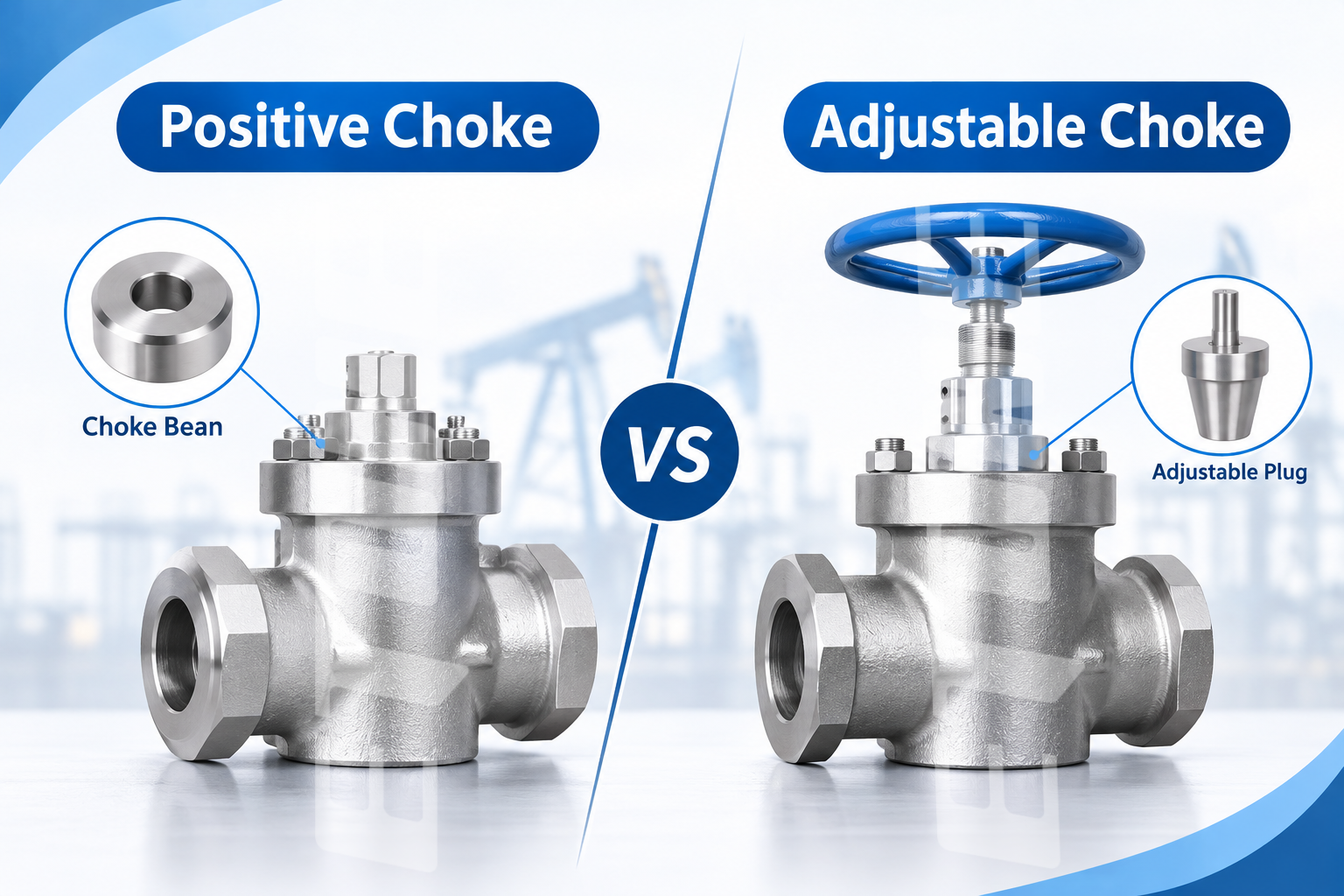
Choke Valve Parts
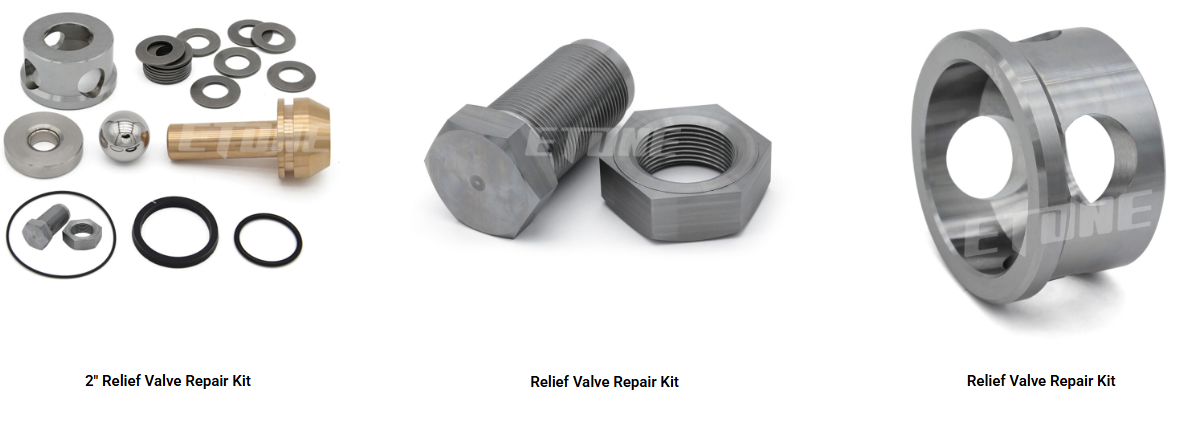
Relief Valve Repair Kits
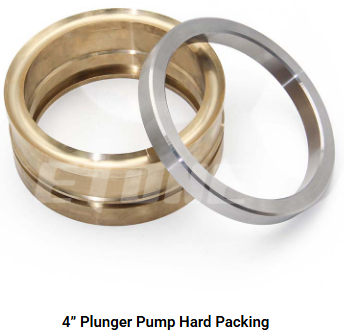
Plunger Pump Packing
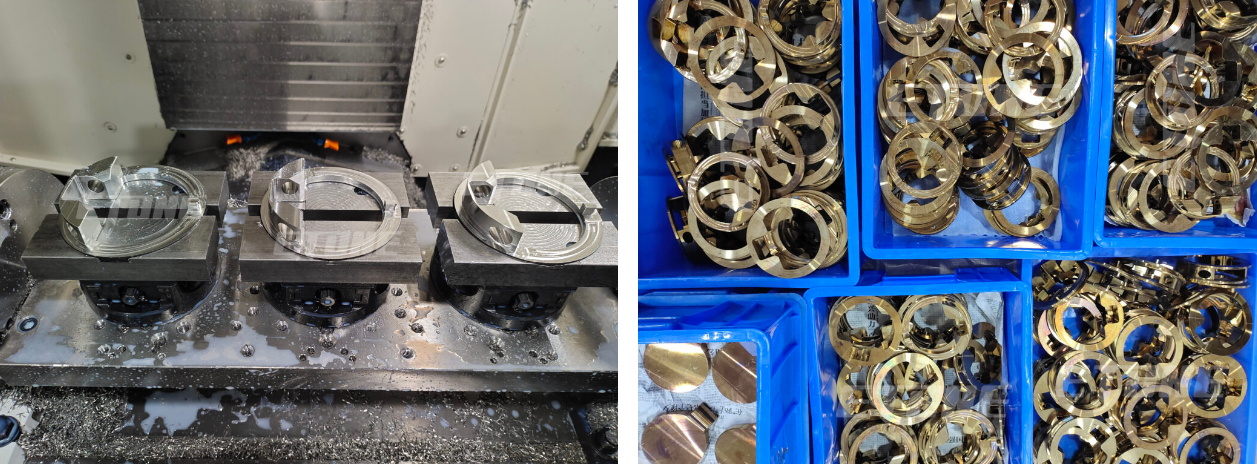
Custom CNC Machined Oilfield Components
Equipped with CNC turning, CNC milling and precision inspection facilities, we deliver custom manufacturing per customer drawings, samples and technical specifications.
Backed by our ISO 9001:2015 and IATF 16949:2016 certified quality management systems, we maintain stable and consistent production quality.
We are committed to supplying dependable oilfield spare parts with competitive pricing and agile support for clients worldwide.
8. Frequently Asked Questions
Q1: What is the main difference between top entry and bottom entry plug valves?
The main difference is the internal access direction. Top entry valves are accessed from above, while bottom entry valves are accessed from below.
Q2: Are top entry and bottom entry repair kits interchangeable?
Not necessarily. Their internal structures and dimensions may differ. Always confirm valve specifications before ordering.
Q3: What sizes of plug valve repair kits does Etone offer?
Etone offers 1″, 2″, and 3″ top entry and bottom entry plug valve repair kits.
Q4: What materials are available?
Common materials include AISI 4140, PEEK, and HNBR, depending on component requirements.
Q5: Can Etone manufacture customized oilfield valve parts?
Yes. We support custom production based on drawings, samples, dimensions, and material requirements.
9. Contact Etone for Oilfield Plug Valve Repair Kits
Searching for a trusted manufacturer of plug valve repair kits?
Etone supplies custom oilfield valve components and precision CNC machining solutions for drilling, cementing and fracturing equipment.
Share your drawings, samples or technical specifications with us for a competitive quote.
Dongguan Etone Technology Co., Ltd.
Website: https://etoneoil.com/
Tel: +86 135 3728 5097
Address: Dongguan, Guangdong, China
Contact Etone today for reliable oilfield spare parts and customized manufacturing solutions!