In oilfield drilling, cementing, and hydraulic fracturing operations, keeping flow direction correct is essential for equipment safety and operational efficiency. High‑pressure fluids that move in the flow direction can damage pumps, manifolds, pipelines, and other critical equipment.
A Flapper Check Valve is designed to prevent this problem by allowing fluid to flow in one direction while automatically blocking flow in the opposite direction. A Flapper Check Valve is widely used in high‑pressure oilfield flowline systems because of its structure and reliable operation.
Understanding how flapper check valves work, what internal parts flapper check valves contain, and what maintenance flapper check valves need helps operators choose Oilfield Check Valve Parts and reduce unexpected equipment downtime.
1. What Is a Flapper Check Valve?
The flapper check valve belongs to non‑return valves. It adopts a hinged flapper disc to control fluid direction.
Forward fluid pressure pushes the flapper open for passage. When flow halts or reverses, the flapper closes against the seat to stop backflow.
No external actuator or manual control is needed; it functions automatically, unlike hand‑operated valves.
Core functions are listed below:
Block fluid backflow
Safeguard pumps and high‑pressure equipment
Maintain pressure isolation within flowlines
Lower the risk of equipment failure
Enhance overall safety for oilfield operations
2. How Does a Flapper Check Valve Prevent Backflow?
Differential pressure, alongside gravity and other engineered closing forces, powers the operation of a flapper check valve.
2.1 Normal Forward Flow
Once upstream pressure rises enough above downstream pressure, fluid pressure forces the flapper open. The flapper pivots on its hinge pin to create a path for fluid flow through the valve.
2.2 Flow Stops
When fluid flow decreases or stops, the pressure difference supporting the open flapper disappears. The flapper moves toward the valve seat.
2.3 Reverse Flow Prevention
Should downstream pressure build above upstream pressure, backpressure drives the flapper toward its seat. The established sealing face blocks backward fluid passage.
This self-actuating response is essential for fracturing and cementing circuits requiring controlled unidirectional transport of high-pressure fluid.
3. Why Are Flapper Check Valves Important in High-Pressure Oilfield Applications?
Oilfield equipment often runs under conditions that involve high pressure, abrasive particles, and repeated pressure changes.
Flapper check valves provide important benefits.
– Pump Protection: Flapper Check Valves help stop reverse flow from entering pumps and damaging internal parts.
– Flowline Safety: Flapper Check Valves provide automatic backflow protection in high‑pressure treating lines.
– Equipment Isolation: Flapper Check Valves help isolate upstream equipment from downstream high‑pressure fluids.
– Operational Reliability: Flapper Check Valves operate automatically, reducing the need for manual flow‑direction control.
For example, Etone offers 3‑inch Flapper Check Valve kits that are made for applications with working pressures up to 15,000 PSI, depending on the model and configuration.
4. Key Components of a Flapper Check Valve
The performance of a high-pressure flapper check valve depends on the quality and compatibility of its internal components.
Common components include:
| Component | Main Function |
| Flapper | Opens and closes the flow passage |
| Flapper Seat | Provides the sealing surface |
| Hinge Pin | Supports flapper movement |
| Back Seat Bushing | Supports internal positioning |
| Fasteners | Secure designated components |
| Sealing Elements | Help prevent fluid leakage |
While every part has a job, the flapper and seat are responsible for sealing and preventing water from flowing back.
Reliable valve performance depends on measurements, strong material choices, smooth surface finishes, and correct installation.
5. Common Flapper Check Valve Problems
High-grade oilfield check valves can still wear out under long-term exposure to high pressure and abrasive media.
5.1 Flapper Wear or Deformation
Repeated opening and closing cycles can cause wear or deformation on the flapper surface.
Solution: Inspect the flapper regularly and replace damaged components with compatible replacement parts.
5.2 Seat Leakage
Impaired sealing interfaces or trapped particulate contaminants may inhibit complete flapper closure.
Solution: Perform internal valve cleaning and seat inspection as part of maintenance procedures.
5.3 Hinge Pin Wear
The hinge pin supports flapper movement. Wear or corrosion may cause abnormal movement or improper closing.
Solution: Check hinge pin dimensions and replace worn pins when necessary.
5.4 Corrosion and Erosion
High-speed fluid flow, sand particles, and corrosive media will gradually degrade the valve’s internal parts.
Solution: Choose proper materials based on operating pressure, temperature, and fluid makeup.
Routine inspection plus timely replacement of worn components from the flapper check valve repair kit helps cut equipment breakdowns and lower maintenance expenses.
6. How to Select a Suitable Flapper Check Valve Repair Kit
Picking a well-matched repair kit is critical to sustain your valve’s working performance.
Keep these key factors in mind before ordering replacement oilfield valve components:
Valve Model: Confirm the OEM and valve design, including FMC, SPM, FV, F, and TSI styles.
Valve Size: Double-check the nominal bore size and internal part dimensions.
Working Pressure: Validate the required pressure class and field service conditions.
Material: Assess corrosion resistance, mechanical strength, and wear performance.
Connection Type: Ensure fit with Fig. 1502 hammer unions or other designated connections.
Build Quality: Review CNC precision, heat treatment, and dimensional verification standards.
A reliable flapper check valve repair kit supplier can fabricate replacement parts from your technical drawings, samples, and equipment specs.
7. Why Choose Etone for Flapper Check Valve Repair Kits?
Dongguan Etone Technology Co., Ltd. specializes in precision metal components and oilfield equipment repair kits.
Our product range includes:
Flapper Check Valve Repair Kits
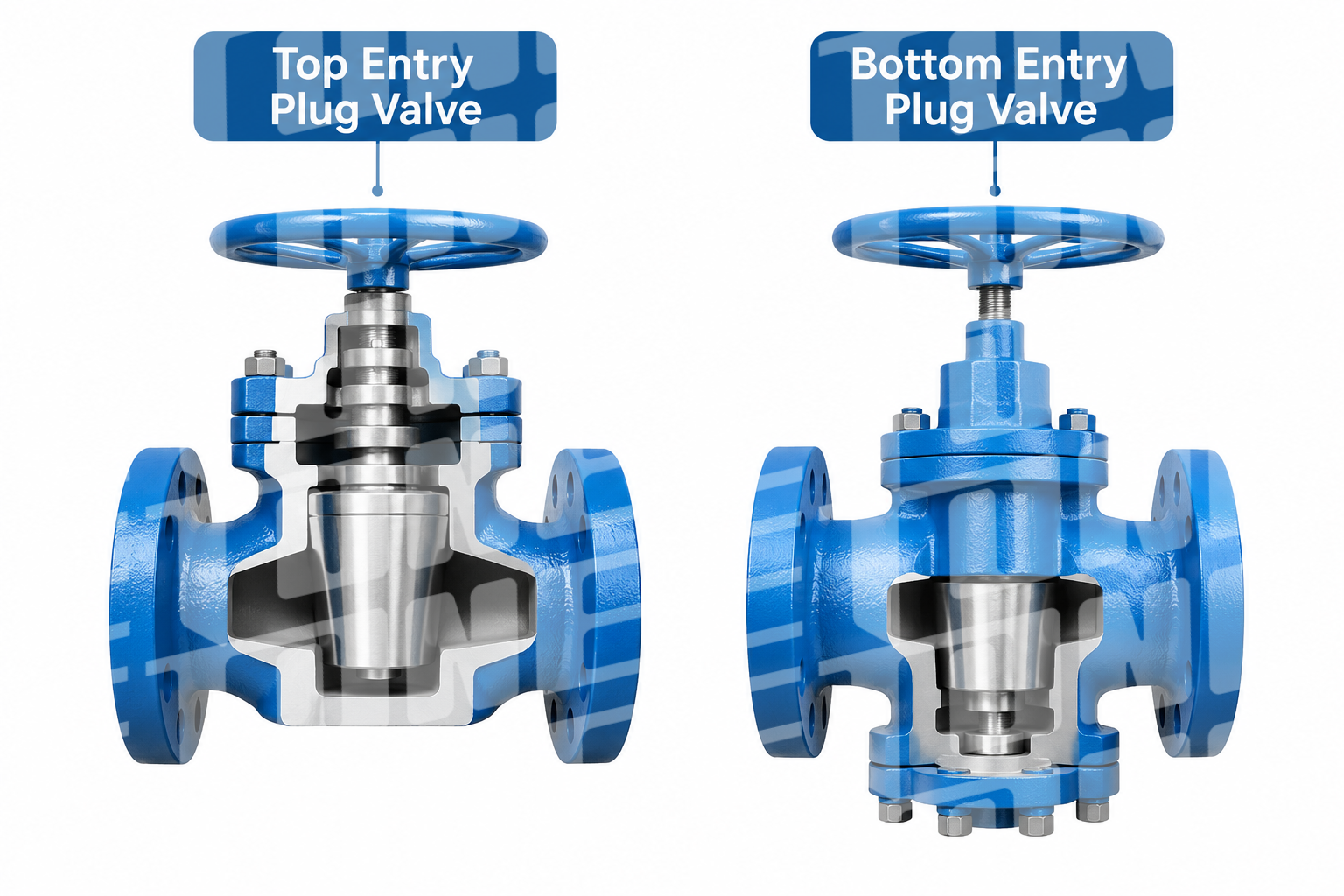
Plug Valve Repair Kits
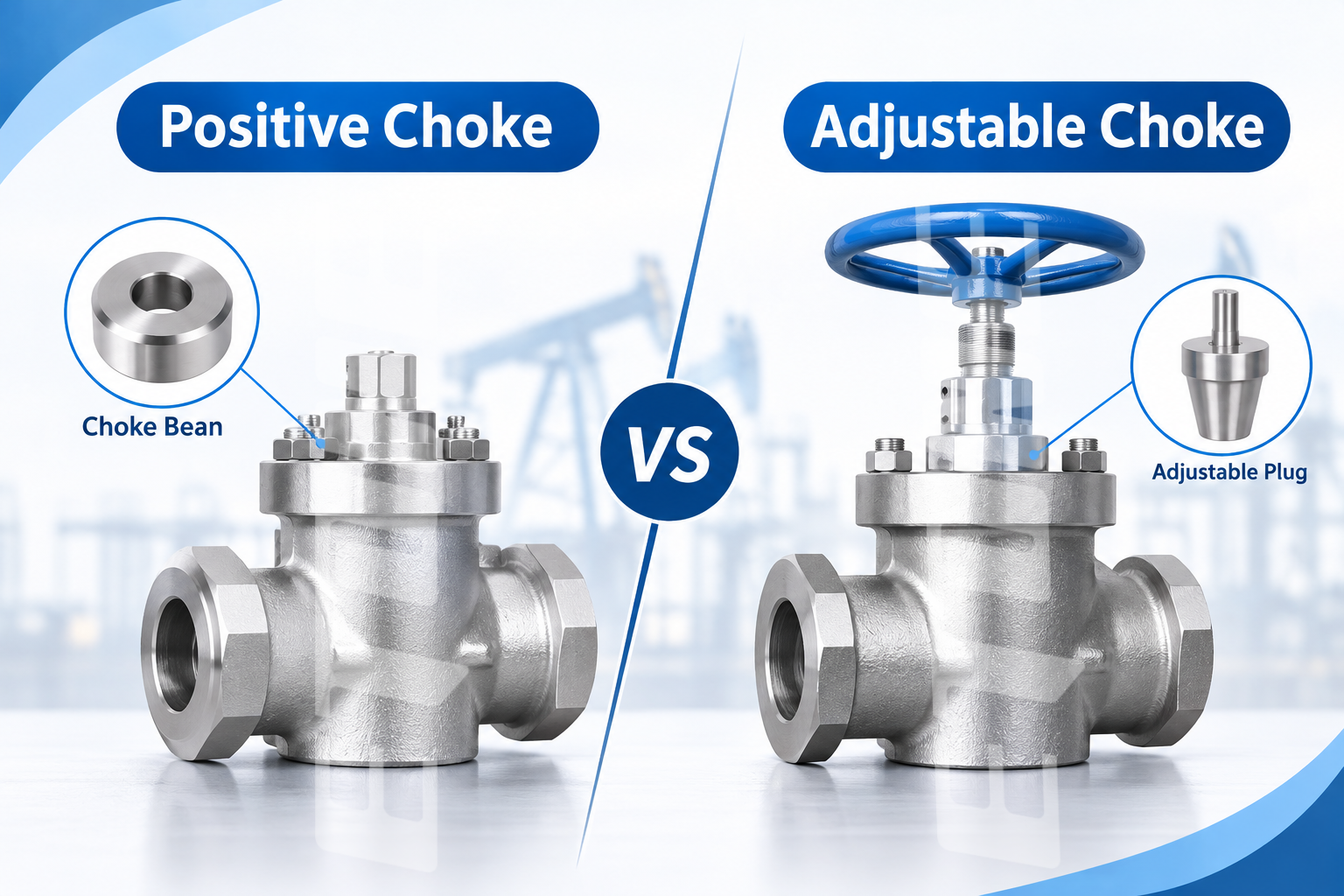
Choke Valve Parts
Relief Valve Repair Kits
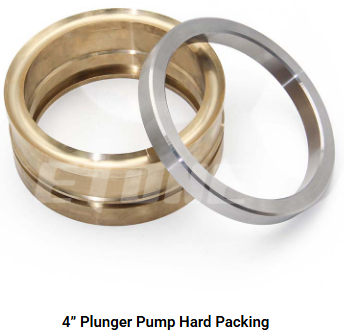
Plunger Pump Packing
Other Custom Oilfield Spare Parts
Precision Manufacturing
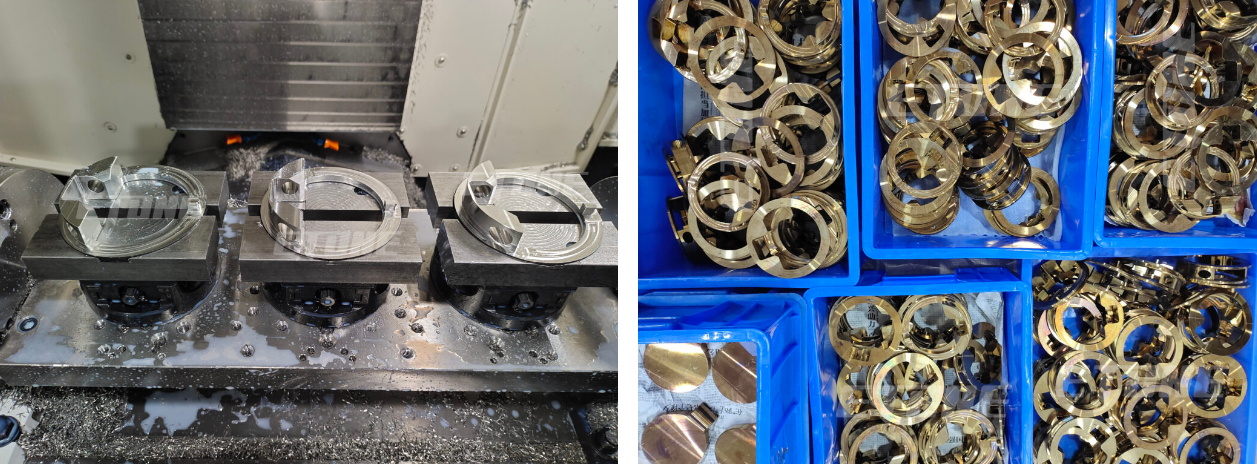
Etone provides CNC machining, CNC turning, and CNC milling services to manufacture precision oilfield valve components.
Our flapper check valve kits cover multiple configurations, including FMC, SPM, FV, F, and TSI styles.
Selected 3-inch F-style kits support working pressures up to 15,000 PSI and Fig. 1502 hammer union connections, subject to the specific product specifications.
Material and Quality Control
Our material portfolio covers alloy steel, stainless steel and advanced engineering grades including AISI 4140, AISI 4340, SUS304, SUS316 and PH17-4.
Etone maintains ISO 9001:2015 and IATF 16949:2016 QMS certifications. Dimensional accuracy, material traceability and process stability are core focuses throughout our production and inspection workflows.
We provide custom manufacturing of oilfield spare parts in compliance with client-supplied drawings, samples, and technical specifications.
8. Contact Etone for Custom Flapper Check Valve Repair Kits
Looking for a reliable Flapper Check Valve Repair Kit Manufacturer?
Dongguan Etone Technology Co., Ltd. provides precision-machined oilfield valve parts and customized repair kits for drilling, cementing, and hydraulic fracturing equipment.
Whether you need FMC-style, SPM-style, or other flapper check valve replacement components, our team can help you find a suitable manufacturing solution.
Send us your drawings, samples, or technical specifications to receive a quotation.
Website: https://etoneoil.com/
Tel: +86 135 3728 5097
Contact Etone today for reliable oilfield check valve parts and customized repair kit solutions!