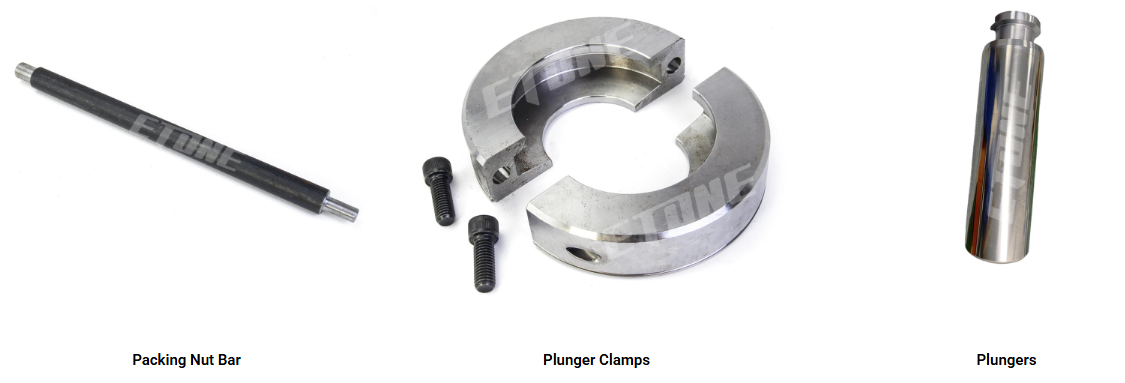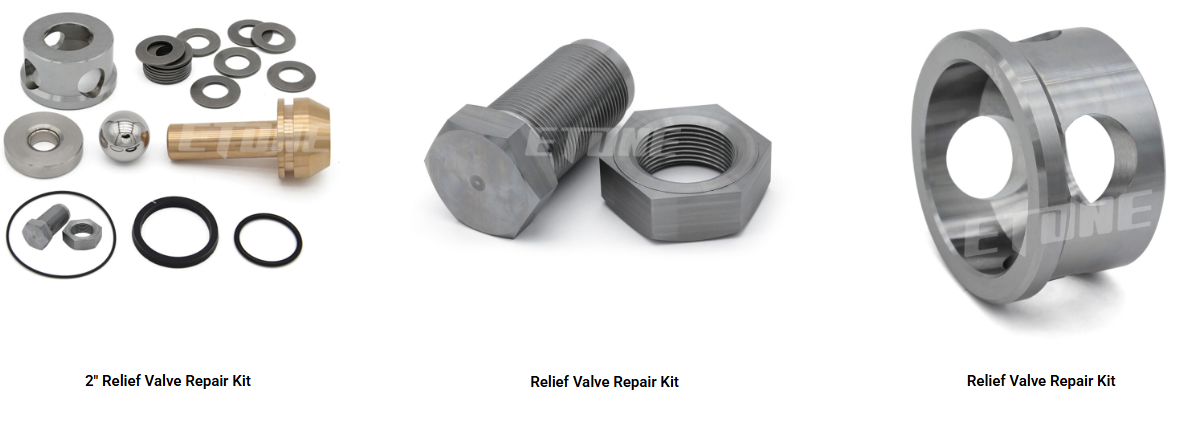
Within high-pressure oilfield operations, plunger pumps are core equipment for hydraulic fracturing, cementing, drilling, and well intervention. Subjected to cyclic pressure variation, abrasive fluids, and continuous reciprocating action, their internal components endure substantial mechanical stress.
Plunger pump packing is a key sealing assembly responsible for leak containment and sustained sealing integrity. Nevertheless, premature packing degradation remains a recurring failure mode in high-pressure pumping circuits. Unplanned seal replacement increases maintenance costs, causes operational disruptions, and reduces equipment uptime.
Identification of common packing failure mechanisms is valuable for operators, maintenance technicians, and spare parts procurement groups. This document examines dominant factors impacting packing longevity and provides engineered measures to enhance sealing stability.
1. What Is Plunger Pump Packing and Why Is It Important?
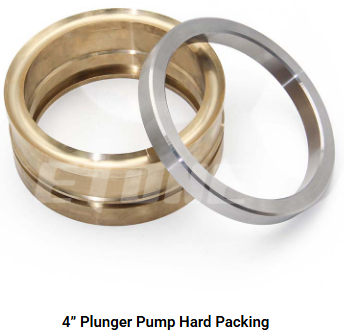
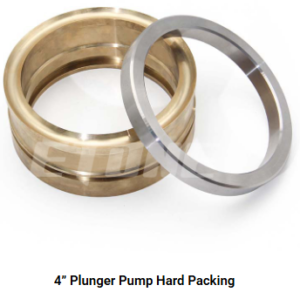
Plunger pump packing is a special sealing part that goes around the moving plunger inside the end of a high-pressure pump. It is made to stop fluid from leaking out along the plunger as the pump works all the time. This is different from a seal because it has to keep sealing even when it moves back and forth constantly.
A normal packing setup has an adapter that helps spread the pressure evenly, a header ring that keeps the shape, a pressure ring that handles heavy loads, a wiper seal that removes dirty particles from the plunger, a lantern ring that brings in lubrication, and a junk ring that stops bad stuff from getting in. The way the packing is put together can be different depending on the type of pump, the job it does, and the rules from the company that made it.
Good packing, for oilfield use, needs to be strong, able to handle pressure, not get too hot, and work with the fluid it is sealing. When the packing gets worse, it can cause leaks. These leaks can damage parts of the end and cause the machine to stop working when it is not supposed to.
2. Common Causes of Premature Plunger Pump Packing Failure
Contaminants in pumped fluids are the top cause of packing failure. Sand, proppants, and drilling solids from fracturing and drilling get into the sealing zone. These particles scratch the plunger surface. Wear down the packing lips. Over time, this damage weakens the seal. Leads to leaks. To prevent this, use filtration systems, install working wiper seals, and choose abrasion-resistant packing materials.
Lack of lubrication is another major issue. When lubrication is insufficient, friction builds between the moving plunger and the packing stack. This friction generates heat, which can harden, crack, or deform the packing material. Operators must check lubrication flow regularly. They should also clear any blocked passages. Never operate the pump when lubrication is low.
Using the packing material leads to quick failure. Seals designed for light-duty use won’t last under pressure, high abrasion, or extreme temperatures. It’s important to pick the material based on pressure, temperature, chemical exposure, abrasion resistance, and plunger speed. Etone Oil offers heavy-duty packing that works well in oilfield conditions. These packs can be customized for temperature, high pressure, and abrasive environments.
Faulty installation and over-compression are problems. Installing packing with the ring orientation put in the wrong order, or tightening the gland too much, can cause uneven pressure. This leads to seal damage. On the other hand, not compressing the packing enough results in leaks. Always follow the equipment manufacturer’s instructions. Clean the cavity properly. Avoid over-tightening during installation.
Misaligned plungers and surface flaws cause contact. When the plunger is not straight or has scratches, corrosion, or bends, it wears out the packing faster. This creates uneven wear patterns and shortens the packing life. Regular alignment checks and replacing plungers and support parts help maintain performance.
Sudden pressure surges and temperatures above design limits also harm packing. These conditions push the material beyond its limits, causing extrusion and permanent deformation. Monitoring pressure and temperature in time helps catch issues early. Choosing packing based on operating conditions—not just size—also improves reliability.
Finally, skipping maintenance makes things worse. Running a pump with packing can damage plungers, glands and other parts in the fluid end. When changing packing, technicians should inspect wiper seals, lantern rings and lubrication paths. Replacing all failing components at once reduces repeat repairs and unplanned downtime.
3. How to Identify Early Signs of Plunger Pump Packing Failure
Early detection is important for preventing minor sealing problems from developing into major equipment failures.
| Warning Signs | Possible Causes | Recommended Actions |
| Increased fluid leakage | Packing wear or incorrectcompression | Inspect and replace packing |
| Hardened packing | Excessive friction or heat | Check lubrication and materialselection |
| Uneven wear | Plunger misalignment | Inspect alignment and supportingparts |
| Scratched plunger surface | Abrasive contamination | Inspect wiper seals and filtration |
| Frequent packingreplacement | Incorrect material or operatingconditions | Review the complete sealing system |
| Packing deformation | Excessive pressure or improperinstallation | Check operating limits andassembly |
Maintenance teams should investigate the underlying cause before installing replacement packing. This approach helps avoid repeated failures and unnecessary spare parts expenses.
4. How to Extend the Service Life of High-Pressure Plunger Pump Packing
Extending packing service life is not achieved merely through seal replacement. A comprehensive maintenance regime encompasses application-specific material specification, controlled installation and periodic equipment condition monitoring.
Five key recommendations are outlined below:
Specify application-matched packing
Select plunger pump packing with consideration for pump model, operating pressure, temperature and fluid media characteristics.
Maintain stable lubrication performance
Ensure continuous lubricant delivery and prevent blockages within lubrication pathways.
Perform periodic plunger condition audits
Prior to packing installation, inspect plungers for scoring, corrosion, coating degradation and misalignment.
Comply with approved installation specifications
Assemble packing rings per the designated stack arrangement and avoid excessive compressive loading.
Procure qualified replacement components
Source from established oilfield spare parts manufacturers that offer consistent dimensional control, fit-for-purpose materials and formal quality verification.
Joint adoption of these controls mitigates premature packing degradation, improves equipment integrity and reduces lifecycle maintenance expenditure.
5. Why Precision Manufacturing Matters for Oilfield Plunger Pump Packing
Manufacturing quality directly affects the performance of high-pressure oilfield spare parts.
Small dimensional deviations, inconsistent material properties, or poor surface finishing can affect sealing contact and assembly compatibility.
At Etone Oil, precision manufacturing and quality inspection are important parts of the production process.
Dongguan Etone Technology Co., Ltd. specializes in developing, customizing, and manufacturing precision metal components and repair kits for oilfield drilling equipment.
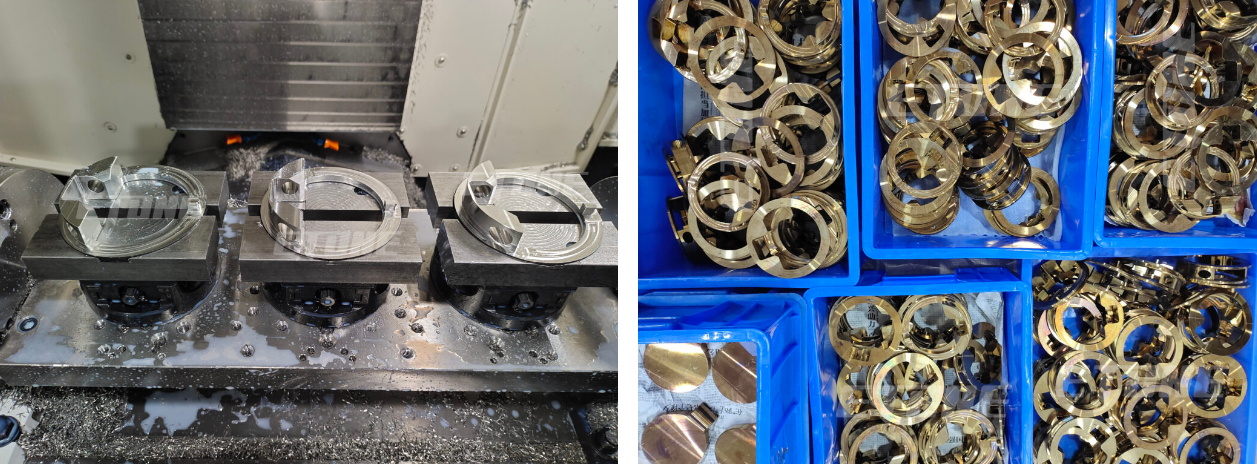
Our manufacturing capabilities include CNC machining, CNC turning, CNC milling, and other precision manufacturing services.
Our main product range includes:
Plunger Pump Packing: High-pressure packing and hard packing solutions for oilfield plunger pumps.
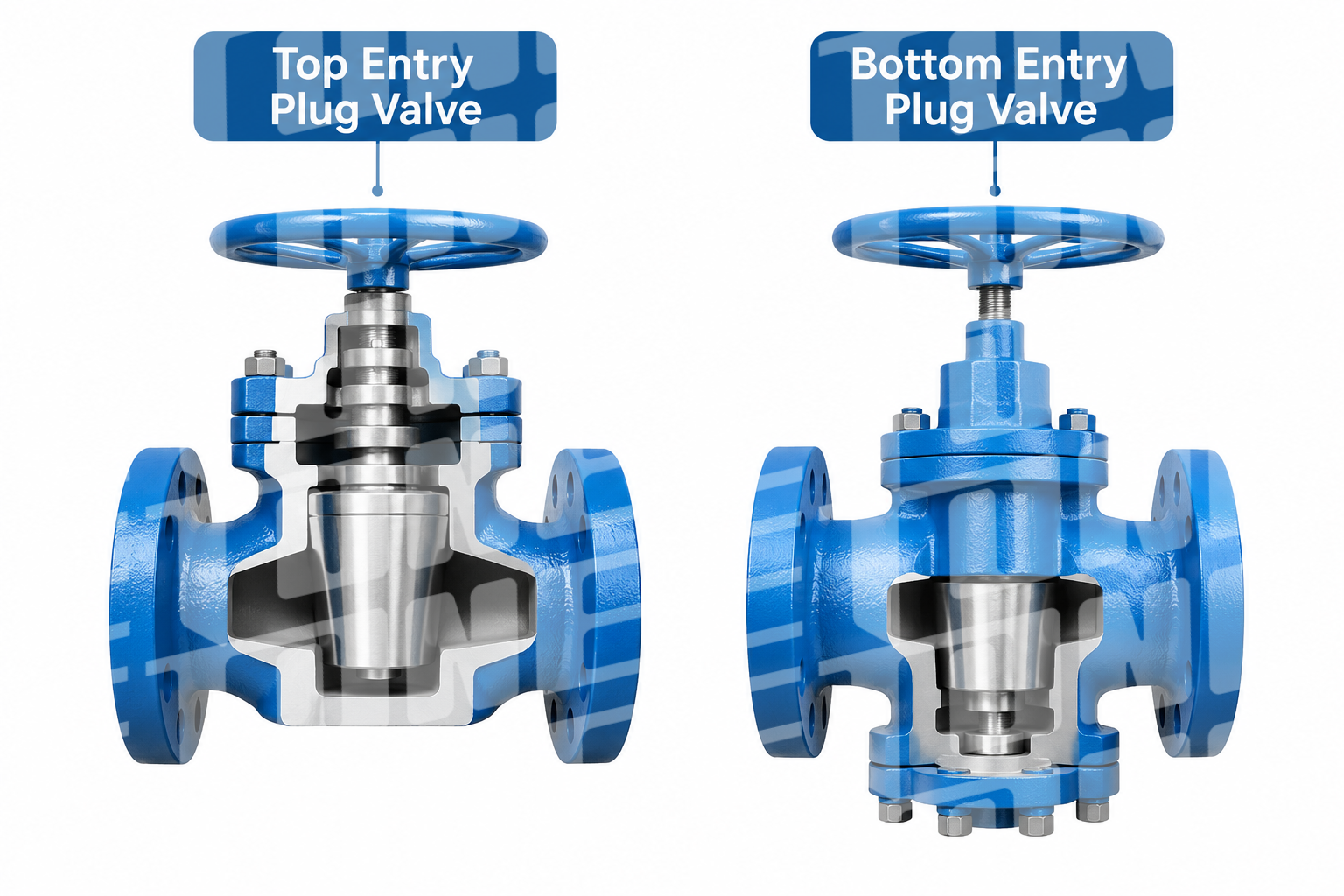
Plug Valve Repair Kit: Replacement components for high-pressure plug valve maintenance.
Flapper Check Valve Repair Kit: Precision components designed for reliable backflow prevention.
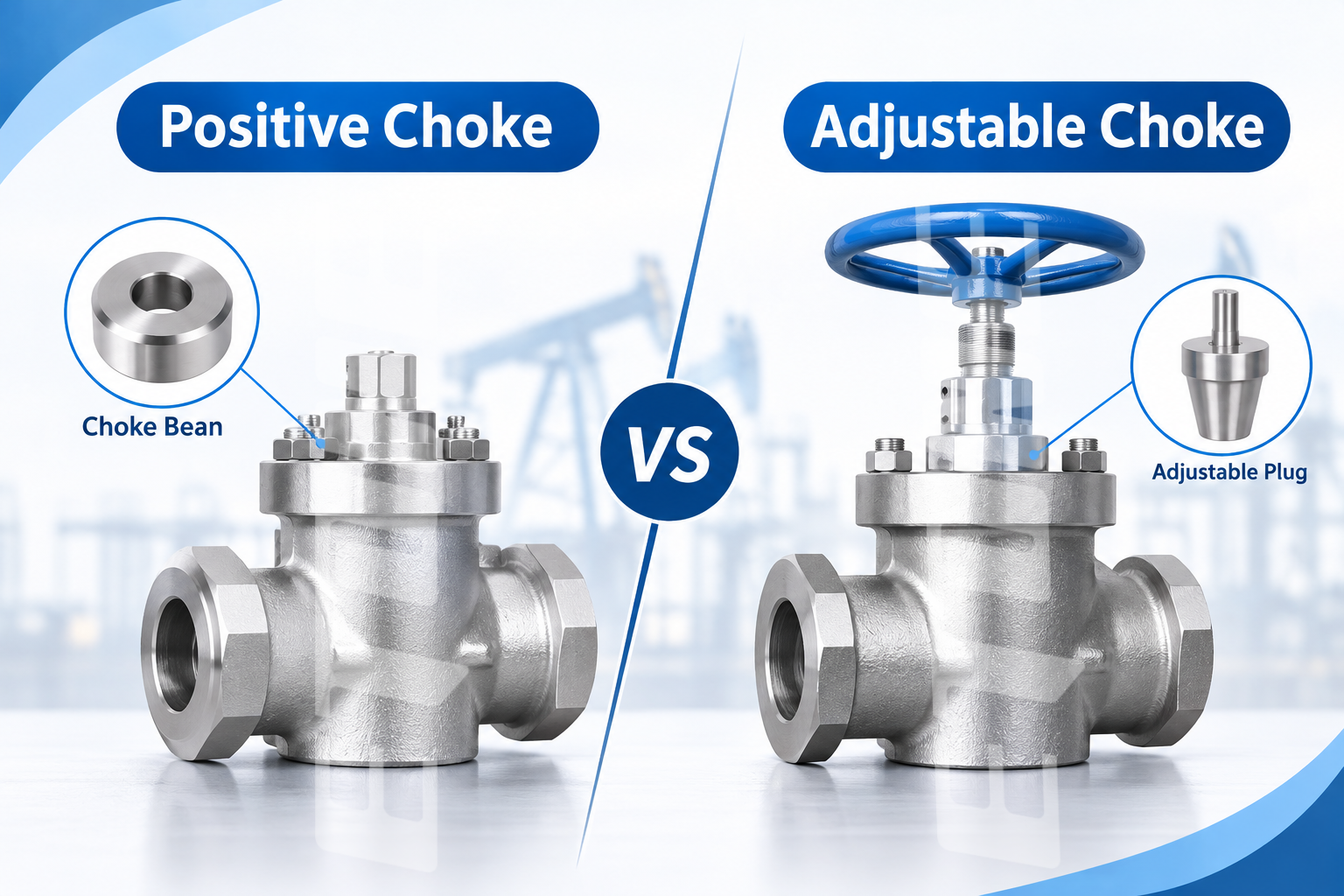
Choke Valve Parts: Wear-resistant components for oilfield flow control equipment.
Relief Valve Repair Kit: Replacement parts for pressure protection systems.
Other Oilfield Spare Parts: Customized precision metal components for drilling and well-service equipment.
We work with various engineering materials, including AISI 4140, AISI 4142, AISI 4340, SUS304, SUS316, PH17-4, tungsten steel, and other specialized alloys.
Etone Oil has obtained ISO 9001:2015 and IATF 16949:2016 quality management certifications. Our testing department conducts product inspections to support consistent manufacturing quality.
Whether you need standard plunger pump packing or customized oilfield pump components, our team can provide manufacturing solutions based on your technical requirements.
6. How to Choose the Right Plunger Pump Packing Supplier
Selecting a reliable plunger pump packing manufacturer is essential for maintaining stable equipment performance and reducing procurement risks.
Before placing an order, consider the following factors:
Product Compatibility: Confirm that the packing dimensions and configuration match your pump model.
Material Options: Check whether the supplier can provide suitable materials for your pressure, temperature, and fluid conditions.
Manufacturing Capabilities: Look for suppliers with CNC machining and precision production capabilities.
Quality Inspection: Confirm that dimensional and material inspections are performed.
Customization Services: Choose a manufacturer capable of producing replacement components according to drawings, samples, or technical specifications.
Supply Reliability: Evaluate production capacity, communication efficiency, and delivery arrangements.
For oilfield service companies, pump maintenance contractors, and equipment distributors, working directly with a professional manufacturer can simplify sourcing and improve replacement-part consistency.
Contact Etone Oil
Looking for a reliable Plunger Pump Packing Manufacturer for your oilfield equipment?
Dongguan Etone Technology Co., Ltd. provides precision-engineered oilfield pump parts, valve parts, and customized repair kits for global oilfield service companies and equipment distributors.
Website: https://etoneoil.com/
Phone / WhatsApp: +86 135 3728 5097
Send us your drawings, samples, or product requirements today. Contact Etone Oil for professional technical support and a competitive quotation.