Choke valves are parts used in oilfield drilling, well testing, hydraulic fracturing, and production work. They control the flow of liquids, keep pressure steady after the valve, and protect equipment even in tough conditions.
Positive chokes and adjustable chokes are two types of flow control devices. Even though both are used to reduce the flow of fluid, they are very different when it comes to how they work, what they look like inside, and how they are maintained.
Choosing the right choke valve improves how well things work, reduces wear on parts, and keeps pressure under control. This article explains the differences between choke valves and adjustable choke valves, talks about the usual situations where each is used, the materials they are made from, and gives help on finding the right oilfield choke valve parts and replacement pieces.
1. What Is a Positive Choke?
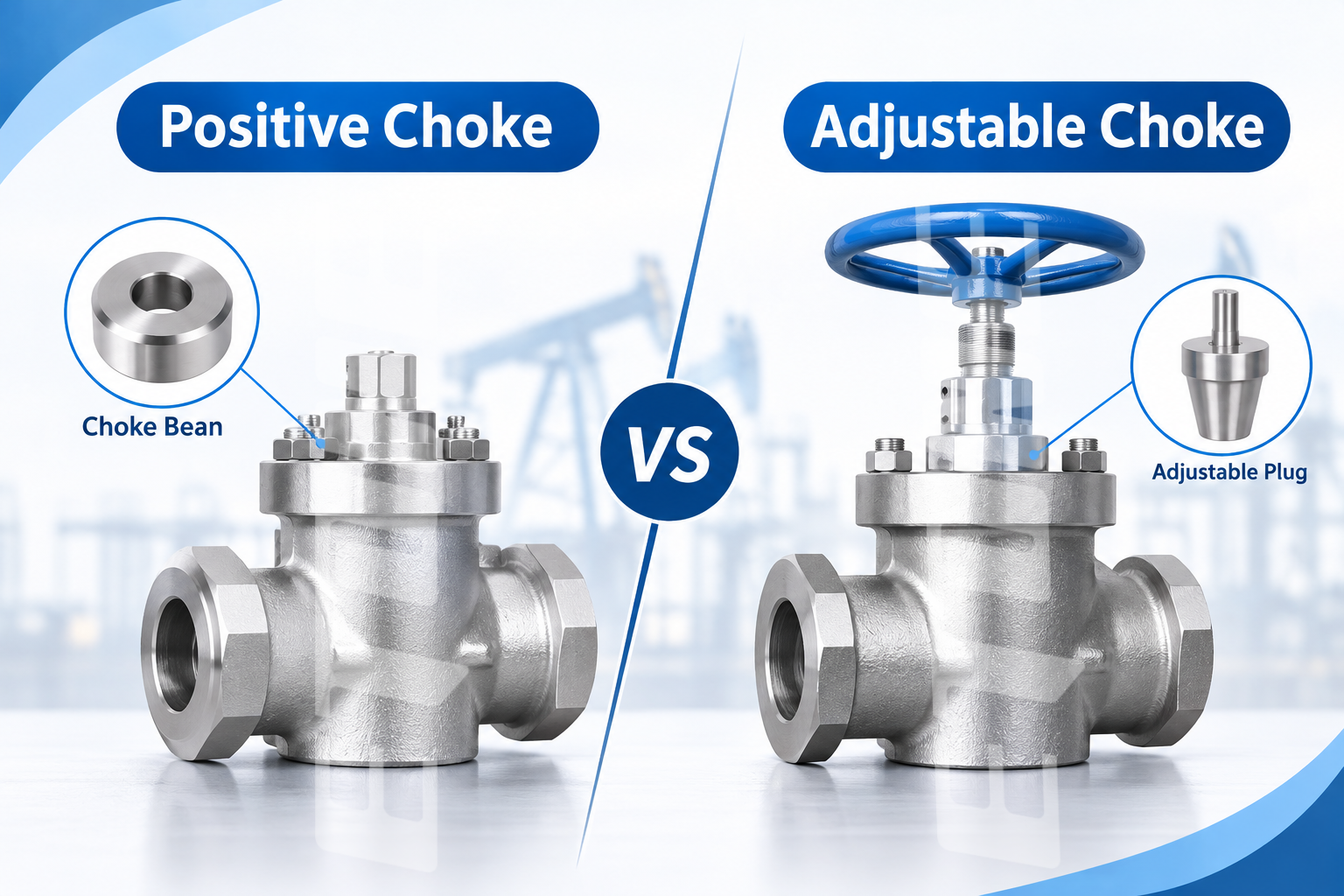
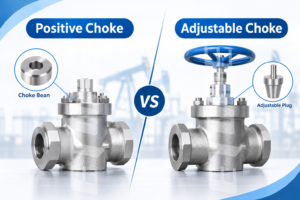
A positive choke, also referred to as a fixed choke, governs fluid flow by means of a replaceable choke bean with a pre-defined orifice dimension.
In contrast to adjustable chokes, positive chokes preclude in-service continuous throttling adjustment. Modification of the flow area requires operators to execute qualified isolation and depressurization protocols prior to exchanging the choke bean for an alternate size.
Main Features of Positive Chokes
– Fixed orifice for consistent flow restriction.
– Relatively simple internal structure.
– Replaceable choke beans in different sizes.
– No continuous mechanical adjustment required.
– Suitable for applications requiring predetermined flow conditions.
Common Applications
Positive choke valves are widely deployed in well testing, production systems, and high-pressure oilfield flowlines where a fixed flow restriction is required.
They are especially valuable for scenarios demanding a repeatable orifice dimension and simple maintenance routines.
2. What Is an Adjustable Choke?
An adjustable choke allows you to control the flow by moving a part called a stem and seat.This movement is done by turning a handwheel or using special control equipment.
This changes where the stem is placed, which then changes how much flow can go through.
Because of this, the choke valve can handle pressure and flow needs.
It does not need a choke bean for small changes. This makes it easy to adjust and tune the system.
Main Features of Adjustable Chokes
– Variable flow opening.
– Flexible flow and pressure regulation.
– Movable stem and seat components.
– Suitable for changing operating conditions.
– Available in manual and automated configurations.
Common Applications
Adjustable choke valves are commonly specified for well cleanup, production commissioning, well testing, and other operations subject to in-process flow variation.
This variable geometry delivers enhanced throttling control for field operators, with the caveat that periodic inspection of wear-prone moving internals is mandatory.
3. Positive Choke vs. Adjustable Choke: Key Differences
Both choke configurations give flow restriction. Each choke configuration has its own operating and maintenance characteristics.
| Comparison | Positive Choke | Adjustable Choke |
| Flow opening | Fixed | Variable |
| Adjustment method | Replace choke bean | Adjust stem and seat |
| Operation | Predetermined restriction | Flexible regulation |
| Operation | Relatively simple | More moving components |
| Maintenance | Choke bean inspection | Stem, seat, and seal inspection |
| Best application | Stable flow conditions | Changing flow conditions |
Which One Should You Choose?
Positive chokes are typically specified where a fixed orifice and reproducible throttling performance are required. Their uncomplicated internal architecture facilitates component exchange and servicing.
Adjustable chokes are preferred for applications calling for frequent flow modulation or adaptation to transient wellbore conditions.
Neither configuration represents a universal solution. Final selection shall be based on operating pressure, fluid behavior, target flow rate, erosive risk, and the overall system arrangement.
4. Understanding Choke Beans and Their Importance
Choke beans constitute the core internals of positive choke valves. Their inner orifice defines the effective flow path and directly governs flow throttling performance.
Choke bean sizes are usually measured in 64ths of an inch. For example, a 16/64-inch choke bean has an opening size of 1/4 inch. Picking the choke bean size helps keep your working conditions steady.
Common Choke Bean Materials
Tungsten Carbide Choke Beans
Tungsten carbide has high hardness; it resists wearing down, and it resists being worn away by erosion. It is the option when things are tough to work with, and there are materials that scratch or sand in the flow.
Silicon Carbide Choke Beans
Silicon carbide has high hardness; it works well, and it resists wearing down. It works well in environments where it is allowed to be used. It is a choice for places that have materials that scratch or are chemical.
Stainless Steel and Alloy Steel
These metals are used for some parts of the choke depending on the force they have to deal with, how much they are exposed to rust, and what the design needs.
For oilfield choke beans, the material must always match the pressure, the temperature in the field, the type of fluid, and how much wear is expected.
5. Common Choke Valve Problems and Maintenance Considerations
A choke valve works in conditions, and internal components may wear out gradually during use.
Knowing problems can help operators plan maintenance better and cut down on surprise downtime.
5.1 Choke Bean Erosion
Fast fluids that carry sand and solid bits can slowly wear away the choke bean opening.
Solution: Check the orifice often. Choose wear‑resistant materials like tungsten carbide or silicon carbide that fit the operating conditions.
5.2 Unstable Flow Control
A wrong choke bean size, broken parts, or too much wear can disturb flow control.
Solution: Confirm choke specifications and examine the flow passage during scheduled maintenance.
5.3 Stem and Seat Wear
With adjustable choke valves, repeated motion and contact with fluids can harm the stem and seat.
Solution: Inspect contact surfaces, check component sizes, and replace choke valve parts when needed.
5.4 Leakage Around Sealing Components
Seals, wrong installation, or bad sealing materials can cause outside leakage.
Solution: Pick O‑rings and sealing parts and follow the manufacturer’s assembly steps.
Regular checks and prompt replacement of oilfield choke valve parts keep the system running well and extend the life of the equipment.
6. How to Select the Right Oilfield Choke Valve Parts?
Before buying choke beans or replacement choke valve parts buyers should look at key factors.
1. Operating Pressure and Temperature
Confirm the needed pressure and temperature range. Parts must match the specifications of the choke valve assembly.
2. Orifice Size
Pick the right choke bean diameter to match the required flow restriction. Typical sizes run from 2/64″ to 40/64″ depending on the product setup.
3. Material Requirements
Tungsten and Silicon carbide work well for many abrasive uses. Other materials can be chosen based on corrosion and mechanical needs.
4. Valve Compatibility
Check the maker valve model, connection type, part sizes, and technical drawings.
5. Manufacturing Quality
Precise machining, size checks, and material consistency are key for oilfield spare parts.
Working with an Oilfield Choke Parts Manufacturer can help buyers get compatible parts and tailor‑made manufacturing solutions.
7. Why Choose Etone for Custom Oilfield Choke Parts?
Dongguan Etone Technology Co., Ltd. specializes in developing and manufacturing precision metal components and repair kits for oilfield drilling equipment.
Our main products include:
– Positive Choke Beans
– Tungsten Carbide Choke Beans
– Silicon Carbide Choke Beans
– Choke Valve Parts
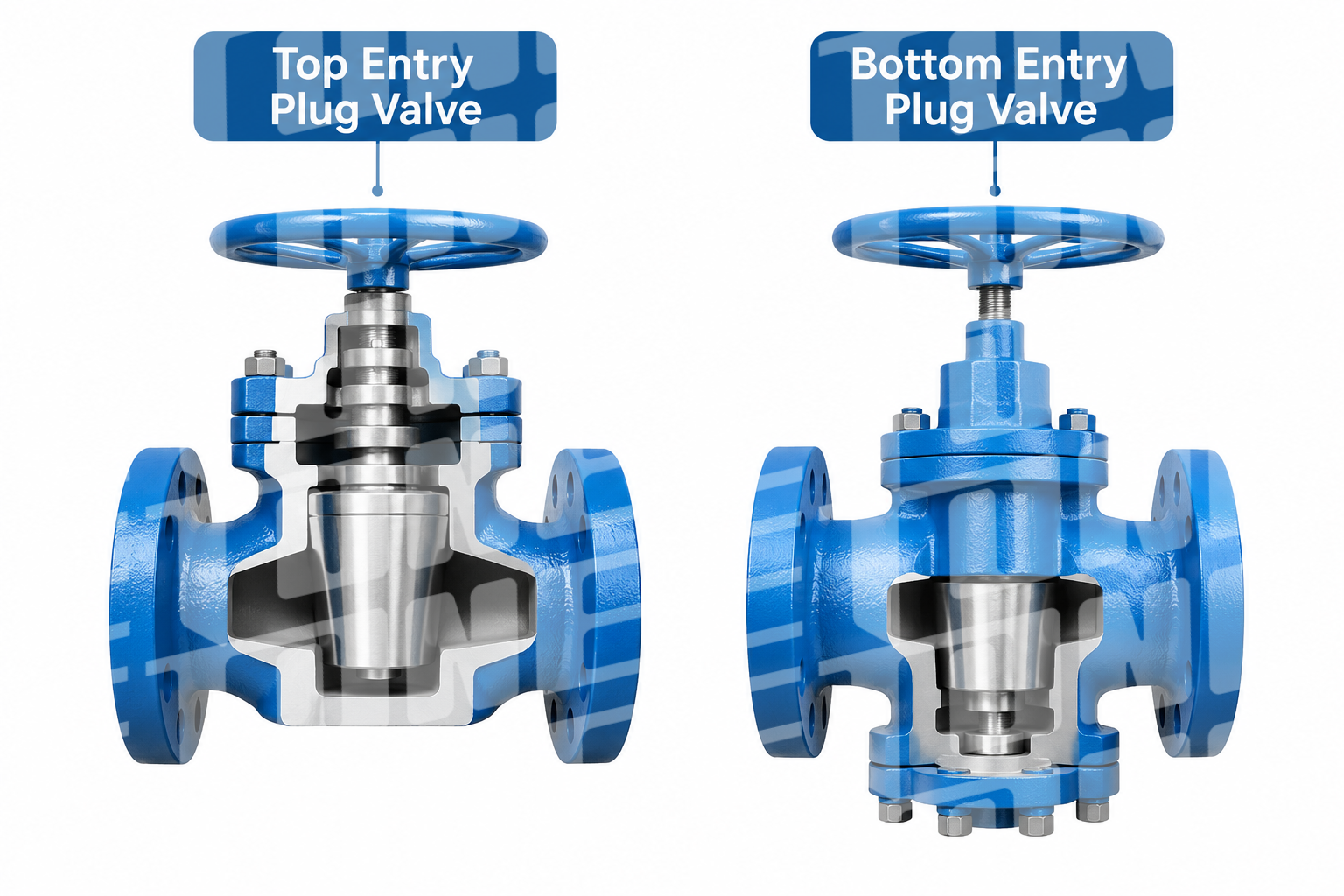
– Plug Valve Repair Kits
– Flapper Check Valve Repair Kits
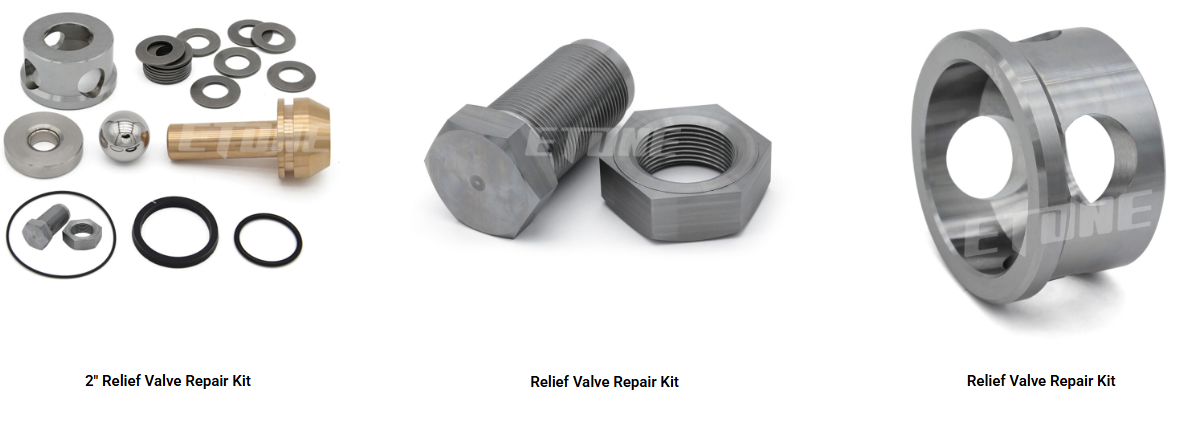
– Relief Valve Repair Kits
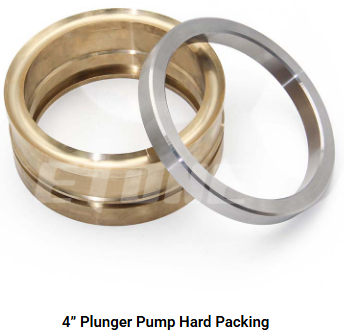
– Plunger Pump Packing
Precision Manufacturing Capabilities
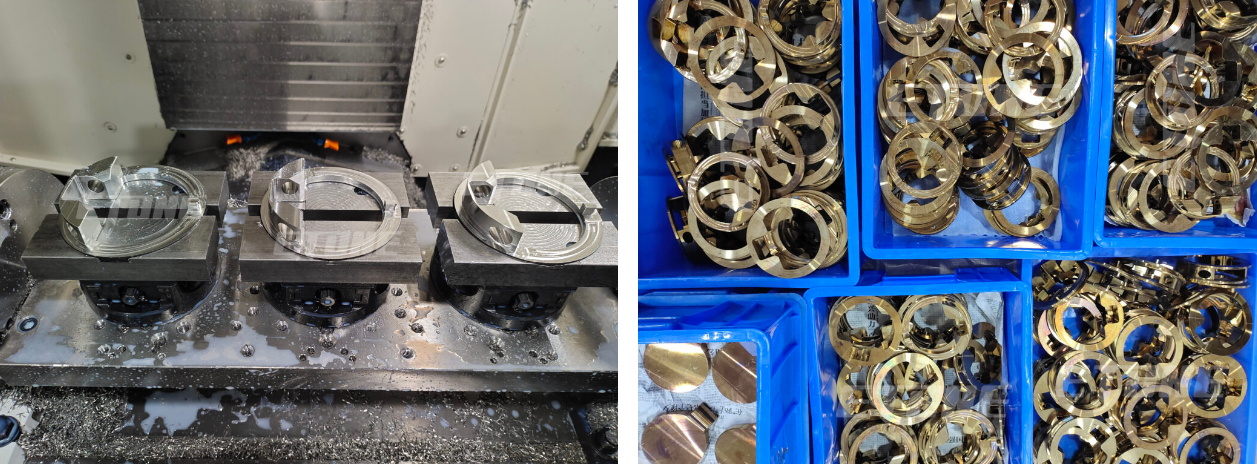
Etone delivers CNC machining, CNC turning, CNC milling, and other precision fabrication services. We offer custom oilfield components manufactured in accordance with customer drawings, samples, dimensional data, and technical requirements.
Engineering Material Options
material processing portfolio includes AISI 4140 AISI 4340 SUS304, SUS316, PH tungsten carbide, MP35N and other engineering alloys. Material qualification and material selection may be evaluated in line with service application and component design criteria.
Quality Management
Etone is certified to ISO 9001:2015. Iatf 16949:2016 quality standards. Etone controls production and inspection closely to guarantee dimensions, stable material quality, and consistent output.
From choke beans to custom high-pressure oilfield valve parts, Etone provides trustworthy manufacturing services and one-stop oilfield spare part solutions.
8. Contact Etone for Custom Oilfield Choke Parts
Looking for a Choke Beans Manufacturer or Oilfield Choke Valve Parts Supplier?
Dongguan Etone Technology Co., Ltd. offers precision-machined oilfield components, including tungsten carbide choke beans and silicon carbide choke beans. We also supply customized parts for tough drilling and production environments.
We can help with choke beans, replacement valve parts, or CNC-machined metal components tailored to your needs.
Send us your drawings, samples, or technical specifications. We’ll review your project. Provide a quotation. Let’s work together to meet your requirements.
Website: https://etoneoil.com/
Tel: +86 135 3728 5097
Contact Etone today for reliable choke beans and customized oilfield spare parts solutions!