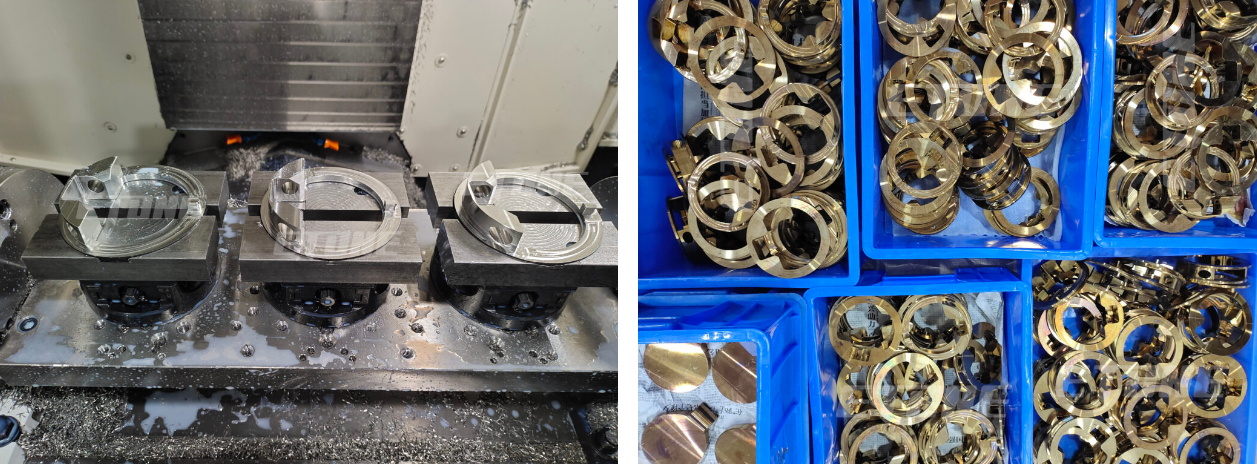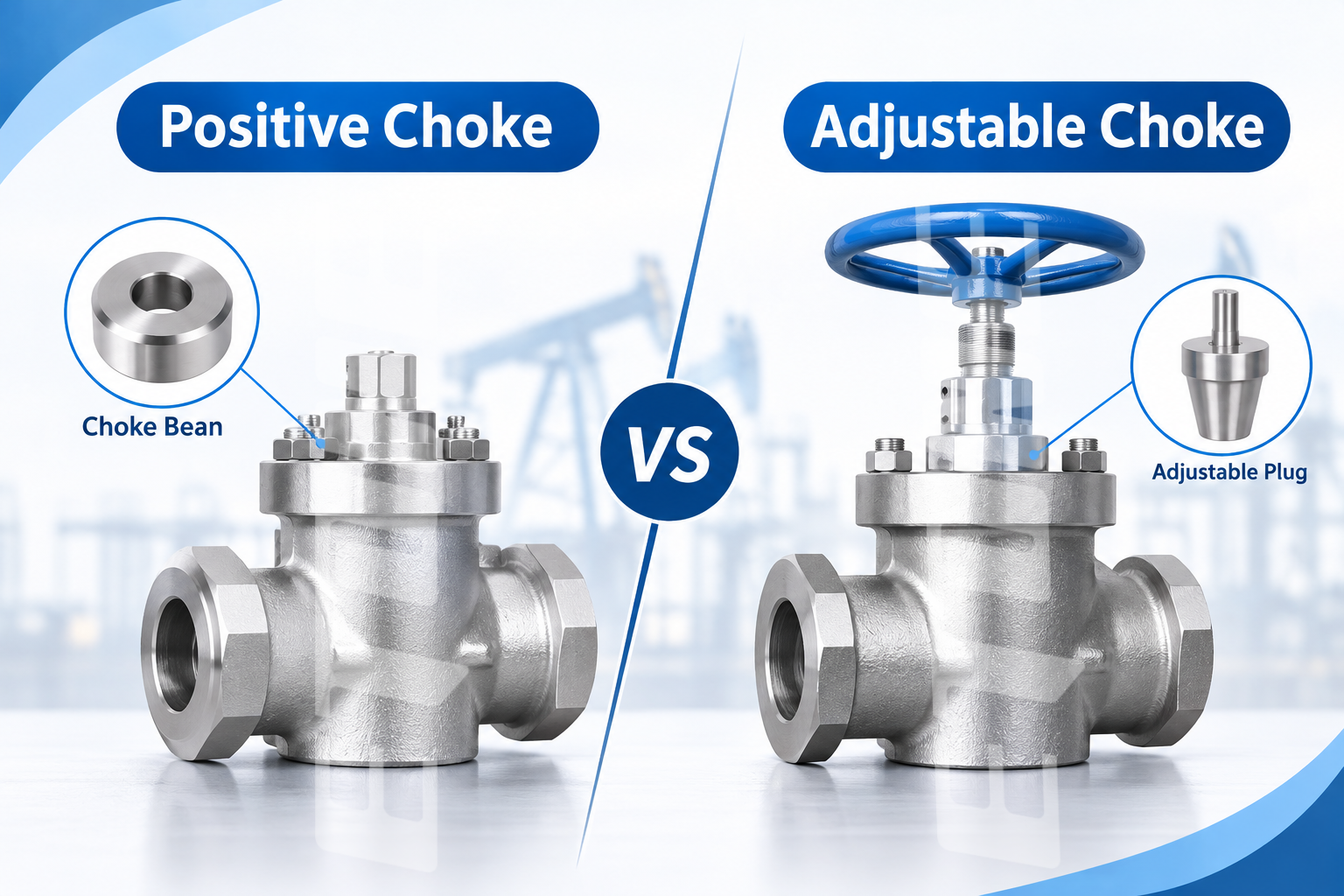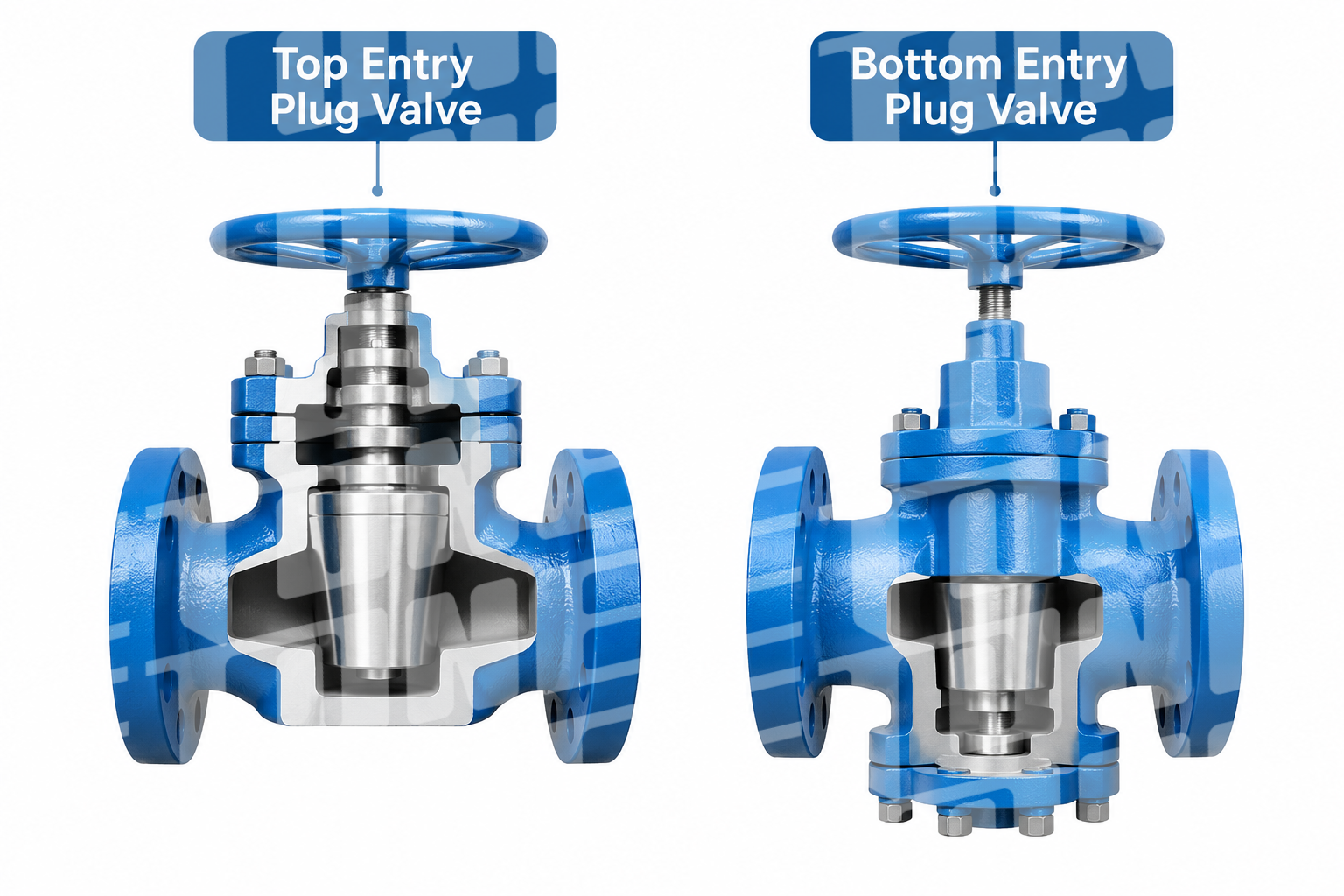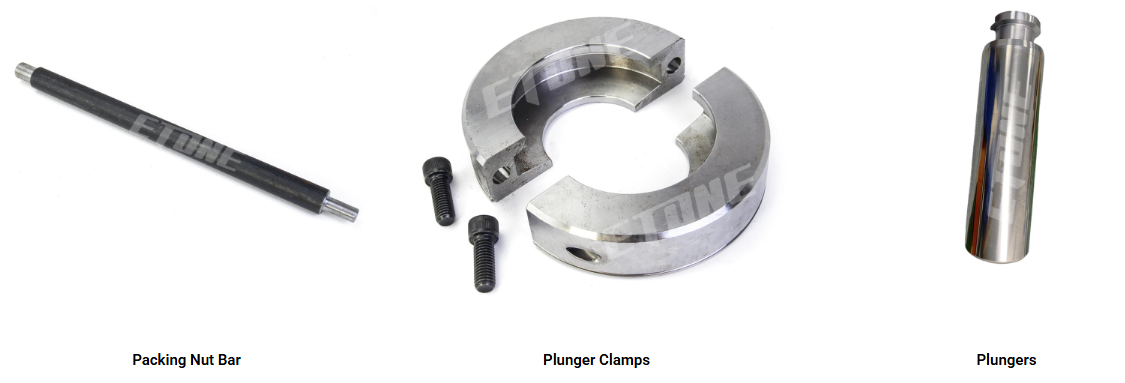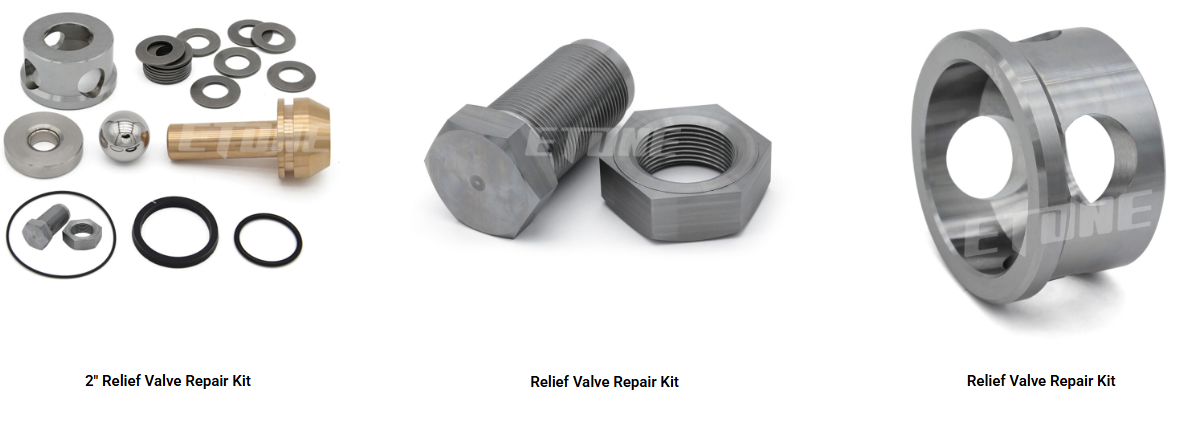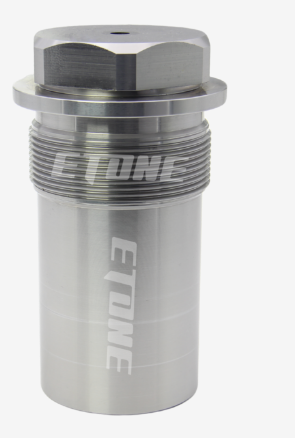
For oilfield applications, replacement components cannot merely fit into assemblies. Compliance with dimensional specifications, proper material selection, and consistent, reliable performance under field service conditions are all mandatory. Tiny errors on sealing surfaces or unapproved material replacements could cause assembly problems and cut the operational life of vital equipment.
For customers who are buying plug valve repair kits, flapper check valve repair kits, choke valve parts, relief valve repair kits, and plunger pump packing, quality checks must be done before approving the order. Knowing about verification and material traceability helps with evaluating suppliers, reduces buying risks, and makes sure that the equipment keeps working properly.
1. Why Quality Verification Starts Before Installation
Oilfield spare parts must handle pressure, stress, sharp particles, corrosive liquids, and many uses. That is why there are rules for sizes, material quality, and how parts are made.
Two main things need to be checked when buying replacement parts:
– Is the part in line with the engineering specifications?
– Can real papers prove where the material came from and how it was made?
Dimensional accuracy means the part has the allowed size differences and shape. Material traceability shows where the material came from, the grades of the material, and the production data that goes with the part.
A high‑pressure valve replacement part may look the same as the original. A wrong depth of a groove or the wrong size of a sealing part can stop the thing from working. Even a part that is made correctly is not useful if the material does not pass tests for strength and chemicals.
These checks help oilfield equipment makers, maintenance teams, and spare part suppliers find problems early, avoiding delays during installation, more work to fix things, and unexpected equipment stopping.
2. Checking Dimensional Accuracy in Oilfield Components
Engineering specifications, not how the part looks, control how dimensions are checked. Even parts that look the same cannot be assumed to replace parts.
2.1 Start With the Approved Drawing
The first step is to make sure suppliers understand the requirements. The main sizes, allowed differences, material types, and how the part works are all written in engineering drawings.
These documents can also cover the way threads are shaped, the texture of the surface, the way the material is treated, the way it is coated, and how the shape is measured.
Before making the part, buying and engineering teams make sure the part numbers, drawing versions, the basic sizes, the parts that connect, the thread details, the material standards, and the rules for checking are all correct.
Original equipment manufacturer part numbers and equipment model numbers are helpful. Cannot cover every change in design.
When buying custom oilfield parts, buyers must give the drawings and details about how the part will be used.
If samples are given, the important sizes and the approved design standards must be checked.
2.2 Match the Measuring Method to the Required Tolerance
Choose measurement tools that fit the needed accuracy to get results.
Digital calipers do checks. Micrometers give diameter and thickness. Bore gauges check diameters; thread gauges check thread shape and spacing; height gauges measure steps and heights.
CMMs record shapes while roughness and hardness testers check surface texture and hardness.
Tools must be accurate.
Have up-to-date calibration records for proof.
A full inspection report with the sizes, measured values, and allowed limits is more trustworthy than a statement from the supplier that all parts were checked.
2.3 Focus on Features That Affect Performance
Check the parts that control how the part works.
For plug valve repair kits, check the seals and O‑rings.
Check the parts that fit together as shown in the drawings.
For flapper check valve kits, check the flappers, the pins that move them, and the parts that seal.
For choke valve parts, check the stems, seats, and other parts to make sure they match the rules.
Do not assume parts from one model will work in another.
For relief valve kits, check the seals and springs.
Tests must follow the original equipment manufacturer rules.
For plunger pump packing, check the shape, size, and material to stop leaks, high friction, and early damage.
Custom check plans are needed for lists.
2.4 Understand Tolerance Limits
The basic size allows changes defined by the rules in the engineering drawings.
For a size marked 25.00 ±0.02 mm, the correct range is 24.98–25.02 mm.
Inspection reports should include the part number, the version of the drawing, the measured values, the tools used, and the date if it passed or failed.
For custom parts made for oilfield use, a first‑article inspection is advised before making parts.
Both sides agree on what to report and how many parts to check based on the risk of the part; checking some parts does not mean all parts are correct.
2.5 Check Surface. Geometric Features
Just meeting the size rules does not mean the parts will work well. Scratches, rough surfaces, oval shapes, and parts that do not line up can damage the way precise valve parts operate. Visual checks can spot burrs, rust, and machine flaws. Actual use demands checks of the surface texture and shape. Buyers must identify which parts are critical and set rules on the drawings. This helps the makers know what parts to control and what parts to examine at the stage.
3. Establishing Material Traceability for Oilfield Spare Parts
Inspection confirms whether parts meet geometric requirements while material traceability validates the identity and authenticity of raw materials. This distinction is critical when sourcing alloy steel, stainless steel, pressure‑containing valve components and custom oilfield spare parts.
3.1 Verify the Specified Material Grade
Purchase orders and technical documents must clearly define requirements. Generic descriptions such as ” steel” are insufficient when specific grades, heat treatment or mechanical properties are required. Typical oilfield spare parts materials include 4140, 4340 alloy steel, 304/316 and 17‑4 PH stainless steel, plus engineering polymers and elastomers used for sealing and packing. For service with hydrogen sulfide, material grade, hardness and heat treatment must follow the relevant standards; a material name alone cannot confirm sour‑service suitability.
3.2 Review Material Test Certificates
Material test certificates provide documented proof of raw material quality, listing grade, mill source, heat number, chemical composition and mechanical properties. Metallic parts often use EN 10204 Type 3.1 certificates. Buyers must cross‑check certificate data against purchase specifications. Ensure records match the actual supplied parts.
3.3 Link Material Certificates to Finished Components
Traceability creates a clear trail from raw stock to finished parts, covering material certificates, heat batches, production orders, heat treatment, inspection and shipping documents. Mixing batches or removing material marks breaks traceability. Suppliers must explain their complete process tracking system rather than offering vague traceability commitments.
3.4 Understand Positive Material Identification (PMI)
PMI verifies alloy composition and catches material mix‑ups. It cannot fully test tensile strength, hardness or sour‑service compliance. PMI should be integrated into a pre‑agreed verification plan with defined methods, sampling rules and acceptance standards.
3.5 Maintain Traceability Throughout Production
Once raw bars are cut and processed, marking the material becomes more difficult. Manufacturers use batch codes, traveler documents, or approved marking methods to avoid damage to surfaces. Complete traceability also simplifies repeat orders and part replacement.
4. Etone: Custom Manufacturing for Oilfield Spare Parts
Dongguan Etone Technology Co., Ltd. specializes in the development and manufacturing of precision metal components and repair kits for oilfield drilling equipment.
Our product range includes:
Flapper Check Valve Repair Kits
Other customized oilfield spare parts
We work with customers on projects involving specified components, material requirements, drawings, and application conditions. Clear technical information allows the manufacturing and inspection requirements to be reviewed before production.
If you are sourcing custom oilfield spare parts, prepare the following information when requesting a quotation:
Component name, part number, or engineering drawing
Required material grade and processing condition
Critical dimensions and tolerances
Equipment model and operating environment
Order quantity and expected delivery requirements
Required certificates, inspection reports, and acceptance criteria
Providing these details at the quotation stage helps reduce technical misunderstandings and supports a more efficient purchasing process.
Contact Etone for Your Oilfield Spare Parts Requirements
Tel: +86 135 3728 5097
Whether you need plug valve repair kits, flapper check valve repair kits, choke valve parts, relief valve repair kits, or plunger pump packing, our team can review your project information and discuss suitable manufacturing arrangements.
Contact Etone to submit your specifications and request a quotation for customized oilfield spare parts.