High-pressure oilfield services frequently employ plug valves to direct flow and isolate portions of flowline systems. Drill pipes, cementing units, hydraulic fracturing units, and other well-service equipment operate under the harshest conditions and most severe levels of pressure, often surrounded by highly abrasive, corrosive fluids.
One of the most significant advantages of a lubricated plug valve is injection. It is the feature of injecting a lubricating or sealing substance into the primary sealing surfaces to minimize friction, improve the sealability, and protect the valve’s internal surfaces.
Provided the plug valve grease injection system is working, you should be able to increase your valve reliability, decrease its torque, and increase the time between your scheduled maintenance. The plug valve grease injection system can fail, however, when the injection paths plug up, or you have defective grease fittings or the wrong sealants.
Learn how the plug valve grease injection system works, the important accessories that are included with these systems, the typical issues that arise, and the kind of oilfield grease fittings and plug valve repair kit that you require.
1. What Is a Plug Valve Grease Injection System?
A plug valve grease injection system is a system for injecting a lubricant or sealant into selected passages in a plug valve.
Inserted material flows to the interface between the plug and the valve body. The pressure of flow depends on the internal structure of the valve.
This grease has an array of functions:
Sealing Protection: Helps fill in small gaps and maintain a strong sealing barrier.
Reduces the contact area and coefficient of friction between the inner movable and sealing surfaces.
Removes Wear: Minimizes wear from the continual cycle of the valve.
Corrosion protection: Prevents contact of the moving metallic parts with moisture and certain corrosive media – depending on the grease.
Operational Reliability: May facilitate operation of a valve to be easier and require less operating torque.
In high-pressure oilfield plug valves, grease injection is most important to the body chamber as the sealing surfaces inside are under extremely high pressure and a fluid environment.
2. Essential Parts of a Plug Valve Grease Injection System
A complete working plug valve with grease injection system consists of the following number of working pieces which provide lubricant/sealant in a safe and secure way.
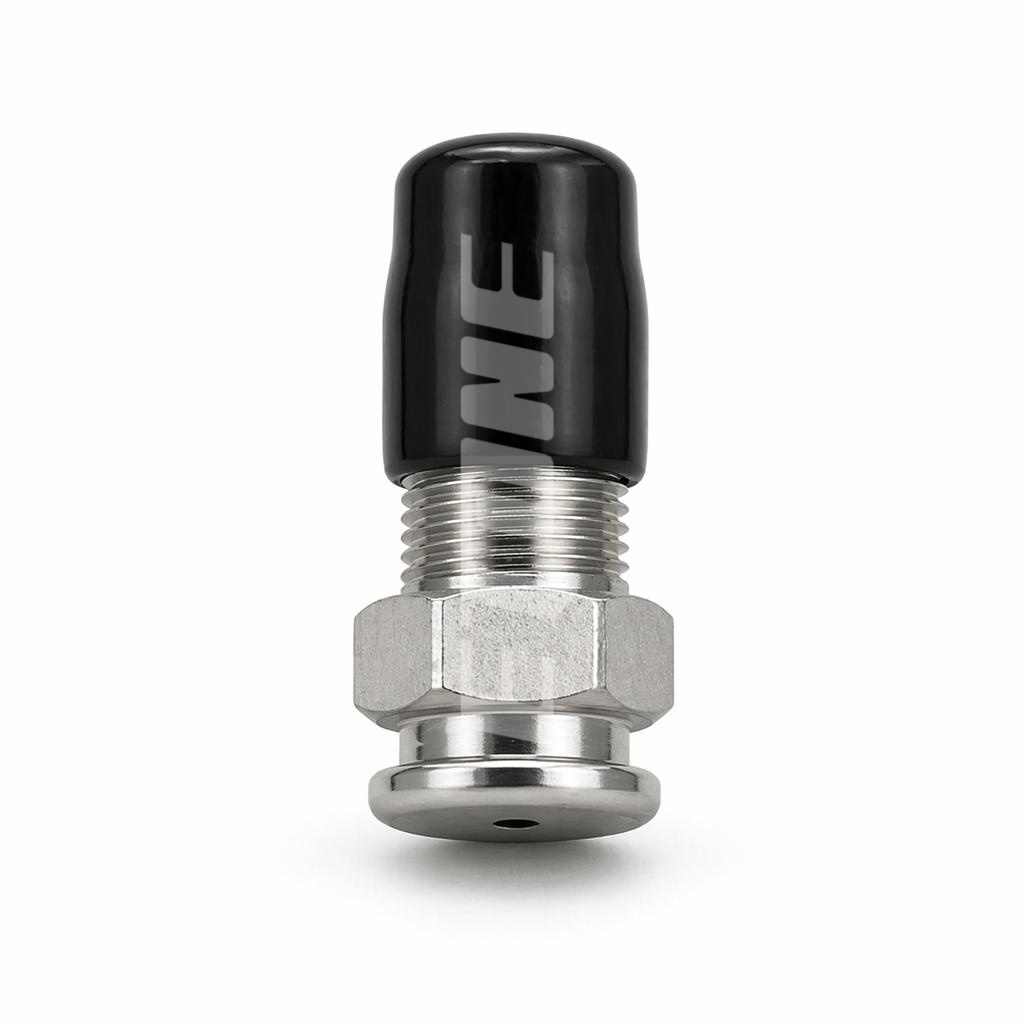
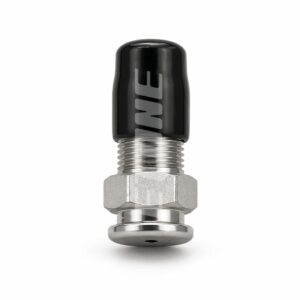
The grease injection fitting is used to couple the grease guns with the plug valve and is used to prevent reverse leakage. There are various grease injection fitting types offered by Etone Oil with 3/8-18 NPT, 3/4-16 UNF & others in 304 SS, 316 SS, zinc-plated AISI 4140 to meet the different valve types.
This set screw contains a double ball on the inside to prevent grease from flowing backwards and to keep leaks at bay. Developed to handle oilfield working pressure from 10,000 PSI to 15,000 PSI.
Bleeder Groove- Relieves residual pressure when using 3/4-16 UNF fittings. Provides a pressure relief path to bleed residual pressure that can be trapped when breaking the fitting.
These passages deliver the grease to the contact surface of the plug on the sealing point of contact with the valve body. Since these passages are subject to trapping of clay or dirt and solidified grease, check often.
3. How Does a Plug Valve Grease Injection System Work?
This sequence of grease injection is the process by which is employed to the seal and lubricate plug valves.
Step 1: Prepare the grease gun: Use a matching high-pressure grease gun and attach it to the grease injection fitting. Confirm that mating is correct to avoid any leaks once you start injecting grease using high pressure.
Step 2: Apply recommended Grease or Sealant: Insert the appropriate type of sealant/grease by forcing the fitting into the internal bores. The selection of sealant/grease is dependent on the valve design, temperature, and line fluid.
Step3:Spread the grease: grease goes down the passageways inside the plug to sealing locations, refreshing the seal film and minimizing the plug turning friction.
After the injection, the mechanic checks the valve function and whether any leaks or torque are excessive. Follow the valve manufacturer’s specifications for the valve position and the amount of grease used.
4. Why Is Grease Injection Important for Flowline Protection?
Injecting grease into the plug valve grease injection not only lubricates but also protects the flowlines’ overall flowline reliability.
When a high-pressure medium (such as sand, chemicals, abrasive particles) is used, leakage can also occur inside the valve if the sealing surface is damaged. The use of a correct sealing agent can bring the sealing surface into contact and minimize the occurrence of leakage.
If the valve is not easily operated due to a lack of lubricant, the friction between the plug and valve body will be too large, which makes the torque during the operation of the valve too large and the operation hard. You can inject grease regularly and keep the valve easily operated.
Moisture, chemical agents, differential pressure, and abrasive impurities inside the valve can cause corrosion and mechanical erosion of the valve.
5. Typical Defects in Plug Valve Grease Injection System
Troubleshooting plug valve grease injection systems can be difficult after years of operation. To troubleshoot the causes of failure, it is better to replace the unnecessary parts.
The grease will not get through to the valve: Blocked-in fitting or injection passage.
Leaking grease at fitting: Worn ball checks or sealing surfaces; replace grease fitting.
Too much injection pressure; reset cured grease or clogged; check whether it is smooth or not.
Constant leakage: Broken internal seals/mismatched grease; check the seal components.
Grease segregation: passages inside blocked and defective: check injection.
Don’tever exceed pressures blindly – it may damage parts. Do not attempt to hold high pressure. This must be done by a trained technician after the system is isolated and vented.
6. How to select the right plug valve grease fitting
Consistent grease delivery and flowline protection are only effective with a correct grease fitting. Consider these important aspects when choosing:
Thread type: Verify thread compatibility; you may select between 3/8-18 NPT tapered thread and 3/4-16 UNF straight thread, which are widely used and should be compatible with the valve injection port.
Material: High durability with AISI 4140; regular corrosion resistance with SS304; SS316 more applicable to worse working conditions of corrosion.
Pressure rating: Choose fittings that are pressure rated for the system’s operating pressure. Etone Oil offers a variety of fitting options for high-pressure (10,000-15,000 PSI) oilfield services.
Safety features: Double ball check and bleeder groove prevent backflow, safely vent remaining pressure as you take apart the components.
Surface treatment: It can be used as treated or as zinc and zinc-plated. The surface treatment is selected according to on-the-spot performance of corrosion protection.
7. Reasons to use Etone Oil for Plug Valve Grease Fittings and Repair Kits:
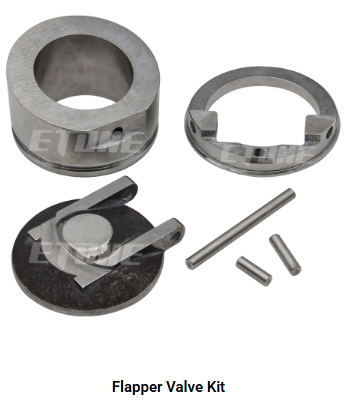
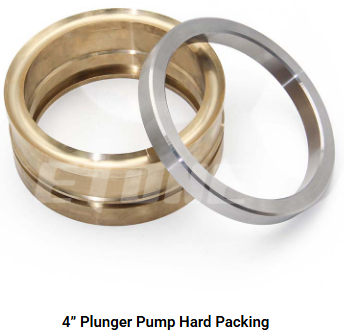
Dongguan Etone Technology specializes in manufacturing, processing, and customizing precision metal parts and repair kits for oil field drilling equipment. Products include plug valve grease fittings, plug valve repair kits, flapper check valve repair kits, choke valve parts, relief valve repair kits, plunger pump packing, and other oilfield spare parts.
Plug valve grease fitting: Variations include high-pressure service in several configurations. Thread options are 3/8-18 NPT and 3/4-16 UNF, with material choices of AISI 4140, SS304 and SS316. Double ball check design is featured on these fittings, and bleeder grooves are available on some sizes. They can be zinc-plated or furnished in bare finish, and other thread types and materials can be designed.
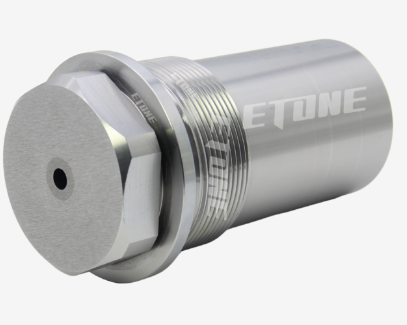
Plug valve repair kits: The firm offers 1-in, 2-in and 3-in bottom-entry repair kits and top-entry repair kits designed for oilfield pressure and temperatures. Some variants can withstand working pressure of up to 15,000 PSI with Fig.1502 connections using AISI 4140, PEEK, HNBR and other materials.
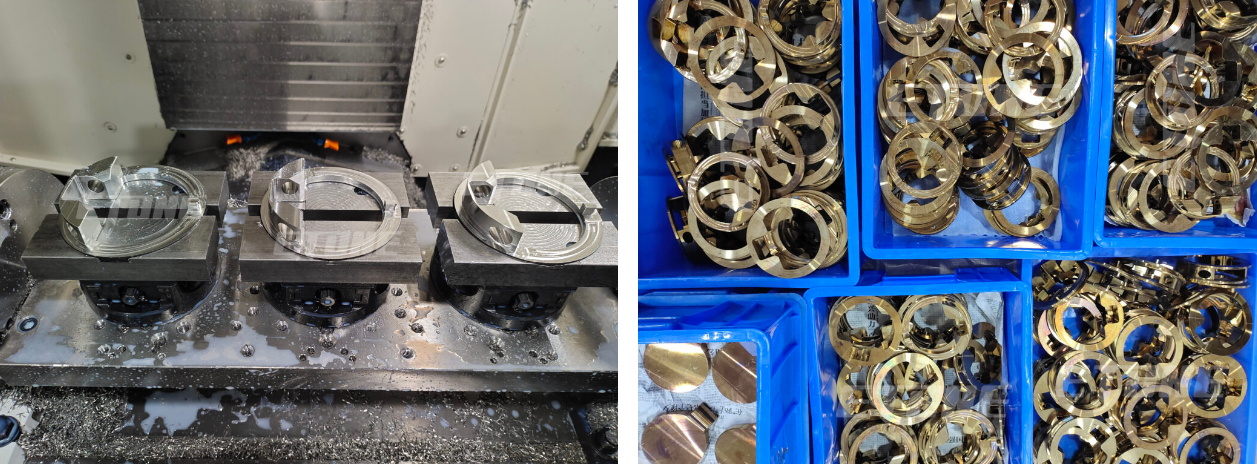
Etone has CNC turning, milling, Swiss machining, and 5-axis machining capabilities as well as packaging and assembly services to produce accurate CNC machined parts.
Contact Etone Oil
Looking for a reliable Plug Valve Grease Fitting Manufacturer and Oilfield Spare Parts Supplier?
Dongguan Etone Technology Co., Ltd. provides precision-engineered grease fittings, plug valve repair kits, pump parts, and customized oilfield components for global customers.
Website: https://etoneoil.com/
Phone / WhatsApp: +86 135 3728 5097
Send us your drawings, samples, or technical requirements today. Contact Etone Oil for customized grease fittings, plug valve repair kits, and reliable oilfield spare parts solutions.