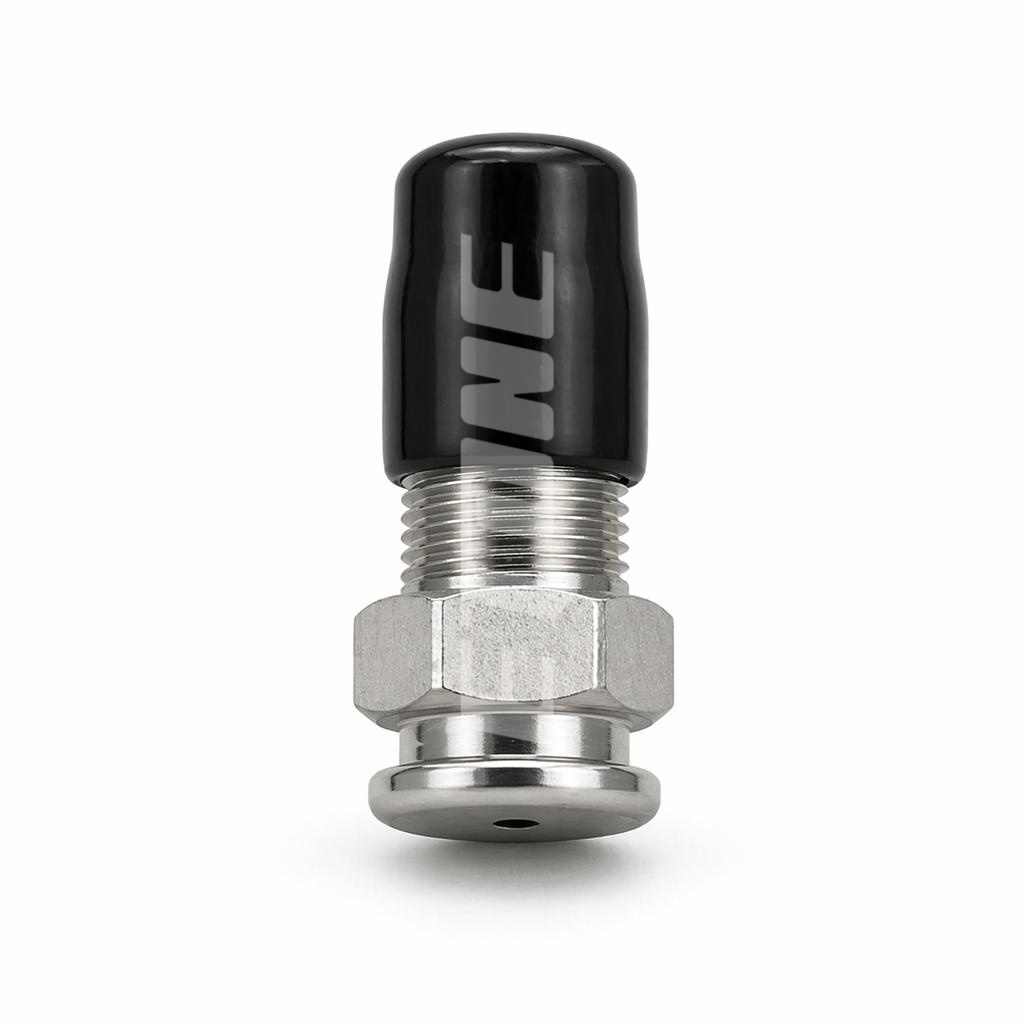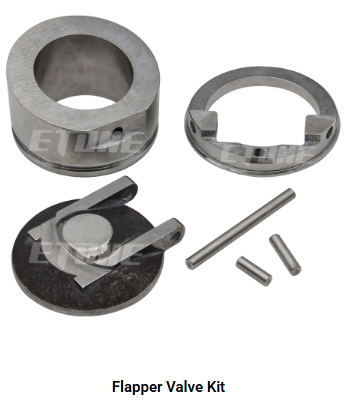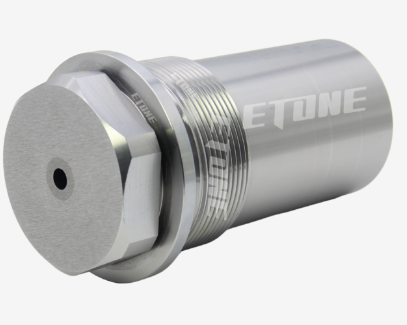
Flow control you can trust for oilfield applications. Fluid flow control in the harshest environment of the oilfield is critical and dependable to ensure that well equipment operates and is safe. Flapper check valves find use in the oilfield, most notably in drilling, cementing, hydraulic fracturing, and well-servicing.
The Flapper check valve is a mechanically operated valve that is self-activated. A head of fluid from the preceding check valve energizes the flapper, which will open and discharge the fluid. When the pressure of forward flow decreases to less than the pressure at the starting point or upstream to the check valve, or reverse pressure increases, the flapper drops to the seat of the valve and seals it.
However, all flapper check valves are not the same. In particular, the design and construction of a flapper check valve (flapper design, hinge geometry, open angle, seat type, material selection, flow path in the body) can greatly influence opening characteristics and flow capacity.
For oilfield operators and equipment manufacturers, these considerations are helpful to know in choosing high-pressure check valve parts or buying a replacement flapper check valve repair kit.
1. How Does a Flapper Check Valve Work?
A flapper check valve is a type of non-return valve that allows flow in one direction but precludes flow in the other.
It primarily relies on the pressure differential.
Flow forward: Where the pressure in the upstream port overcomes the pressure in the downstream port by an amount required to open the flapper with the force applied to it, it urges the flapper to open against the hinge pin.
In the event the flapper “flies” open in response to the flow, as the flapper moves away from the seat, there will be more flow area, and fluid will bypass the valve.
When forward flow drops, the force that keeps the flapper open becomes weaker, and the flapper begins to close.
Reverse Flow Prevention: When pressure downstream of the station exceeds upstream pressure, this creates a reverse differential pressure that holds the flapper firmly against the seat to prevent backflow.
The flapper check valve’s automatic operating feature lends itself well to high-pressure oilfield flowline systems that can be compromised by reverse flow.
2. Key Design Factors Affecting Flapper Check Valve Opening Response
The opening response defines how fast and at what rate the flapper will move from fully closed to its maximum open state when fluid first passes through. It depends upon several factors:
2.1 Flapper Mass and Profile
As above, these two characteristics will have the greatest effect on flapper behavior. A larger mass will require greater actuating energy and hence will take longer to open, particularly for reduced flows. Obviously this cannot be decreased indefinitely as the flapper needs sufficient thickness to maintain its structural integrity at design pressures. Therefore, an optimum balance must be struck between flapper thickness, weight, center of gravity and rotational inertia about the hinge axis, ability to withstand applied pressure, contact geometry and expected lifespan.
2.2 Hinge Pin Tolerances and Construction
The hinge pin dictates the direction in which the flapper can rotate. Depending on the manufacturing tolerances, surface quality, interference or loose fit, and material(s), the flapper should ideally rotate freely. Excessively tight fits will impede opening and closing rates, whereas excessive play will cause the flapper to ‘rattle’ on each stroke and make poor contact with its seat. Pins (and corresponding bushes) manufactured to close tolerances and resistant to wear and corrosion are fitted to critical oil industry applications.
2.3 Degree of Openness
This parameter controls the extent to which the flapper can rotate. Clearly, reducing the degree of openness will limit the available flow area, increasing the resulting pressure drop across the device. Conversely, increasing it may overstress the flapper-hinge interface. Hence, the travel limiter should be selected based on the body geometry, required flow, and system pressure.
2.4 The Spring Force and Closing Device
A few flapper check valves have additional closing springs. Excessive spring force will enhance the opening resistance and negatively affect low flow performance; insufficient spring force will lead to slow closing time and poor anti-backflow effect. The spring parameters should match the flapper weight and the actual conditions on site.
3. Design Factors That Influence Flow Efficiency
Flow efficiency quantifies how well a valve transmits fluid with the lowest possible amount of resistance and pressure loss. If there is too much flow resistance within an oilfield system operating at high pressures, it can hinder pumping efficiency, cause pressure instability, and compromise system operation.
3.1 Internal Flow Passage Design
Flow is regulated through the internal channel after the flapper is opened. Clogged or poorly constructed passages resulting in regions of high velocity and turbulence cause further pressure drops. Engineers analyze passage diameter, placement of flow path, opening clearance of flapper, surrounding shape of valve body, internal finish of surface to minimize flow constraints, which results in a robust design for high working pressure.
3.2 Flapper and Seat Geometry
Principle of sealing: metering 2.90° Flapper and seat produce the main seal faces. The profile of the flapper and seat affects good reliability and flow path area. The flow channel is reduced by the seat being ill-designed or the flapper not having enough travel, and by the contact surfaces mismatching, leading to leaks when the valve is closed.
3.3 Valve Size and Connection Design
The pipelines are 3 inches, but the opening of the flappers is not enough to pass through well. Again, the matching end connections are also crucial. Sudden changes in diameters of couplings or unmatched end connection sizes can cause flow restrictions. For example: In the oilfield, commonly used flapper check valves are 3 inches, having Fig. 1502 hammer union connections for well service lines.
4. How Material Selection Affects Valve Performance
Flapper check valves endure harsh operating conditions including high pressure, cyclic motion, abrasive solids, and corrosive media. Material choice directly determines component strength, wear and corrosion resistance, as well as overall service lifespan.
AISI 4140 for strength and toughness, AISI 4340 for better fatigue resistance in severely stressed internals. For basic corrosion protection, use SUS304; for more aggressive corrosive fluid conditions, use SUS316. For flappers, seats, and precision sealing components that are exposed to high stress, use PH174 to achieve excellent heat treatment properties for hardness and strength. Use Inconel alloy castings for severe service at high temperature and in corrosive environments.
Final material grade is determined by operating pressure, temperature, fluid chemistry, and flow loads. In addition to material selection, heat treatment and surface finishing can be used to stabilize mechanical properties and provide a predictable performance for your valve.
5. Common Problems Caused by Poor Flapper Check Valve Design
Poor design or poor manufacturing can prevent the opening response and flow efficiency, which leads to normal failures in oilfield service.
Slow opening response: Typically due to very heavy flappers, high hinge friction, too little differential pressure, or improper spring force.
Small opening angles, small size internal flow passages or offset flappers. The original manufacturing date and model number are located on the back of the air filter.
Seat Leakage: Damaged sealing surfaces, dimensional errors, and contaminant entrapment do not allow the valve to fully close.
Hinge Pin Wear: When a flapper is opened and closed repeatedly, hinge pins and other components wear out, resulting in a poor seal and excessive movement.
Erosion and Corrosion: Rapid flow, damaging particles, and aggressive media wear out parts and cut component life.
By inspecting regularly and replacing parts as needed using a compatible check valve repair kit, unplanned downtime can be prevented.
6. How to Select the Right Flapper Check Valve Repair Kit
Choosing a suitable repair kit isn’t just a matter of selecting the correct outer dimensions. Oilfield buyers should check other technical factors too.
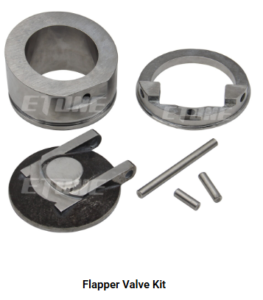
Ensure the valve model, e.g., FMC, SPM, FV, F Style or TSI Style, nominal size, and internal dimensions. Verify the working pressure rating and the connection type, for example: Fig.1502 hammer unions. Select the materials, whether alloy or stainless steel, for service and ensure the flappers, seats, hinge pins, bushings and fasteners are suitable for use.
Machining accuracy, heat treatment and inspection requirements should also be considered. The suppliers will be able to verify the replacement kit using drawings, samples, model numbers and specifications.
7. Etone Oil: Precision Flapper Check Valve Repair Kit Manufacturer
Dongguan Etone Technology Co., Ltd. is committed to the R & D, customization, and production of precision metal parts and service kits for oil field drilling machinery. Our flapper check valve repair kits are suitable for various high-pressure well service conditions and different types of valve structures. We have 3 “FMC, SPM, FV, F Style, and TSI Style kits and Forum check valve spare parts, and some F Style 3 “are allowed to reach up to 15000 PSI and equipped with Fig. 1502 hammer union connection according to the requirements.
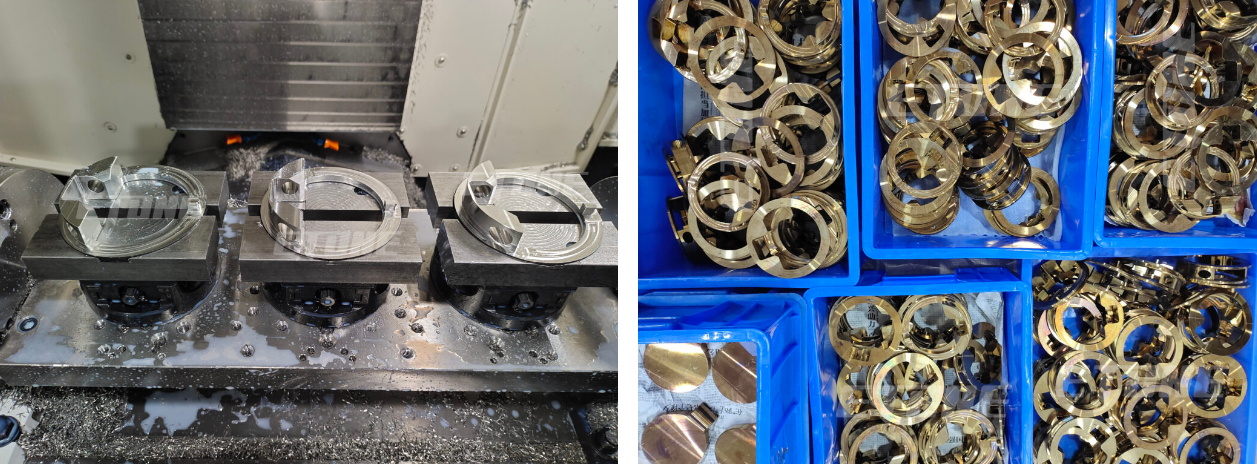
Using CNC turning, milling, Swiss machining, and 5-axis machining, we manufacture flapper plates, seats, hinge pins, back seat bushings, fasteners, and custom valve spares. Work is carried out in processable materials such as AISI 4140, AISI 4340, SUS304, SUS316, 17-4 PH, and special alloys, with precision machining and heat treatment completed as needed. We are ISO 9001:2015 and IATF 16949:2016 certified, and our in-house laboratory can perform a complete process of quality inspection.
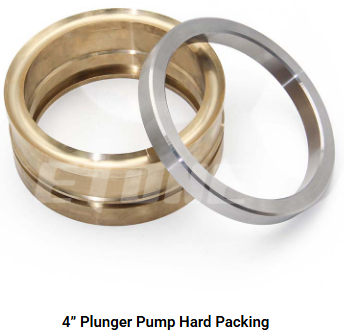
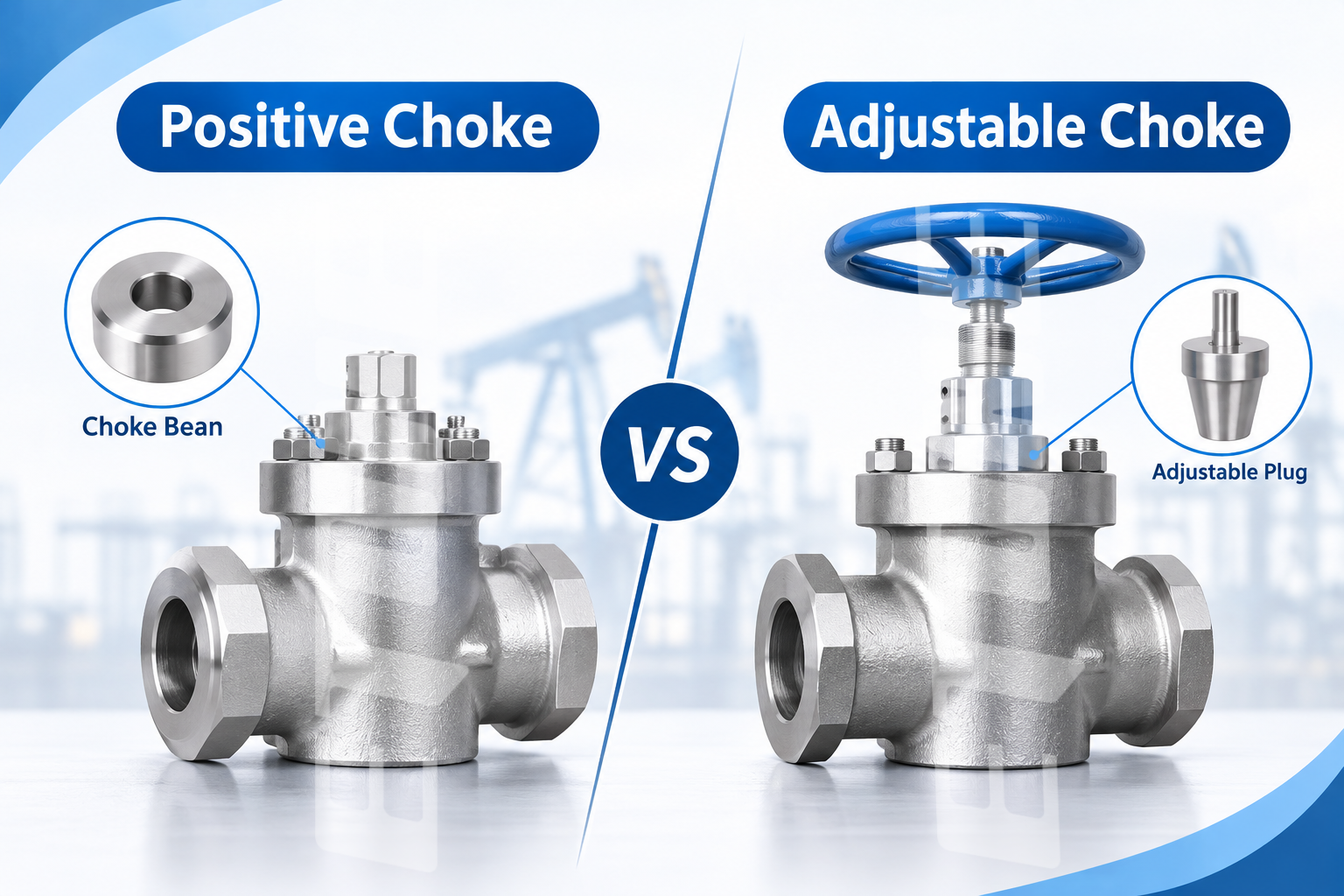
We offer other products such as plug valve repair kits, choke valve components, relief valve kits, and plunger pump packing. Aside from flapper check valve kits, we cater to oilfield service companies, equipment distributors, and maintenance contractors – all of whom can order from drawings, samples, and tech data sheets.
Contact Etone Oil
Looking for a professional Flapper Check Valve Repair Kit Manufacturer?
Dongguan Etone Technology Co., Ltd. provides precision-machined oilfield valve parts, pump components, and customized repair kits for global oilfield service companies and equipment distributors.
Website: https://etoneoil.com/
Phone / WhatsApp: +86 135 3728 5097
Send us your drawings, samples, or technical requirements today. Contact Etone Oil for reliable oilfield spare parts and customized manufacturing solutions.