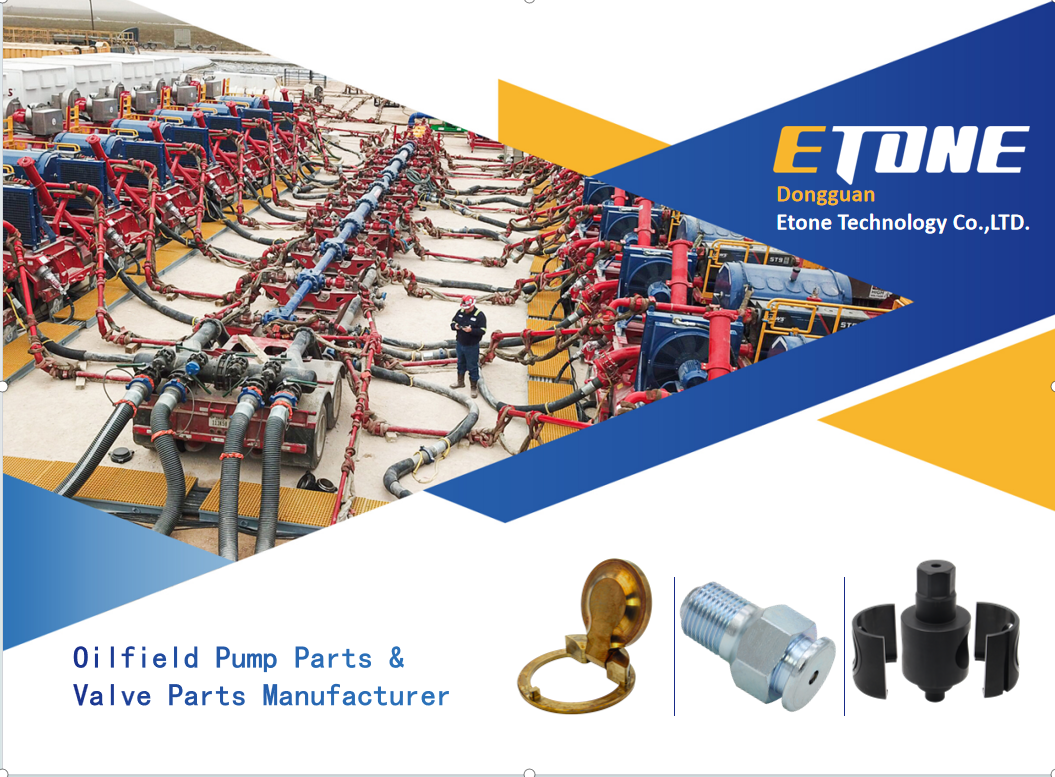
Within oil‑field operations, wellhead choke valves operate under extreme service conditions imposed by crude‑oil production. The choke bean serves as a compact yet mission‑critical element inside each choke valve assembly.
Working in environments where pressure’s often higher than 10,000 PSI, and fluid moves quickly, sometimes hundreds of feet each second, choke beans control how much flow comes from the wellhead and manage the drop in pressure. This helps protect the separators that come after them from pressure spikes. Normal metal parts wear out quickly. A lot of damage happens because of sand from the formation, proppants made of silica, gases like H₂S and CO₂ that cause corrosion, and strong fluid movement inside the small choke opening. To make sure things work properly in these conditions, oilfield workers and valve engineers depend a lot on strong materials, like technical ceramics and hard metal alloys. These include tungsten carbide and silicon carbide.
At Etone Technology, we manufacture and supply precision-engineered oilfield replacement parts and choke valve components designed specifically to withstand erosion in demanding operating environments.
1. What Is a Choke Bean and Why Does Material Selection Matter?
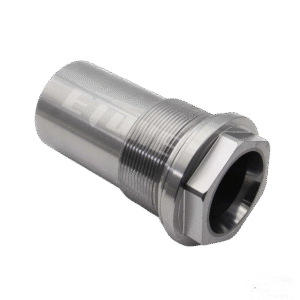
A choke bean is a high‑precision proprietary insert installed within fixed or adjustable choke valve housings. Built with an accurately calibrated inner orifice, it serves as the primary flow‑restricting element for wellhead production trees, choke manifolds and fracturing flowback assemblies.
The Physics of Choke Washout and Failure Modes
When wellbore fluids travel through the constricted choke‑bean orifice, the fluid’s pressure‑based potential energy rapidly converts into high‑velocity kinetic energy. This gives rise to several damaging failure mechanisms:
Solid Particle Erosion (SPE)
High‑velocity silica sand and ceramic proppant particles strike the orifice wall at sharp angles, gouging micro‑grooves and causing micro‑chipping to the base material.
Cavitation Erosion
When fluid pressure inside the orifice throat drops below vapor pressure, micro‑bubbles form and implode forcefully. Local shockwaves of over 100 000 PSI are produced, which fatigue and deteriorate the component’s internal surfaces.
Corrosive Degradation
Metallic binder phases suffer severe corrosion from acidic formation water loaded with dissolved H₂S, CO₂, and high‑salinity brines, which further aggravates damage caused by mechanical erosion.
Even slight orifice wear — as little as a fraction of one‑tenth of a millimeter — will give rise to oscillating well flow rates, errant reservoir performance, sand ingress and a heightened risk of lost well control. Selecting the proper insert material provides the most robust safeguard against choke washout.
2. Tungsten Carbide vs. Silicon Carbide: Material Comparison
The following table summarizes the main differences between the two materials.
| PerformanceFactor | Tungsten Carbide | Silicon Carbide |
| Material type | Cemented carbide composite | Advanced ceramic |
| Hardness | Very high | Very high |
| Impact resistance | Generally better, depending on grade |
More sensitive to impact and fracture |
| Compressivestrength | Generally excellent | High, but design-dependent |
| Corrosionresistance | Depends on binder and fluid chemistry | Excellent in many chemical environments |
| Thermalperformance | Good, depending on grade and conditions | Excellent high-temperature capability |
| Manufacturing | Powder metallurgy, sintering. precision grinding | Ceramic processing, sintering, precision finishing |
| Typicalconsideration | Binder corrosion and grade selection | Brittleness and fracture risk |
| Choke bean suitability | Abrasive, high-load applications | Specialized applications prioritizing ceramic wear or chemical properties |
These are typical material attributes instead of absolute performance ratings for any given choke bean. To arrive at a proper final choice, users must evaluate specific grades, part geometry, manufacturing procedures, and real‑world working circumstances.
3. Which Material Performs Better in Oilfield Choke Valves?
There is no one‑size‑fits‑all superior material for oilfield choke valves. The ideal choice is dictated by field operating conditions and the primary failure mode that needs to be prevented.
Opt for Tungsten Carbide under heavy abrasion and mechanical loads
Silicon carbide can operate amid heavy chemical corrosion and extreme thermal‑stress environments. It features superior high‑temperature stability and solid anti‑abrasion performance. Nonetheless, brittleness is an inherent weakness of this ceramic material, and high‑intensity particle impact will greatly aggravate this failure risk.
Analyze total service cost
Unit purchase price is not the sole benchmark for economic efficiency. Lower‑cost components often need frequent change‑outs, whereas premium‑priced inserts can deliver substantially longer service life when running within their proper operating envelope.
When comparing custom oilfield spare parts, consider:
Expected service life
Replacement frequency
Downtime and maintenance costs
Fluid erosion severity
Pressure and temperature
Installation requirements
Availability of replacement components
The most cost-effective choke valve is the one that reliably meets the operating requirements at an acceptable total lifecycle cost.
4. Custom Oilfield Choke Valve Parts from Etone
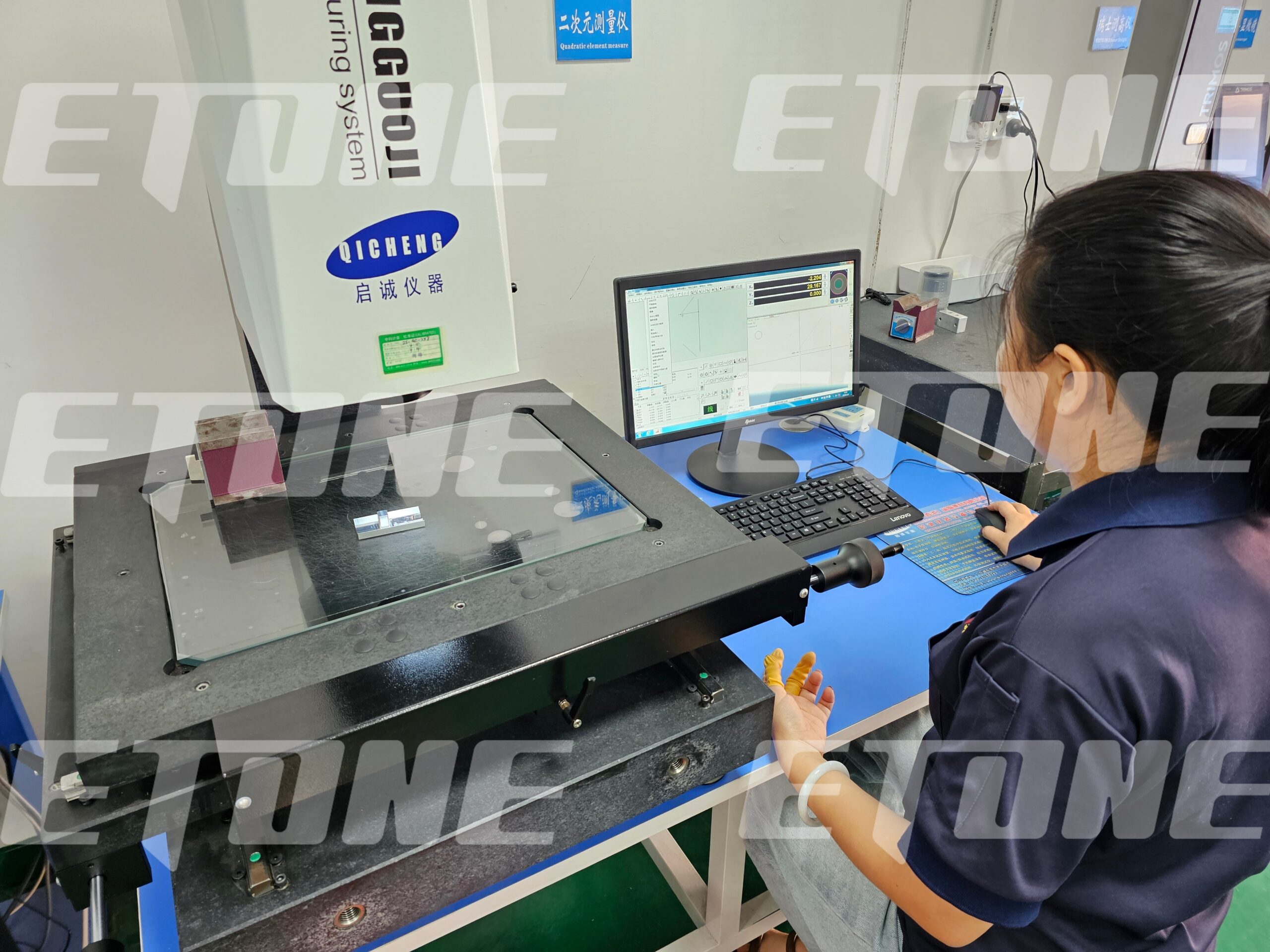
Dongguan Etone Technology Co., Ltd. specializes in the development, customization, and production of precision metal components and repair kits for oilfield drilling equipment.
Our product range includes:
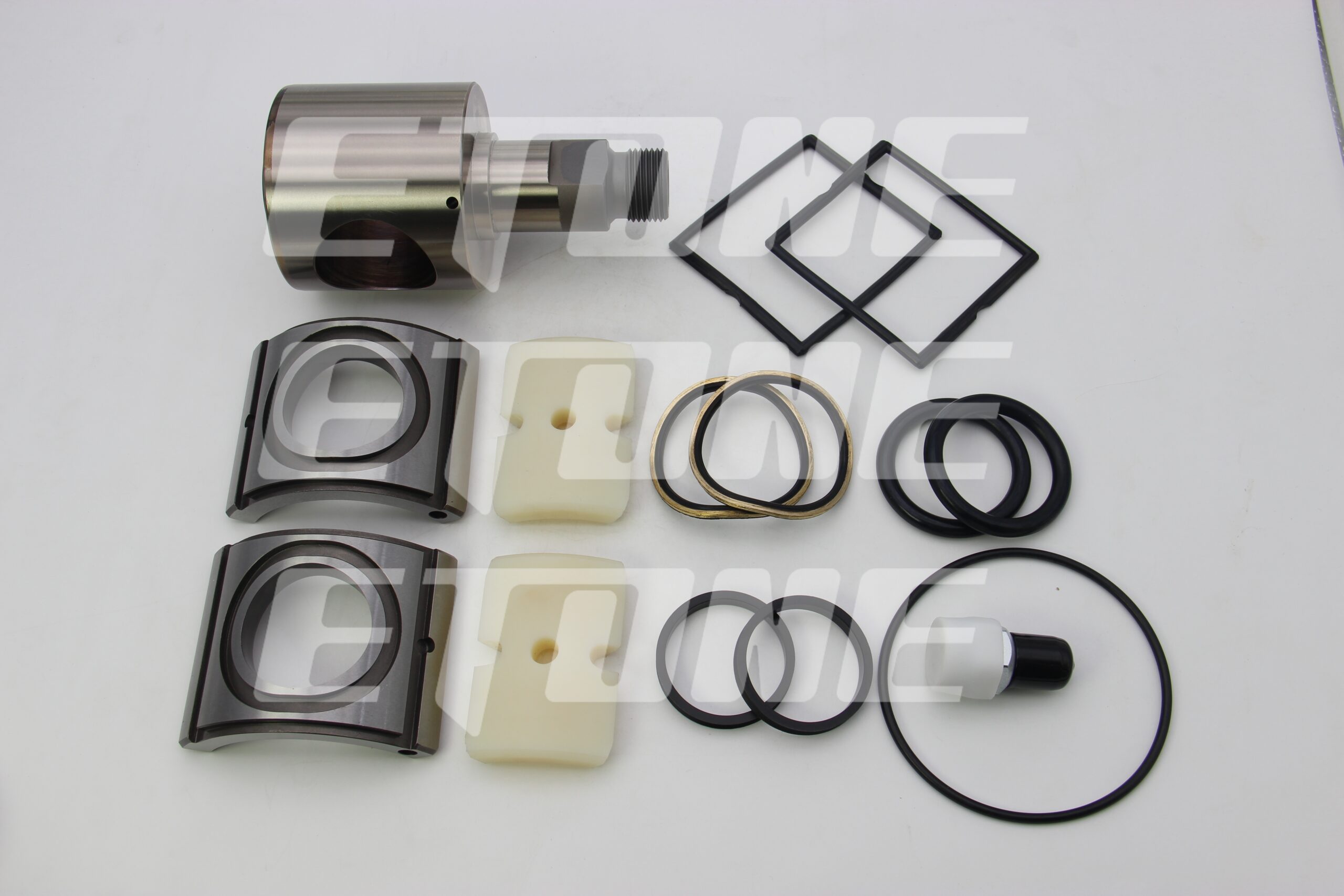
Plug Valve Repair Kits
Flapper Check Valve Repair Kits
Choke Valve Parts
Relief Valve Repair Kits
Plunger Pump Packing
Other customized oilfield spare parts
Accurate technical specifications and robust manufacturing quality are vital to equipment performance for oilfield buyers looking for replacement choke parts and associated precision oil‑field components.
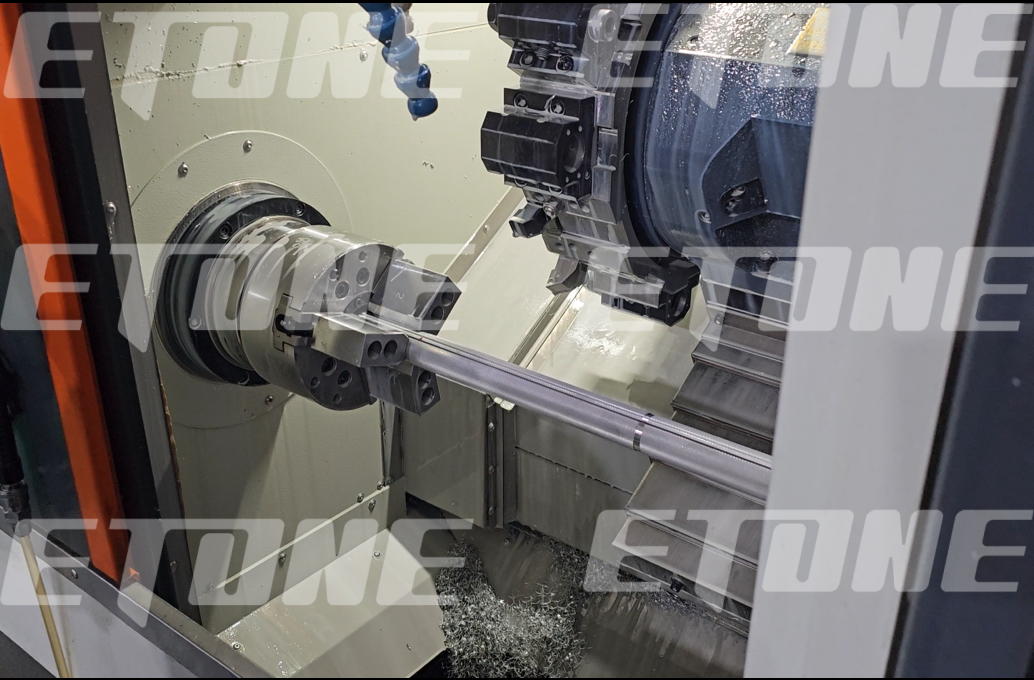
Etone offers custom component production based on customer drawings, samples, dimension data, and on‑site application needs. Our technical team will analyze your demands and advise on the most suitable manufacturing route for your project.
When submitting a quote request, please attach part drawings or samples, required quantity, material specifications, dimensional tolerances, equipment model, and working‑condition parameters. If tungsten carbide or silicon carbide materials are required, specify your desired grade or performance targets.
With this set of information, we can conduct a thorough project assessment and present a better‑matched manufacturing solution.
Conclusion
Featuring a favorable balance between hardness and relatively high toughness, tungsten carbide serves as a pragmatic option for choke beans operating under heavy abrasion and substantial mechanical loads. Silicon carbide gains merits in niche scenarios prioritizing chemical inertness, thermal capability and ceramic‑grade wear performance, on the condition that its inherent brittleness is properly mitigated.
Material selection shall be governed by real‑world operating conditions, component design, selected material grade and target service life.
Tel:+86 135 3728 5097
Should you source custom choke valve inserts, oilfield valve hardware or other oil‑field replacement spares, send over your technical specifications to Etone. Our engineering team can assess your part requirements and deliver tailor‑made manufacturing solutions for your oilfield equipment.