Within today’s oil and gas sector, high‑pressure high‑temperature (HPHT) operating conditions — including deep‑water offshore drilling, high‑stage hydraulic fracturing and harsh sour‑gas production — place extreme demands on fluid‑control systems. Operating pressures commonly reach 10,000‑15,000 PSI (69‑103 MPa), alongside wide‑swinging working temperatures. In such harsh service environments, conventional soft‑seat valves fitted with PTFE, PEEK or elastomer inserts frequently suffer thermal degradation, explosive decompression, mechanical extrusion and chemical corrosion.
Global energy operators are turning to advanced metal‑to‑metal (M2M) sealing solutions for high‑pressure plug valves to achieve zero‑leak isolation, maintain structural integrity and extend equipment service life.
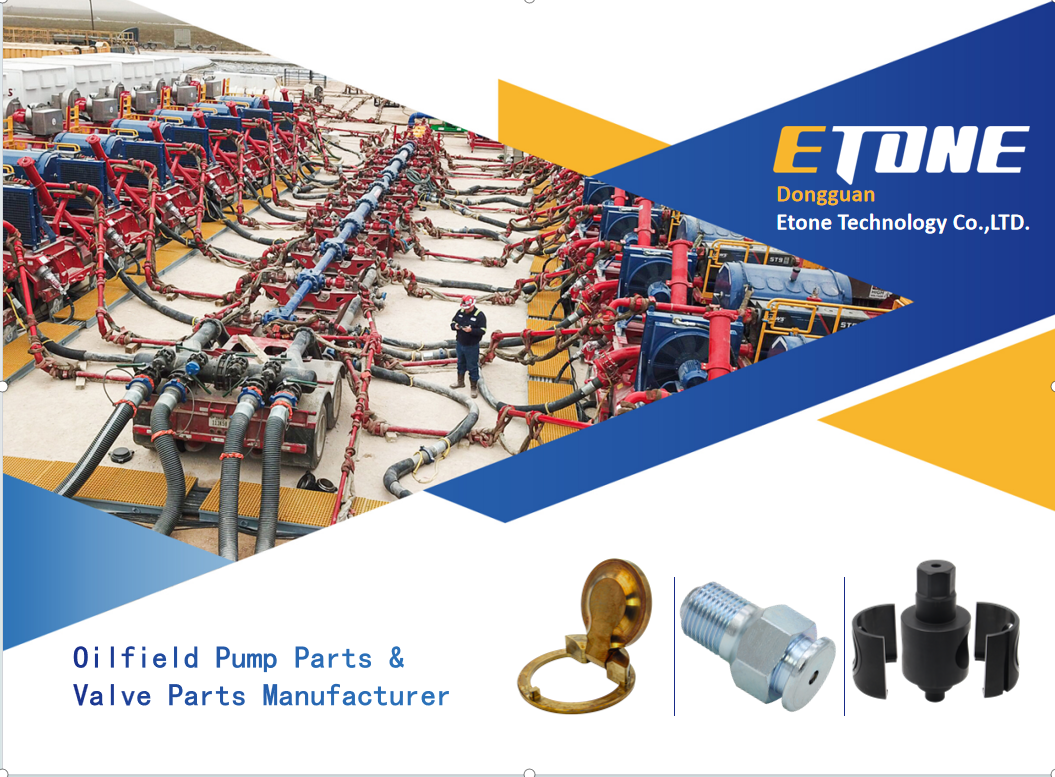
Etone Technology focuses on precision engineering and custom fabrication of heavy‑duty oilfield flow‑line parts. For surface wellhead upkeep, manifold system servicing or high‑pressure frac line applications, thorough knowledge of metal‑to‑metal plug valves’ sophisticated design logic, material metallurgy and production tolerances is critical to mitigate non‑productive time (NPT) and avoid destructive surface or down‑hole equipment failures.
1. The Physics and Mechanics of Metal‑to‑Metal Sealing
Establishing gas‑tight sealing between two bare metal surfaces without elastomer aids requires solid command of contact mechanics, elastic‑plastic deformation and micro‑surface topography.
Microscopic Contact and Asperities
Metal surfaces can never achieve complete flatness. Microscopic peaks and valleys, named asperities, can be observed on even ground metal surfaces under an optical profilometer or atomic force microscope.
Self‑Energized Sealing Dynamics
Most high‑pressure plug valves utilize pressure‑balanced or wedge‑energized constructions. Rising upstream line pressure directs fluid into inner cavities, pushing the tapered plug against its mating sleeve or body seat with greater force. Such self‑energized sealing behaviour generates higher contact stress alongside growing system pressure, compensating for short‑term mechanical vibration and thermal expansion differentials.
2. Key Challenges in High‑Pressure Plug Valve Design
Adopting metal‑to‑metal interfaces as a replacement for soft‑seated structures poses considerable mechanical and thermal difficulties for engineers to address during design development.
Torque Management and Galling Mitigation
Metal‑on‑metal contact has a higher coefficient of friction (μ) when compared to lubricated polymer sealing elements. Unprotected sliding contact of matching metals under normal loads often causes galling. Such adhesive wear creates micro‑welds at the interface.
These micro‑welds break apart. Damage the seal. The valve stem then locks.
Design Solution: Choose material sets. Keep a minimum hardness difference between plug and seat. Use high‑end. Thermal spray coatings.
Thermal Expansion and Transient Shock
Geometry and mass‑related thermal inertia cause valve bodies and inner plugs to expand or contract at different rates upon sudden wellhead pressure loss or fast cold‑fluid injection.
Design Solution: Finite Element Analysis (FEA) is used to simulate thermal gradients across the full valve unit. This prevents plug lockup inside the body and inhibits micro‑leak paths generated through thermal cycling.
Erosion and Cavitation Resistance
In fracturing workflows, high‑speed slurries that contain silica sand, ceramic proppants, and corrosive acids move through plug ports that are only partly open, reaching speeds higher than 100 feet per second, which is about 30 meters per second.
Design solution: Use optimized streamlined flow port shapes, full‑bore inline designs. Add localized tungsten carbide cladding to protect the areas that wear the most from erosion damage.
3. Advanced Metallurgy & Material Selection for HPHT Oilfield Service
Choosing the right alloy substrate is essential for making high-performance plug valve parts that can handle the oilfield conditions. At Etone Technology, every raw material that comes in is carefully checked to make sure it meets API 6A, API 16C, and NACE MR0175/ISO 15156 standards for sour-gas service.
AISI 4130 and 4140 hardened alloy steels give tensile strength over 100 ksi and solid toughness at a cost. These steels are good for pressure manifolds and low-H₂S surface flow lines. They offer resistance to corrosion and wear. When used in wet gas environments, they need a corrosion layer or coating to stay strong.
17-4 PH stainless steel, especially in H1150 and Double H1150 conditions, has high yield strength and keeps its shape well after heat treatment. It’s often used for valve stems, plug inserts, and the hinges of flapper check valves. It handles corrosion and mild sweet-gas situations very well.
For high-pressure, high-temperature environments, Inconel 718 (UNS N07718) is a top choice. This nickel-based superalloy can reach a yield strength of 150 ksi. Resists fatigue very well. It’s used in wellhead assemblies, subsea tree valve plugs, and critical relief valve parts. It stands up to H₂S, chlorides, pitting, and stress-corrosion cracking.
Inconel 625 cladding (UNS N06625) acts as an overlay on seating pockets made of 4130 or 4140 steel. It is very ductile and easy to weld. Has strong resistance to pitting (PREN > 45) in sour gas, mineral acids, and seawater brine.
Incoloy 825 and Monel K-500 available in non-magnetic grades work well in specialty downhole flow controls and sour-gas check valve repair kits. They perform reliably in environments with acid, sulfuric acid, and chloride-rich conditions.
4. Precision Manufacturing & Surface Finishing Operations
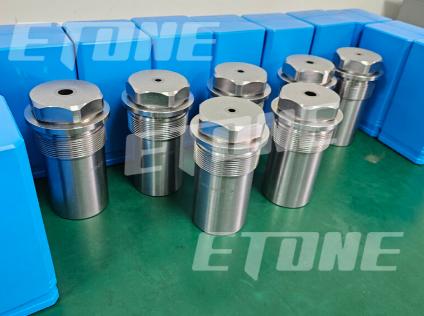
Producing metal‑to‑metal plug valve housings and internal trim components demands micron‑level manufacturing precision. Conventional turning and milling tolerances cannot satisfy the strict requirements for achieving bubble‑tight metal sealing performance.
Multi‑Axis CNC Turning and Profiling
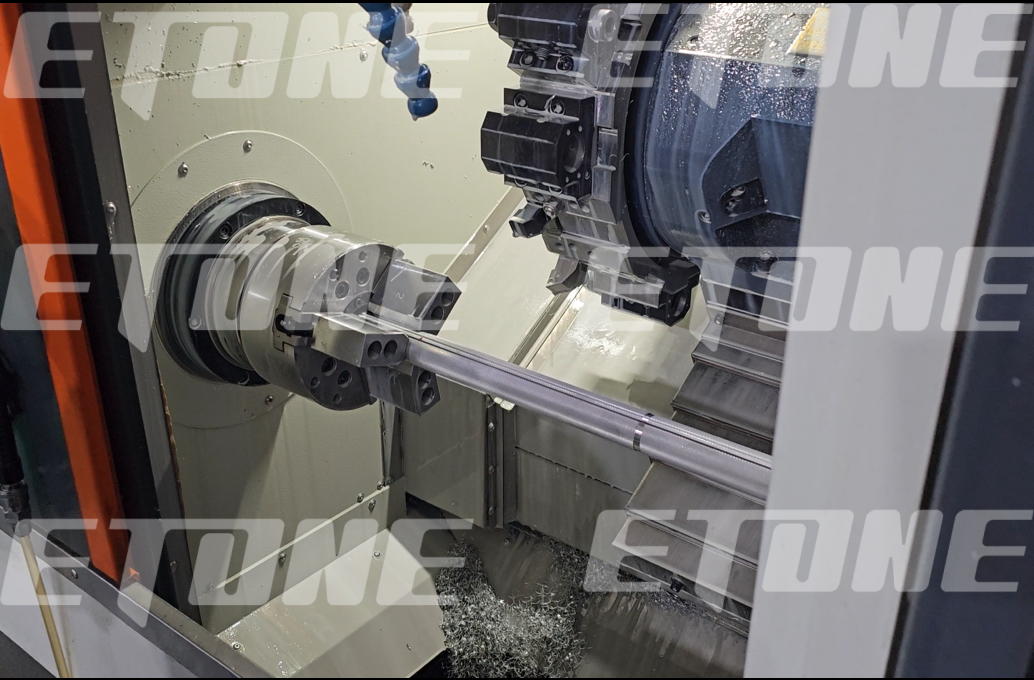
Advanced 5‑axis CNC machining centres with specialized tooling enable engineers to process intricate valve plugs, bonnet housings and tapered sleeves within a single clamping setup. Single‑setup machining removes cumulative stack‑up errors and guarantees precise concentricity between the rotational axis and inner flow bore.
Surface Hardening Technologies
To resist galling damage and particle erosion, the mating contact surfaces of metal‑to‑metal plugs and seats receive premium surface hardening treatments:
HVOF (High‑Velocity Oxygen‑Fuel) Thermal Spraying: Supersonic‑speed deposition builds low‑porosity WC‑Co‑Cr and Cr₃C₂‑NiCr coating layers. Finished coatings achieve micro‑hardness of 68‑72 HRC and bond strength exceeding 10,000 PSI.
Stellite Weld Overlay (Hardfacing): Cobalt‑base Stellite 6 hard‑facing material is applied to sealing faces via PTAW or GTAW welding, offering outstanding defence against galling and high‑temperature erosion wear.
Nitride Surface Treatments: Ion and plasma nitriding form hard diffusion layers up to 1,200 HV on stainless steel valve stems without compromising the base material’s corrosion resistance.
Precision Lapping and Superfinishing
Consistent metal‑to‑metal sealing performance heavily relies on post‑coating surface finishing work. Once coating procedures are completed, matched plug‑and‑seat assemblies go through automated planetary lapping as well as hand‑finished diamond lapping.
Surface Roughness Target: Lapped sealing surfaces shall reach a surface finish of Ra < 0.1 μm (4 μin) or superior.
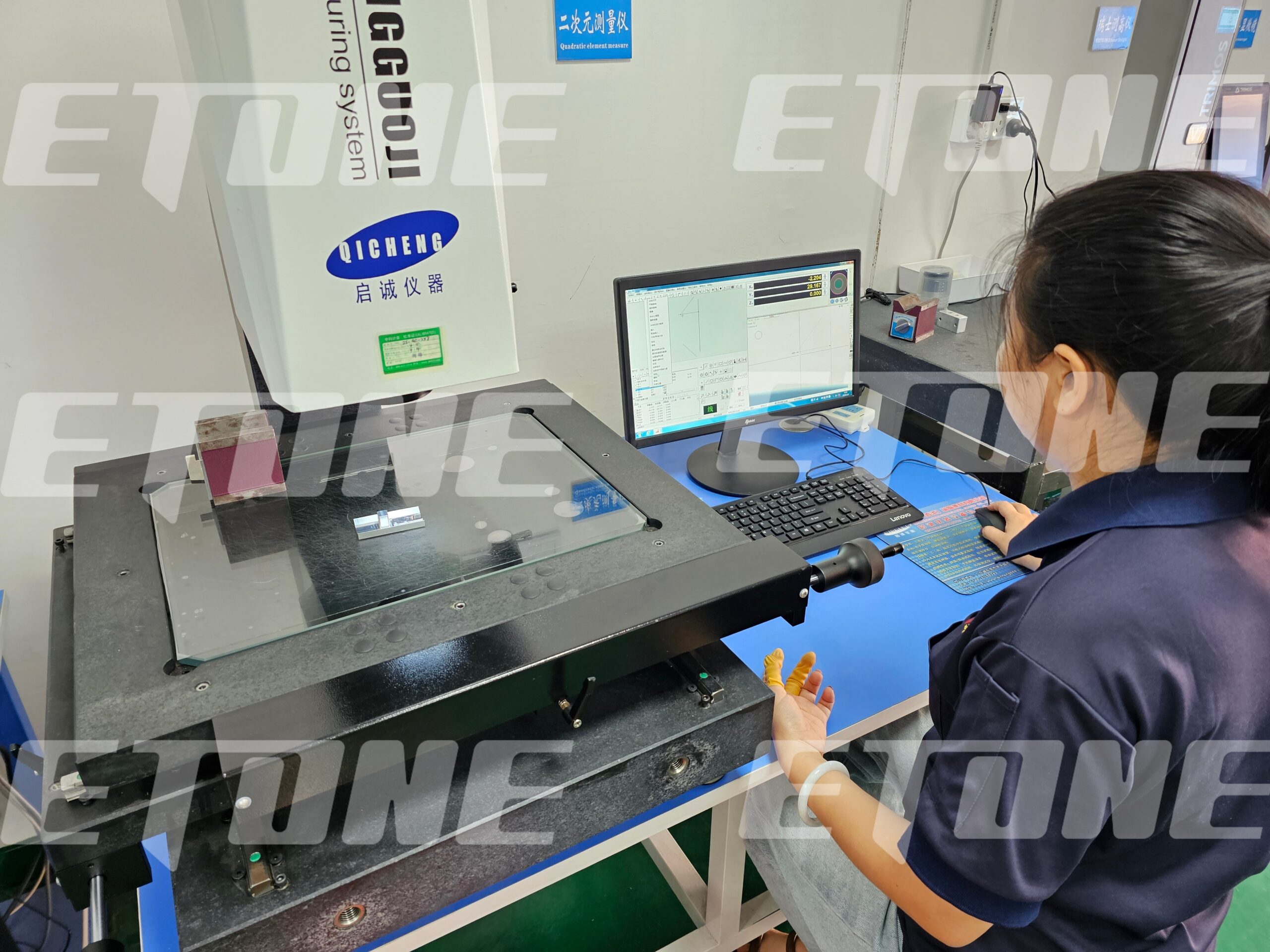
Light Band Flatness Verification: Technicians carry out flatness inspection with optical flats and light sources. The full sealing zone must maintain flatness tolerance within 1‑2 helium light bands (0.3‑0.6 μm).
5. Comprehensive Oilfield Spare Parts & Repair Kit Integration
For continuous well‑site uptime, field service crews must have quick availability of high‑accuracy replacement hardware. Severe‑duty valve assemblies should utilize interchangeable spares manufactured to exact OEM dimensional requirements.
Etone Technology’s production plant offers a comprehensive lineup of precision‑machined oilfield spare parts supporting straightforward drop‑in replacement.
Core Oilfield Valve Components & Repair Kits
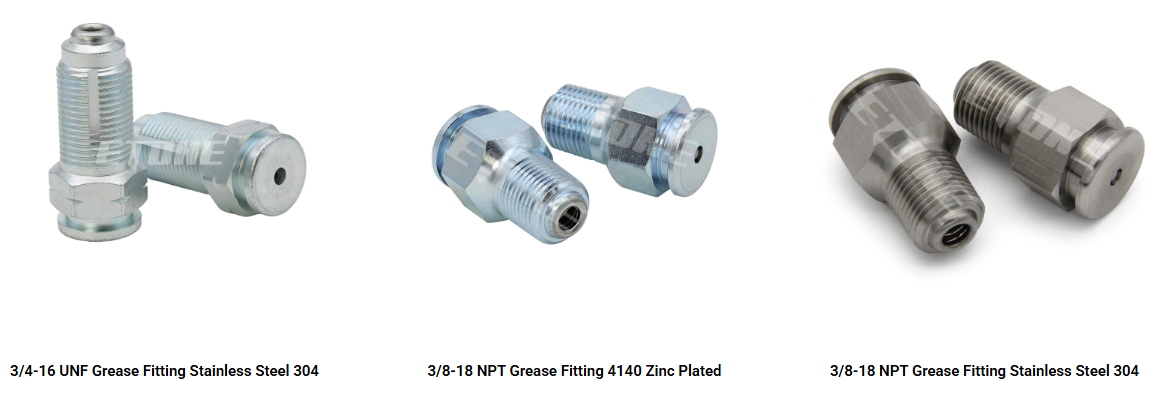
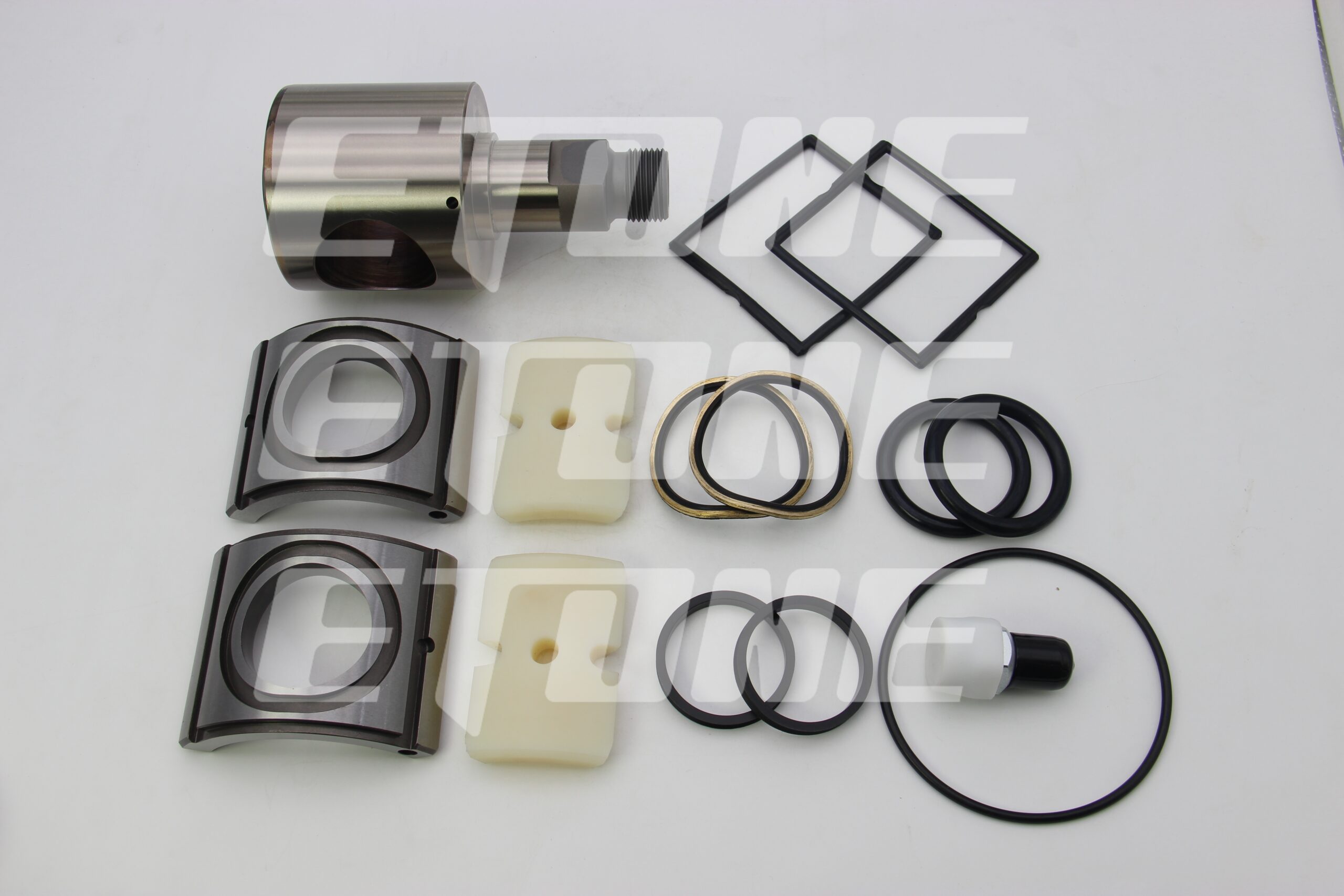
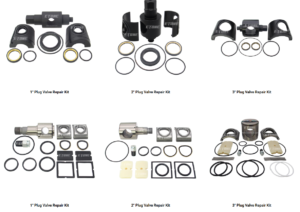
Plug Valve Repair Kits: All‑in‑one maintenance bundles with precision‑lapped metal plugs, paired sleeves, side segments, high‑pressure stem seals, grease injection fittings and thrust bearings for 10 000‑15 000 PSI flow lines.
Flapper Check Valve Repair Kits: 17‑4 PH or Inconel‑built replacement flappers, hinge pins, seats and torsion springs, enabling swift and positive backflow shut‑off for high‑velocity drill strings and choke manifolds.
Choke Valve Parts: Solid tungsten‑carbide choke beans, needle plugs, cages, seats and stem assemblies resistant to high‑pressure cavitation and abrasive sand erosion.
Relief Valve Repair Kits: High‑precision replacement discs, guide cages, heavy‑duty springs and seats ensuring precise set‑pressure actuation and instant reset for overpressure‑protection hardware.
Plunger Pump Packing & Gland Assemblies: Precision‑processed packing brass, header rings, lantern rings and high‑endurance plunger packings, tailored for reciprocating mud pumps and triplex / quintuplex high‑pressure frac pumps.
6. Elevating Field Reliability with Custom Machining Solutions
High‑pressure oilfield applications face hidden hazards when depending on generic, ready‑to‑install spare parts. Even small discrepancies in seating angle, surface finish, or alloy grain formation can lead to early seal failure, jammed valve stems, and costly unscheduled well outages.
Tel:+86 135 3728 5097
Teaming up with a specialized oilfield component producer like Etone Technology grants operators access to custom CNC machining, premium thermal‑spray cladding treatments, and strict API‑compliant QA/QC systems. No matter if you need purpose‑built metal‑to‑metal plug valve units or heavy‑duty repair kits for your current fluid‑control asset fleet, precision manufacturing is fundamental to secure field operation and optimized production uptime.