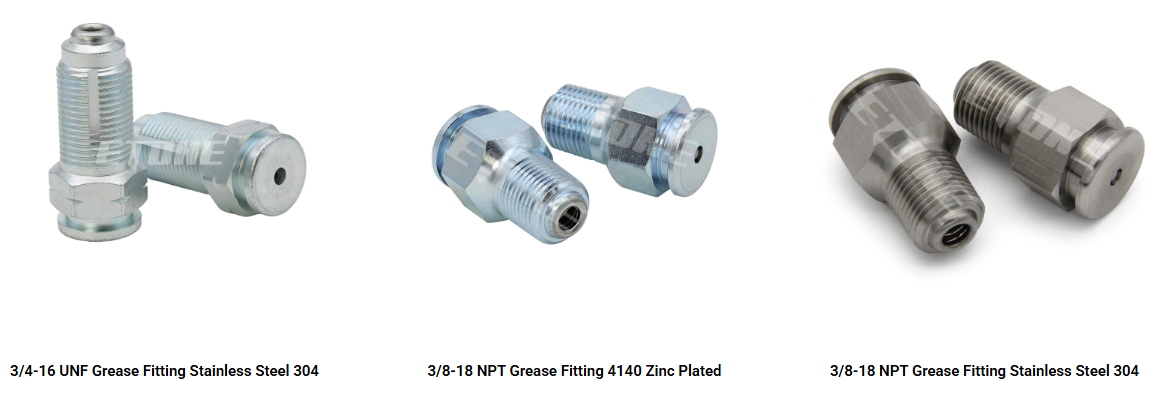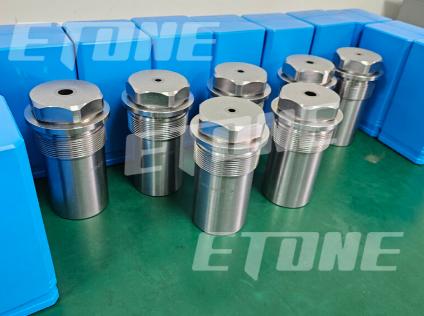
In harsh high-pressure oilfield service (10,000–15,000 PSI / 69–103 MPa fracturing lines, wellheads and manifolds), lubrication and sealing integrity are vital. High-pressure grease fittings — also called sealant injection fittings, body grease nipples or injection valves — are critical yet underrated spares for plug valves. These compact parts let technicians inject sealants and heavy lubricants under line pressure to energize seals, cut torque, resist proppant erosion and extend valve service life. Etone Technology supplies precision-machined oilfield replacements. This guide covers design, threads, metallurgy, check-valve structures and safety standards for these fittings.
1.The Role of Grease Fittings in High-Pressure Plug Valves
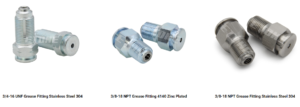
How high-pressure grease injection nozzles work in environments with oil pressures as high as 10,000 to 15,000 PSI: These grease injection nozzles help maintain the proper operation of slide gate valves. They enable maintenance teams to inject synthetic sealants and lubricants directly into the valve while the pipeline remains under pressure. This helps the auxiliary seals maintain pressure even in the event of a leak. Regular lubrication reduces the force required to rotate the valve plug, allowing for smoother movement. Under extremely high pressure differentials, there is no direct friction between metal surfaces. Furthermore, filling the grooves inside the valve body with sealant prevents sand particles, hydrogen sulfide, and corrosive fluids from entering the sealing area and causing damage. Since the grease injection nozzles incorporate built-in bidirectional check valves, they also lock the pipeline pressure inside the valve body. This not only protects the equipment and extends its service life but also reduces downtime.
2. Common Thread Types for High-Pressure Grease Fittings
Thread compatibility is one of the important things to think about when choosing high-pressure grease fittings for plug valves.
Thread standards are not the same across all manufacturers or equipment models. Even if a fitting looks like it fits its thread shape or how it seals might not work with your valve.
2.1 NPT Threads
NPT stands for National Pipe Taper. It’s a thread standard commonly used in North American pipelines and fluid connections.
The taper helps create a seal by tightening the threads into each other. Often a thread sealant is used too if the equipment design allows it.
You might find NPT threads on some lubrication fittings or smaller connections.. They don’t work with every oilfield plug valve.
When picking NPT grease fittings you must check the size, thread specs the port it connects to and the sealing method approved for that equipment.
2.2 UN/UNF and Other Specialized Threads
Some oilfield tools use Unified series threads or custom connections made by manufacturers.
UNF means pitch Unified threads.. Just because the pitch is fine doesn’t mean the thread will seal properly under high pressure.
For high-pressure grease injection systems you need to check the thread specs the fitting’s design, how it seals, what material it’s made of and its pressure rating.
Key Note: Just looking at thread size is not enough to know if a fitting is safe, for high-pressure use. Before buying replacement parts always confirm the thread standard, the mating port the sealing method, the pressure rating and the original equipment manufacturer’s requirements.
3. Materials Used in High-Pressure Grease Fittings
Material choice governs tensile strength, corrosion resistance, wear characteristics and service lifespan. Optimal material selection relies on working pressure, media exposure, temperature, lubricant compatibility and fitting construction.
3.1 Carbon Steel & Alloy Steel
Carbon and alloy steel deliver robust mechanical strength. Suitable grades like 4140 can serve high-pressure fittings after proper heat treatment and surface coating for anti-corrosion protection. Still, material grade alone cannot define pressure rating; full design, production and testing validation is mandatory.
3.2 Stainless Steel
Stainless steel is chosen for corrosion protection. Typical options cover 304, 316 and high-strength 17-4 PH precipitation-hardening stainless steel. 304 works for general corrosion scenarios; 316 performs better in chloride environments, while 17-4 PH balances high strength and corrosion resistance. Offshore or corrosive service needs assessment based on real field conditions.
3.3 Brass & Copper Alloys
Brass and copper alloys apply to ordinary lubrication fittings. Their low mechanical strength restricts oilfield high-pressure use. Deploy them only if the fitting is purpose-built and rated for high-pressure service.
4. Applications of High-Pressure Grease Fittings in Oilfield Equipment
High-pressure grease fittings support an array of lubrication systems, and their specific function depends on how the equipment is engineered.
4.1 Plug Valve Lubrication Systems
Lubricated plug valves use injection ports to deliver compatible lubricant to targeted internal surfaces. The grease fitting creates the connection point for grease injection tools. Operators maintaining plug valve repair kits and spare components need to verify that fittings match the valve model, thread specification, lubricant category and injection requirements.
4.2 Wellhead and Well Testing Equipment
Wellhead and well test valves require controlled lubrication in line with OEM protocols. Components for this service must handle specified pressure, temperature and field operating conditions. Do not select replacement fittings only because they look alike; complete technical specifications must be checked.
4.3 Hydraulic Fracturing Equipment
Hydraulic fracturing runs under extreme pressure with frequent equipment operation. Its valve assemblies call for dedicated lubrication components. Whether a fitting is usable depends on valve design and pressure exposure. Pressure ratings, thread compatibility and material traceability are essential for fracturing spare parts.
4.4 General Industrial Lubrication Systems
Such grease fittings can also be found on mechanical equipment and lubrication manifolds. However, standard industrial grease fittings are not automatically suitable for high-pressure plug valves. Every application must be assessed individually.
Custom Oilfield Valve Parts and Spare Parts from Etone
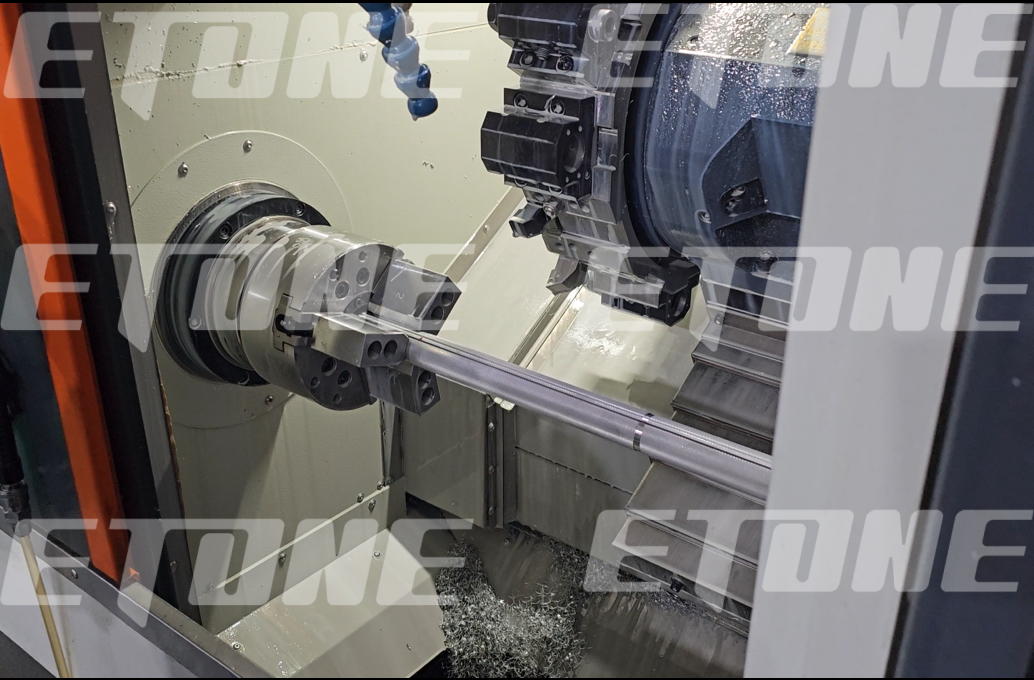
Dongguan Etone Technology Co., Ltd. specializes in the development, customization, and production of precision metal components and repair kits for oilfield drilling equipment.
Our product range includes:
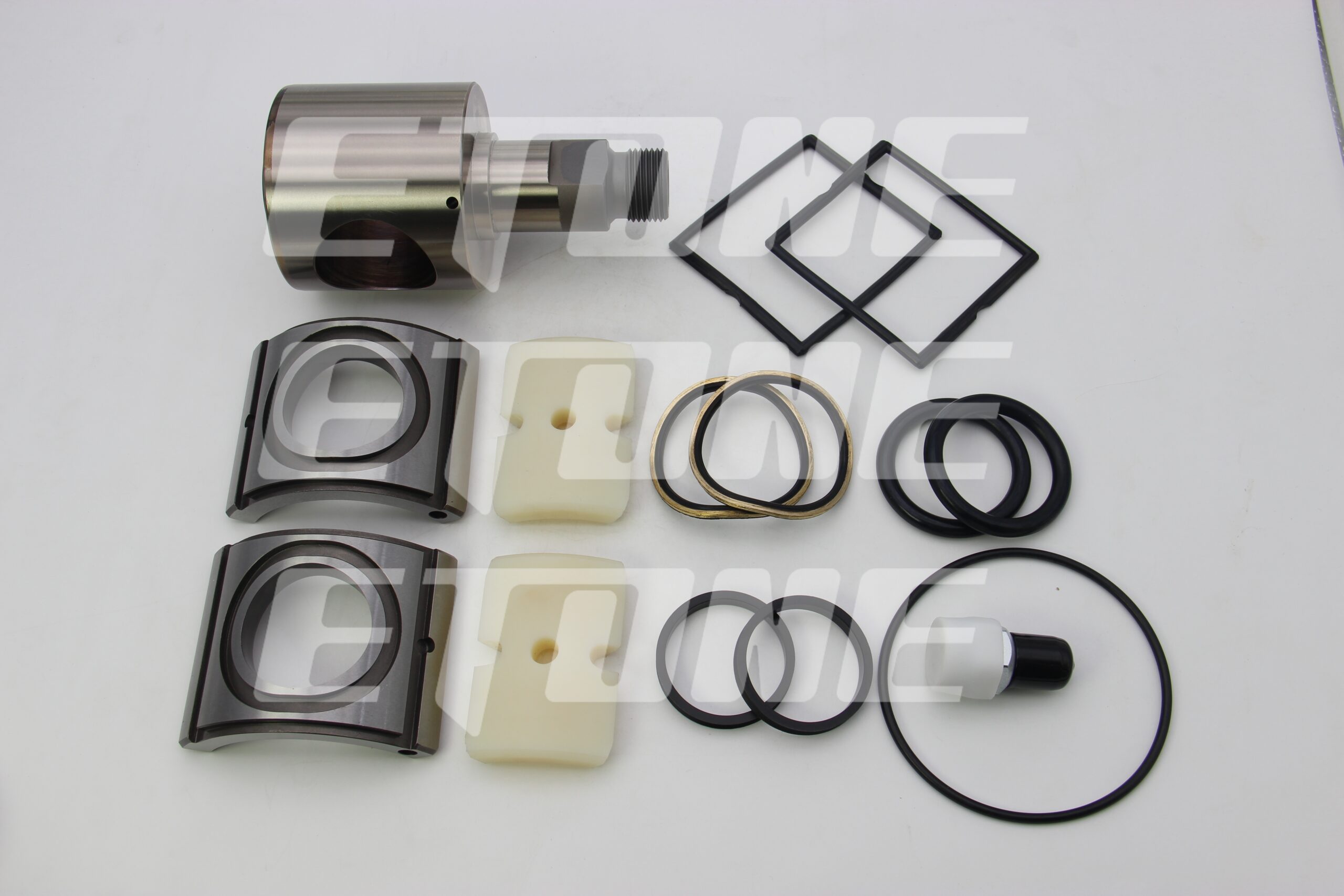
Plug Valve Repair Kits
Flapper Check Valve Repair Kits
Choke Valve Parts
Relief Valve Repair Kits
Plunger Pump Packing
Other customized oilfield spare parts.
Conclusion
High-pressure grease fittings are critical components for lubrication systems on compatible oilfield plug valves. Their dependable operation relies on accurate thread selection, proper material attributes, pressure matching and correct installation.
NPT, BSPT, BSPP, metric and Unified thread types are common in industrial and specialty equipment. Even so, these threads cannot be interchanged unless thorough compatibility verification is completed. Carbon steel, alloy steel and stainless steel come with unique benefits, chosen to suit actual field operating environments.
For buyers purchasing high-pressure grease fittings, plug valve repair kits and precision oilfield spare parts, verifying OEM requirements is the most reliable approach to source proper replacements.
Email:pe@etoneoil.com
Send Etone your drawings, samples, thread data and application needs. We will review custom oilfield valve components and spare parts to fit your equipment specifications.