Swivel joints are essential in high-pressure oilfield flowline systems. They allow pipes to rotate while keeping the flow of fluid sealed and secure. Over time, internal parts like seals, O-rings, and bearing balls wear out due to use. That’s why regular maintenance is important. A matched swivel joint repair kit can restore performance, reduce unexpected breakdowns, and keep oilfield equipment running smoothly.
For oilfield service providers, distributors, and equipment manufacturers, understanding what is included in a repair kit, which models it fits, and how to schedule maintenance is key. This knowledge helps ensure that spare parts are reliable and ready when needed.
1. What Is a Swivel Joint Repair Kit?
A swivel joint is a mechanical connection engineered to enable relative rotation between joined flowline segments.
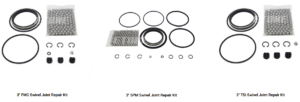
A swivel joint repair kit supplies spare components to overhaul a specific swivel joint model. Depending on the design, kits may include O-rings, pressure seals, packing, steel balls, retaining rings, ball plugs, grease plugs and other small parts.
Kit contents vary by brand, joint size, pressure class, design style and service conditions. Seal kits have different components than complete overhaul kits.
Buyers sourcing oilfield repair kits and precision oilfield parts must validate correct kit configuration. A kit matching nominal joint size can still be incompatible with certain joint designs or revisions.
2. Key Components of a Swivel Joint Repair Kit
Understanding each component’s role helps maintenance crews identify wear, pick suitable spares, and simplify repair scheduling.
2.1 O-Rings and Sealing Elements
O-rings and elastomer seals prevent fluid leakage on mating surfaces. During operation, they suffer cyclic pressure, temperature fluctuation, chemical corrosion, and friction, which may harden, deform, or crack seals. NBR and HNBR are typical materials. NBR fits petroleum fluids within proper temperature ranges, while HNBR boasts better heat and abrasion resistance. No single elastomer suits all oilfield scenarios. Buyers must confirm exact seal material and dimensions when ordering kits.
2.2 Pressure Seals and Packing
Pressure seals and packing create leak barriers inside joints. Their profiles depend on joint structure. For high-pressure pipelines, seal geometry and material guarantee sealing performance. Aged packing causes leaks and extra friction. New packing needs consistent cross-section, size, material, and installation direction as original parts.
2.3 Steel Balls
Many swivel joints have steel balls that move inside channels to let parts turn freely.
These balls help share the weight and make turning smooth. If the balls get worn, rusted, scratched, or dirty, the turning can get worse.
Workers check the balls and the channels for signs of damage like holes, unusual wear, or other problems during maintenance.
The number and size of balls depend on how the joint’s built and cannot be guessed just by the size of the pipe.
2.4 Retaining Rings and Ball Plugs
Retaining rings, ball plugs, and other parts hold things in place. Make seals on many swivel joint parts.
Despite their compact form, these components’ dimensional accuracy and sound condition are vital to maintain full assembly functionality.
Damaged retaining rings, distorted plugs, or mismatched auxiliary hardware will hinder reassembly work.
Always cross-reference the bill of materials of a full repair kit prior to assembly.
2.5 Grease Plugs and Lubrication Components
Some swivel joints use grease fittings, grease plugs, and special paths for oil.
These parts help with oiling and protect parts that move.
Each machine might need oil. Using the oil, not oiling on time, or putting too much oil can cause problems.
Always follow the rules from the company that made the equipment and make sure the new parts fit the oiling system.
3. Swivel Joint Repair Kit Compatibility: Buyer Guidelines
When buying oilfield replacement parts, making sure the parts will fit together is very important. Repair kits that look the same as OEM sets can still differ in seal size, material type, or how the internal hardware is arranged.
3.1 Confirm Swivel Joint Size
Swivel Joints come in sizes such as 2‑inch, 3‑inch, and 4‑inch. Knowing the size does not mean a kit will fit. Parts that share the nominal size can have different inner shapes, different seal shapes, different numbers of balls, and updated designs.
3.2 Verify Pressure Rating
Oilfield Swivel Joints are made to handle working pressure limits, for example, 6,000 psi, 10,000 psi, and 15,000 psi, and some designs have custom ratings. These numbers are examples. Installing a repair kit does not raise the Swivel Joint’s pressure rating. Do not pick a kit just because it says it has a pressure rating; compare that rating with the equipment documents and the actual operating conditions, in the field.
3.3 Identify Manufacturer, Style and Revision
Each OEM uses its sealing design and internal layout. Even Swivel Joints that look the same can differ because of revisions or service settings. To avoid ordering mistakes, buyers should give the manufacturer name, part number, nominal size, working pressure, revision, kit part number, drawings, parts lists, and photos of the removed components so the supplier can verify.
3.4 Confirm Standard or Sour‑Service Requirements
Some oilfield jobs deal with hydrogen sulfide (H₂S). These sour‑service jobs need materials, elastomers, and hardness limits to meet the rules. A standard‑service kit is not automatically suitable for sour‑service. Buyers must describe the operating environment.
4. Standard Swivel Joint Repair Kit vs. Complete Overhaul Kit
Not every maintenance job needs the replacement parts.
| Kit Type | Typical Scope | Suitable Situation |
| Seal kit | O-rings, packing, and specified seals | Seal replacement during planned maintenance |
| Ball kit | Steel balls and associated specified parts | Ball wear or replacement requirements |
| Plug or retainer kit | Design-specific plugs and retaining hardware | Damaged or missing retention components |
| Complete repair kit | A matched set of specified service components | Planned overhaul or comprehensive repair |
The actual kit contents vary with equipment configuration and supplier. Buyers must always check the bill of materials before buying.
For distributors and maintenance contractors, right kit type selection stops buying spares and reduces the risk of unfinished or poor repairs.
5. Common Indicators Requiring Swivel Joint Maintenance
Detecting early warning symptoms helps maintenance crews schedule inspections. Stops small wear on a swivel joint from turning into big problems.
Fluid Leakage
Fluid leakage around a swivel joint usually points to worn seals, damaged sealing surfaces, a bad assembly, or other system defects. Because not all problems are seal-related, technicians must examine the assembly according to proper maintenance procedures.
High Rotational Stiffness
If a swivel joint’s rotation is hard, it may be caused by bearing parts, not enough lubrication, dirt in the system, or internal damage. Installing a repair kit without checking the raceways will not fix the issues.
Irregular Noise or Motion
Odd sounds, excessive backlash, and erratic movement imply damaged internal parts. Remove the unit from operation and carry out inspection as per OEM requirements once safety hazards emerge.
Recurring Seal Damage
Frequent seal failures may arise from mismatched materials, improper lubrication, faulty installation, scarred contact surfaces, or operation beyond rated limits. Blind seal replacement without root-cause checks creates continuous maintenance costs. Root cause analysis sustains stable performance for precision oilfield parts.
6. Planning Swivel Joint Maintenance Activities
Organized maintenance workflows help oilfield operators control parts, cut unplanned shutdowns, and boost service productivity.
1. Create asset registers that record swivel joint model, dimension, pressure class, serial ID, operating environment, and kit part references. This helps fast identification.
2. Set inspection standards that follow OEM advice, operational severity, rotation frequency, pressure cycles, and fluid traits. Avoid service intervals.
3. Monitor leakage and component degradation. Internal inspection must follow isolation and depressurization as per OEM protocols.
4. Stock the repair kits for mission‑critical assets. Consider equipment priority, usage history, and supplier lead times. Generic kits cannot guarantee fitment.
5. Archive service logs that cover replaced parts, damage observations and material specs. This helps detect recurring failure trends and guide procurement.
7. Custom Oilfield Spare Parts by Etone
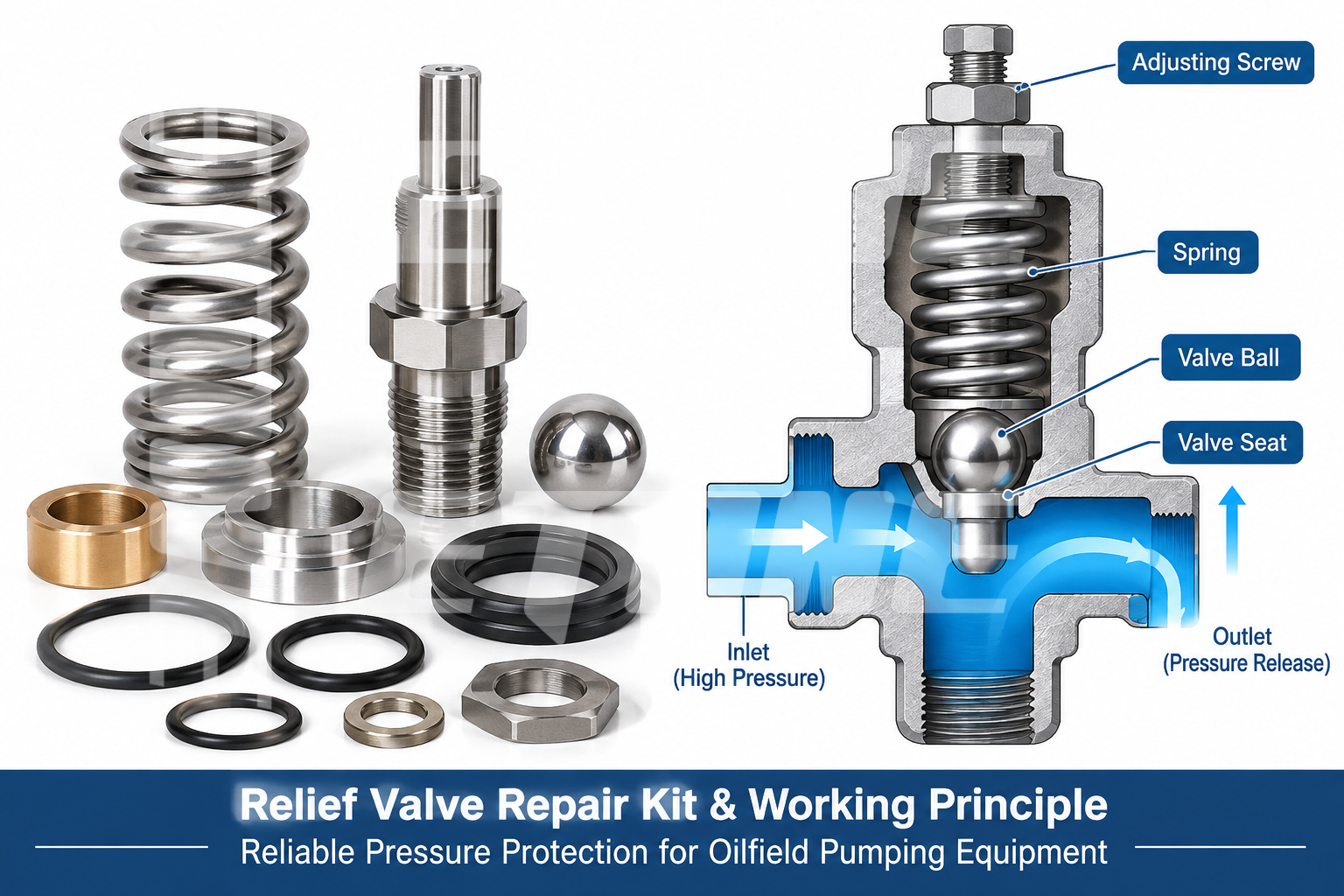
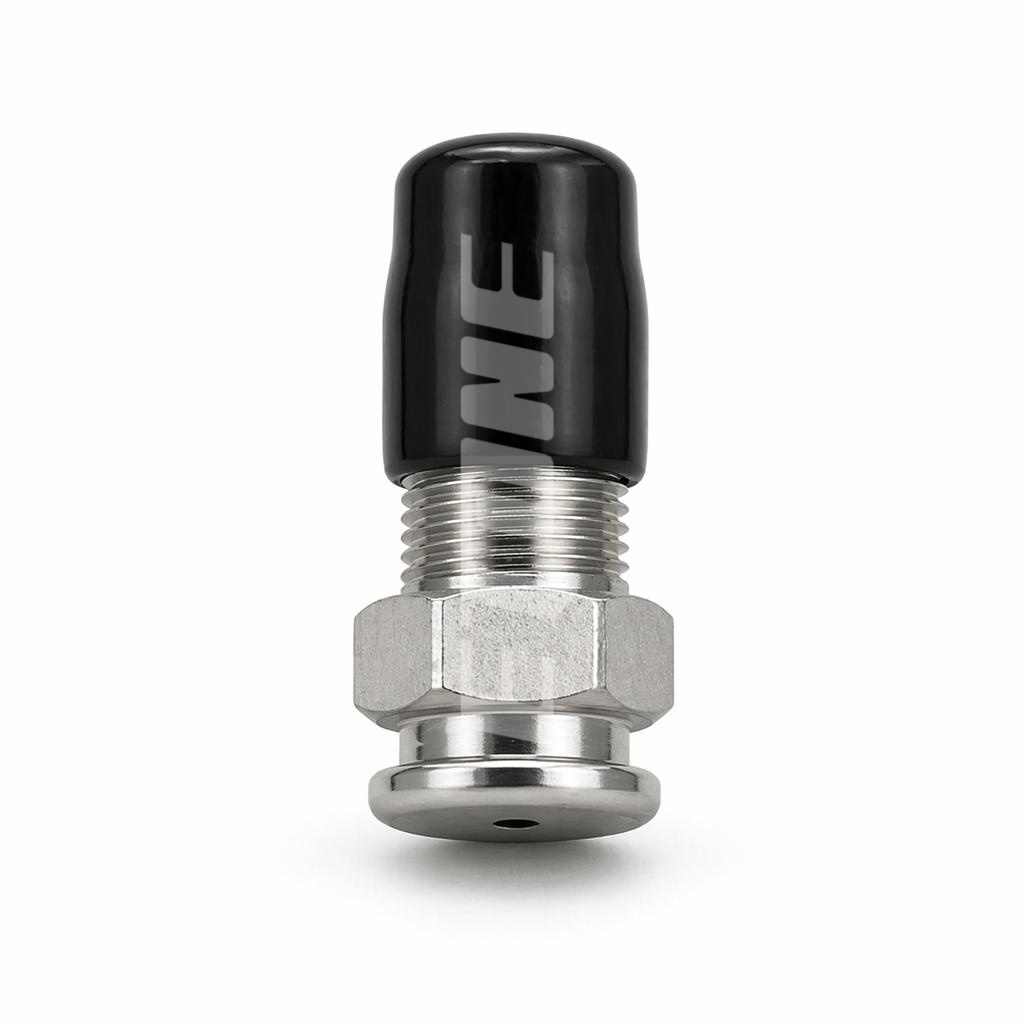
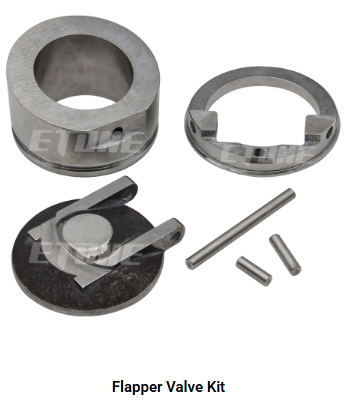
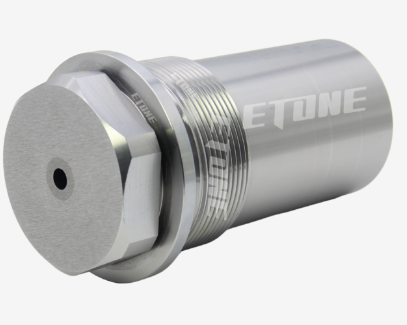
Dongguan Etone Technology Co., Ltd. focuses on developing and manufacturing customized precision metal components and repair kits for oilfield drilling gear. Our portfolio covers plug valve repair kits, flapper check valve kits, choke valve parts, relief valve repair kits, plunger pump packing, and other tailor-made oilfield spares.
Tel:+86 135 3728 5097
Before quotation and production, buyers of swivel joint repair kits must confirm compatibility and material specs. We manufacture against drawings, samples, and field requirements. Submit joint model, size, pressure class, service type, seal materials, quantity and inspection demands for precise quotes. We serve distributors, maintenance firms and OEMs.