In high-pressure well servicing, Figure 1502 plug valves are critical for managing turbulent, abrasive, and corrosive fluids. To keep these valves functioning flawlessly at pressures up to 15,000 PSI, routine maintenance is your first line of defense.
However, one of the most common questions fleet managers and warehouse buyers ask is: How often should you replace plug valve repair kits?
Waiting until a valve fails or leaks during a live pumping stage can lead to disastrous blowouts, expensive downtime, and severe equipment washouts. Conversely, replacing internals too early inflates your operating costs.
In this professional guide, we will analyze the key factors that dictate high-pressure plug valve rebuild kit lifespans and share expert tips on how to optimize your oilfield valve maintenance kits procurement.
1. What Dictates the Lifespan of a Plug Valve Repair Kit?
There is no single “one-size-fits-all” expiration date for plug valve seal segments and internal packing. Instead, their service life is determined by several intense field variables:
Operating Pressure & Velocity: Valves operating under 15,000 PSI pressure spikes wear out much faster than those used in low-pressure transfer lines. High fluid velocity accelerates the erosion of the internal metal-to-metal seating surfaces.
Proppant Abrasiveness: Frac sand, ceramic proppants, and drilling mud act like liquid sandpaper inside the valve. Over time, these abrasives compromise the micro-finish of the plug and wear down the elastomeric side seals.
Chemical Compatibility: Acidizing fluids and sour gas containing hydrogen sulfide degrade standard rubber compounds rapidly. If your site handles sour service, utilizing specialized HNBR plug valve seals or Viton compounds compliant with NACE MR0175 is mandatory to prevent cracking.
2. Standard Industry Replacement Guidelines: When to Rebuild?
For general preventative maintenance (PM) scheduling, successful oilfield service companies typically follow these operational rules of thumb:
A. The “Pumping Hours” Rule (High-Use Frac Iron)
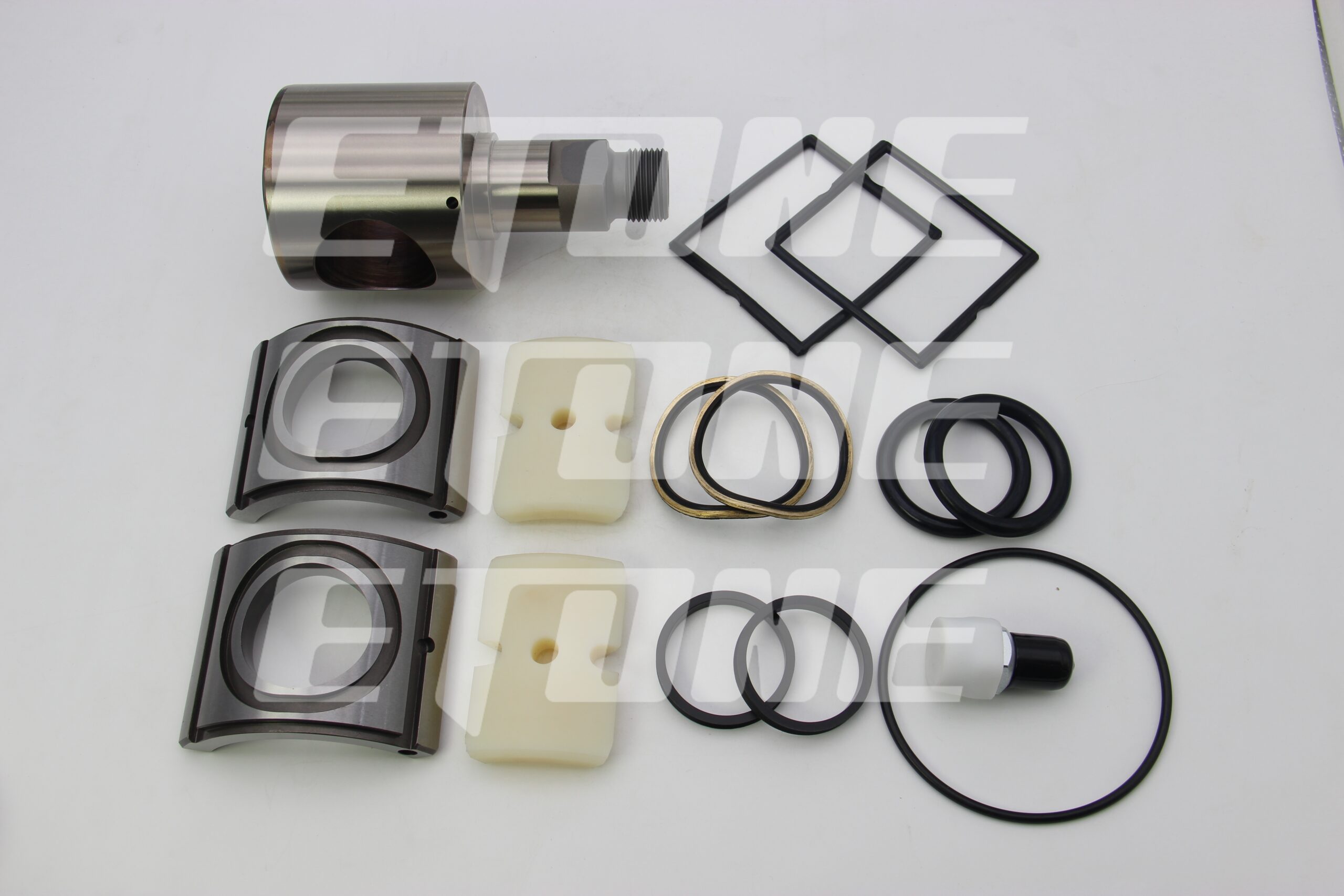
For active hydraulic fracturing operations, plug valves should be stripped down and inspected every 100 to 150 pumping hours. Technicians should install a fresh aftermarket FMC plug valve parts kit or SPM-compatible repair kit immediately if any internal components show signs of rounding, scratching, or elastomer compression set.
B. The “Calendar-Based” Rule (Standby & Production Trees)
For wellhead control valves or equipment used in low-frequency cementing operations, performing a full teardown and installing a new wellhead valve repair kit every 6 to 12 months is standard practice to prevent rubber dry-rotting and corrosion-induced binding.
3. Warning Signs: Red Flags That Your Plug Valve Needs an Immediate Rebuild
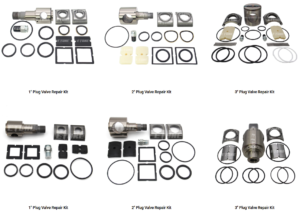
Do not wait for a PM schedule if your field crew detects any of the following symptoms. Order a replacement 2-inch plug valve repair kit or 3-inch plug valve parts setup immediately if you notice:
High Operating Torque (Hard to Turn): If the valve plug becomes extremely stiff or requires excessive force to open and close, the internal lubricants have washed out, and the side segments are likely metal-galled.
Weeping from the Stem or Bonnet: This indicates that the high-pressure packing and O-rings inside your oilfield valve rebuild kit have suffered explosive decompression or thermal degradation.
Internal Bypassing (Seat Leakage): If pressure bleeds through to the downstream side while the valve is in the fully closed position, the seal between the plug and the segment has washed out.
4. How to Extend the Lifespan of Your Valve Internals
You can drastically increase the time between your plug valve repair kit replacements by implementing these simple maintenance steps:
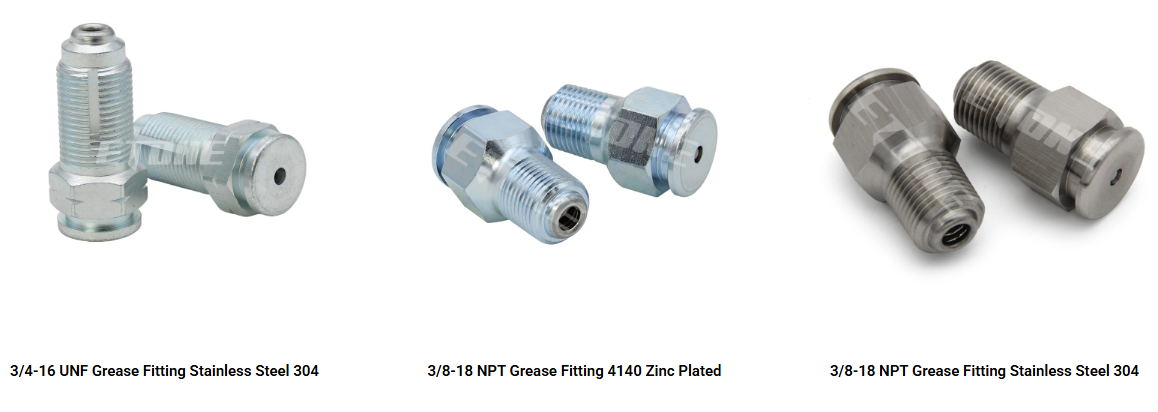
Keep Them Lubricated: A plug valve is a metal-to-metal contact seal that relies on continuous grease barrier protection. Regularly inject high-tack sealant through high-quality double ball grease fittings.
Protect the Injection Ports: Ensure your giant button head grease fittings are sealed with heavy-duty brass top hats or thread protection caps. This prevents dirt and sand from being pumped straight into the valve body during lubrication cycles.
Coordinate Overall Flow Line Maintenance: When servicing your valves, check adjacent flow components like inline check valve kits and high-pressure pump manifolds to ensure consistent fluid dynamics. Worn plunger pump fluid end parts can cause intense pressure pulsations that stress your plug valves.
Why Source Your Rebuild Kits from Etone Oil?
As an established, ISO-compliant China high-precision valve parts manufacturer, Etone Oil delivers the exact metallurgy and elastomer quality demanded by major oilfield service providers.
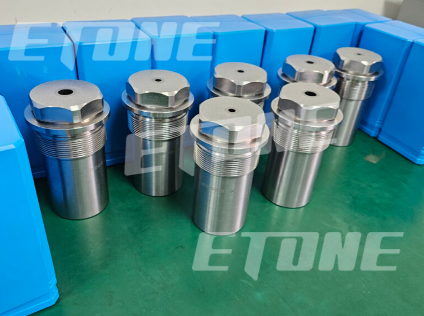
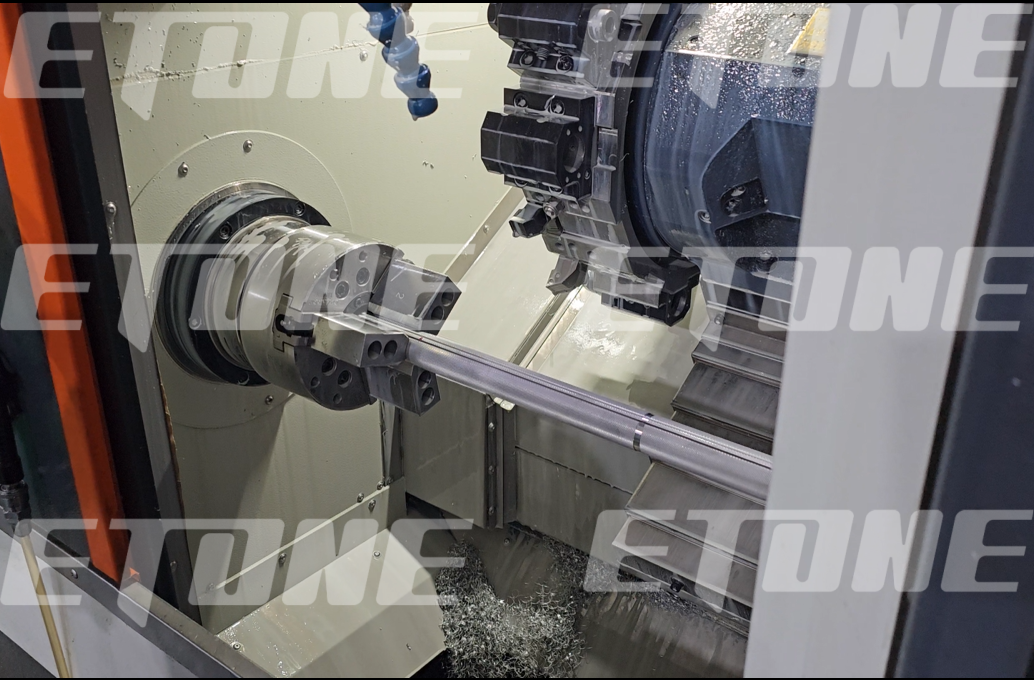
Exact-Fit OEM Interchangeability: Our custom CNC machining guarantees that our aftermarket valve repair kits fit seamlessly into your existing Figure 1502 iron fleets.
Premium Material Integrity: We use high-grade AISI 4140, 316SS, and premium-grade HNBR or Viton compounds to ensure maximum wear-resistance in HTHP (High Temperature, High Pressure) environments.
Streamlined B2B Supply Chain: We stock a massive inventory of complementary wellhead accessories, including high-pressure grease injection valves, customized stainless steel check valve kits, and heavy-duty brass thread protectors.
Don’t let a worn-out seal segment shut down your entire fracturing operation. Keep your iron running safely and efficiently with Etone Oil’s premium bulk valve repair kits and high-pressure flow line accessories. Get Direct Factory Pricing Today: Contact our technical sales team right now with your required sizes, part numbers, or target monthly volumes. pe@etoneoil.com