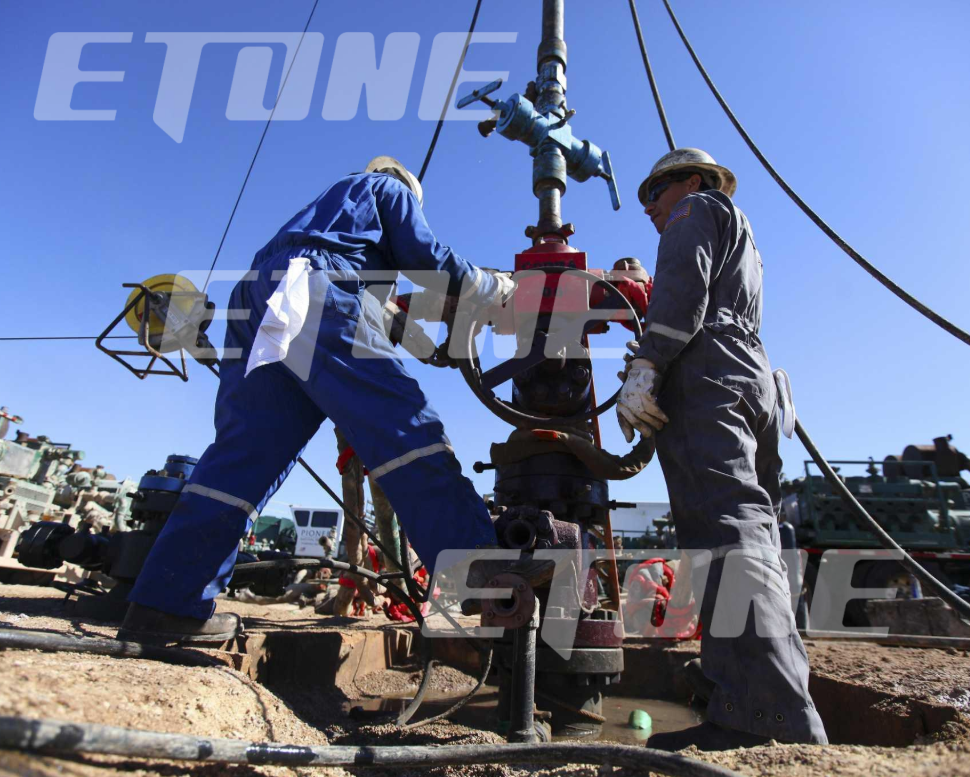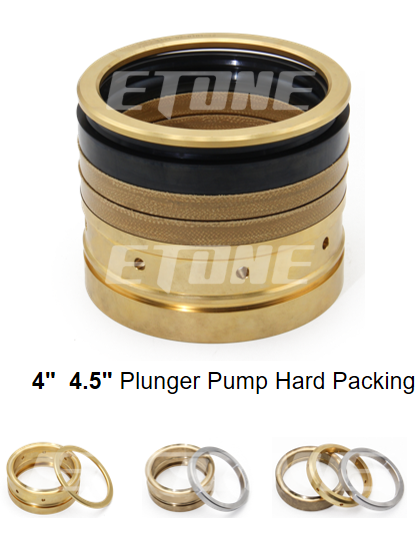
A plunger pump packing assembly is installed at the critical interface between the hydraulic fluid side and the mechanical power side. These components ensure a tight seal for the fluid during the plunger rod’s reciprocating motion, which occurs hundreds of times per minute.
Because the plunger packing is constantly subjected to sustained friction, high fluid flow rates, high temperatures, and abrasive impacts from sand particles, it is the most heavily worn and vulnerable component in the entire fluid end. Delaying the replacement of the packing will inevitably lead to pressure drops, severe scoring of the plunger, clogging and scouring of the fluid end, and contamination of the hydraulic fluid in the power end—resulting in catastrophic equipment failure.
Therefore, implementing a comprehensive fluid-end maintenance strategy requires procuring compatible, high-precision oilfield valve spare parts—such as plug valve repair kits, check valve repair kits, throttle valve components, and relief valve kits—to ensure the pressure integrity of the entire system.
This technical guide provides an in-depth breakdown of plunger pump packing replacement intervals, key wear indicators, root-cause failure mechanisms, step-by-step field repacking SOPs, and actionable strategies for sourcing precision-engineered replacement kits from Etone Oil (www.etoneoil.com) to maximize pump uptime and streamline procurement.
1. Understanding Plunger Pump Packing Architecture & Function
To determine when plunger packing requires replacement, field engineers and maintenance technicians must understand how the dynamic seal stack functions inside the fluid end stuffing box cavity.
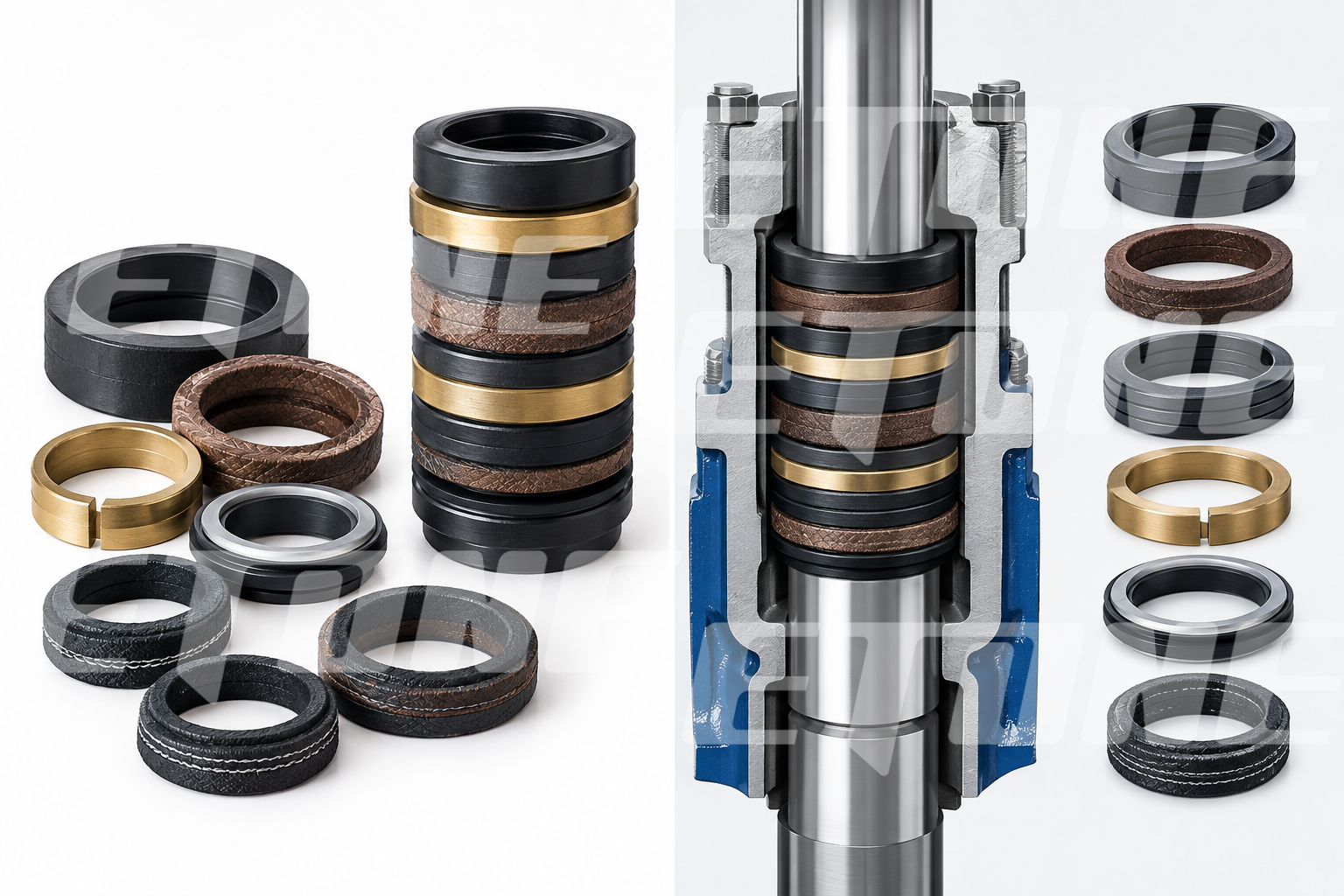
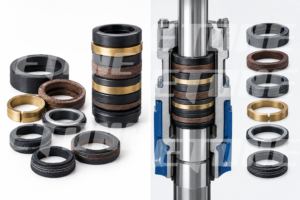
A high-pressure plunger pump packing set comprises five key functional parts.
The Pressure Header Ring (Top Ring) sits nearest the high‑pressure fluid chamber. It absorbs initial hydraulic pressure spikes and protects the inner V‑rings from direct proppant impact.
At the core are stacked Kevlar‑reinforced HNBR chevron V‑rings (middle sealing rings). Under hydraulic pressure, these V‑profile components expand radially against the reciprocating plunger and stuffing‑box bore to form a reliable leak‑proof seal.
The Lantern Ring (lubrication ring) is a perforated component made of brass, bronze or alloy. Installed among packing rings, it evenly delivers flush water, oil or grease onto the moving plunger surface to lower frictional heat and extend service life.
Bottom Adapter Ring (Base Ring): Provides flat mechanical support at the rear of the packing stack, preventing elastomeric ring deformation and dynamic extrusion under high operating pressures.
Anti-Extrusion Backup Rings: High-durometer PEEK or metallic rings engineered to bridge mechanical clearance gaps under continuous pressures up to 20,000 PSI.
2. Typical Plunger Pump Packing Replacement Intervals
There is no single “one-size-fits-all” operating hour threshold for replacing plunger pump packing. Packing life varies significantly depending on the application type, fluid abrasiveness, chemical toxicity, and operating pressure.
Plunger pump packing sets feature differentiated service lifespans and replacement cycles under diverse oilfield operating conditions, based on varying medium abrasion and chemical corrosion levels. In high-pressure hydraulic fracturing operations, pumps deliver proppant-laden slurry with 12–15 pounds of sand per gallon under 10,000 to 18,000 PSI, causing severe abrasion on packing components. It is required to inspect the packing every 25 to 50 operating hours and replace the packing set every 50 to 150 pumping hours or after 30–50 frac stages.
For well cementing services, cement slurries with fine abrasive particles easily accumulate inside packing grooves, triggering continuous friction and wear. The packing needs post-operation inspection and complete replacement every 100 to 250 operating hours. When conducting matrix acidizing and chemical injection involving hydrochloric acid, hydrofluoric acid, and sour gas environments, conventional nitrile rubber packing is prone to swelling, hardening, and cracking due to chemical erosion. Chemical-resistant Viton (FKM) or HNBR packing sets are recommended, with a replacement interval of 150 to 300 operating hours.
In low-wear scenarios including general mud circulation and clean water flushing, clean water and low-solids drilling mud generate minimal abrasion on sealing components. Such working conditions effectively extend the service life of plunger pump packing, which can be replaced routinely during pump overhauls every 300 to 600 operating hours.
3. Top 6 Warning Signs That Plunger Packing Requires Immediate Replacement
Waiting for total seal failure before servicing plunger packing may lead to costly damage to plunger rods and fluid‑end blocks. Field maintenance teams should watch for the following six critical wear indicators:
Excessive leakage at the stuffing box leak‑off port
A few drops per minute of fluid weeping is normal for plunger surface lubrication. However, continuous streaming or splashing fluid from the flush line points to heavy wear on sealing lips or dynamic washout of the packing assembly.
Pressure drop‑off and unstable pump output
Once V‑rings lose elasticity or suffer erosion, fluid bypasses the packing stack during high‑pressure discharge strokes. The pump can no longer build or hold target line pressure such as 15,000 PSI, bringing unstable pumping performance.
Abnormal temperature rise on the plunger
Infrared readings over 180 °F (82 °C) reflect heavy friction between packing rings and the plunger rod. This condition is usually triggered by blocked lubrication ports or thermal degradation of elastomer materials.
Longitudinal scoring on plunger rod surfaces
Trapped proppant sand or scale inside V‑ring bores acts as abrasive cutters against reciprocating plungers. Visual inspection will show deep scratches, wire‑drawing marks, or chipped ceramic coatings on plunger surfaces.
Metallic knocking noise from the fluid end
Worn packing rings lose axial preload. During stroke transitions, the lantern ring and header ring shift inside the stuffing‑box bore, creating repeated mechanical knocking sounds within the fluid‑end assembly.
Emulsified lubricating oil within the power end
Milky‑white power‑end lube oil confirms that slurry from the fluid end has penetrated worn packing and pony‑rod seals and contaminated the crankshaft assembly. Immediate shutdown is necessary to avoid catastrophic crankshaft‑bearing failure.
4. Root-Cause Analysis of Premature Packing Failures
Understanding why plunger packing fails prematurely helps operators take corrective measures to extend component lifespans:
1. Abrasive Proppant Erosion
High-velocity silica sand particles embedded in dynamic sealing lips grind away elastomeric material. Sourcing Kevlar-reinforced HNBR packing sets from Etone Oil increases tear resistance and extends service life up to 3× compared to standard nitrile packing.
2. Thermal Breakdown & Friction
Running plunger pumps with insufficient flush‑water or lubricating‑oil supply drives internal packing temperatures above 250 °F (121 °C). Excessive heat renders the originally flexible elastomer rings brittle, which in turn brings about cracking and rapid pressure‑related leakage.
3. Improper Packing Nut Preload
Over‑tightening: Excessive compression crushes elastomeric V‑rings, removes lubrication clearance, produces intense friction, and can burn out the entire packing assembly in just minutes.
Under‑tightening: Insufficient compression leaves unwanted dynamic gaps. High‑pressure fluid can bypass the seal rings and abrade the inner bore of the stuffing box.
4. Reciprocating Against Scored or Corroded Plungers
Installing brand-new packing sets onto a plunger rod that has surface scratches or flaking ceramic coatings causes immediate seal failure. The rough metallic surface shreds new sealing lips within hours of operation.
5. Standard Operating Procedure (SOP): Overhauling Plunger Pump Packing in the Field
Follow this standardized maintenance procedure to replace worn plunger packing safely and correctly:
Step 1: Safety and Pressure Isolation
Confirm the fluid end line pressure reads 0 PSI via calibrated gauges. Perform standard LOTO (Lock-out/Tag-out) procedures for hydraulic drivers, open bleed valves, and fully drain the suction and discharge manifolds of the fluid end to ensure zero residual pressure before maintenance.
Step 2: Packing Assembly Removal
Disconnect the flush lubrication water lines from stuffing box injection ports. Loosen and remove the brass packing nut retainer with professional non-sparking tools. Detach the plunger rod from the power-end pony rod clamp, then slide the plunger out from the rear of the fluid end assembly.
Step 3: Worn Packing Extraction
Use brass or aluminum packing hooks to safely remove aged header rings, lantern rings, and V-rings from the stuffing box. Avoid steel tools to prevent scratching and damaging the precision inner bore surface.
Step 4: Stuffing Box Cleaning and Inspection
Thoroughly clean the stuffing box inner bore with solvent to remove residual grease, proppant sand, and hardened scale. Inspect the bore surface for pitting and washout damage; repair with sleeving or replace the assembly if dimensional wear exceeds ±0.005 inch. Additionally, inspect the plunger rod using precision measuring tools. Replace the rod if severe surface scoring or excessive roughness is detected, ensuring optimal sealing performance for the new packing set.
Step 5: New Packing Set Installation
Take out the original Etone Oil plunger pump packing set and coat all seal rings with high-strength synthetic grease. Install components in standard order: pressure header ring, Kevlar-HNBR chevron V-rings, perforated brass lantern ring, rear adapter, and anti-extrusion backup rings. Use a plastic sleeve to seat rings evenly without pinching.
Step 6: Plunger Reinstallation and Preload Torquing
Coat the plunger rod with lubricant and slide it through the newly‑installed packing stack, then fasten it back to the pony rod clamp. Tighten the packing nut by hand until seated, followed by applying manufacturer‑specified torque of 150‑250 ft‑lbs using calibrated tools to achieve reliable preload for the sealing assembly.
Step 7: Line Reconnection and Hydrostatic Testing
Reconnect flush water and lubrication lines and verify normal lube pressure. Conduct two-stage API 6A hydrostatic tests: a 5-minute low-pressure test at 250 PSI to check seal seating, and a 15-minute high-pressure test at 15,000 PSI to confirm zero static and dynamic leakage.
Maximize Plunger Pump Performance with Etone Oil
Preventing unscheduled NPT requires pairing a proactive packing replacement schedule with precision replacement components.
At Etone Oil (www.etoneoil.com), we manufacture high-performance Plunger Pump Packing Sets and a complete portfolio of oilfield valve spare parts, including:
Plunger Pump Packing Kits: Kevlar-reinforced HNBR V-packing rings, header rings, lantern rings, and brass adapters for SPM, Halliburton, Gardner Denver, FMC, and Kerr fluid ends.
Plug Valve Repair Kits: Heat-treated alloy plugs, match-ground side segments, and HNBR seal sets for 1502/1002 plug valves.
Flapper Check Valve Repair Kits: Precision CNC flapper plates, hardened 17-4PH hinge pins, and return spring assemblies.
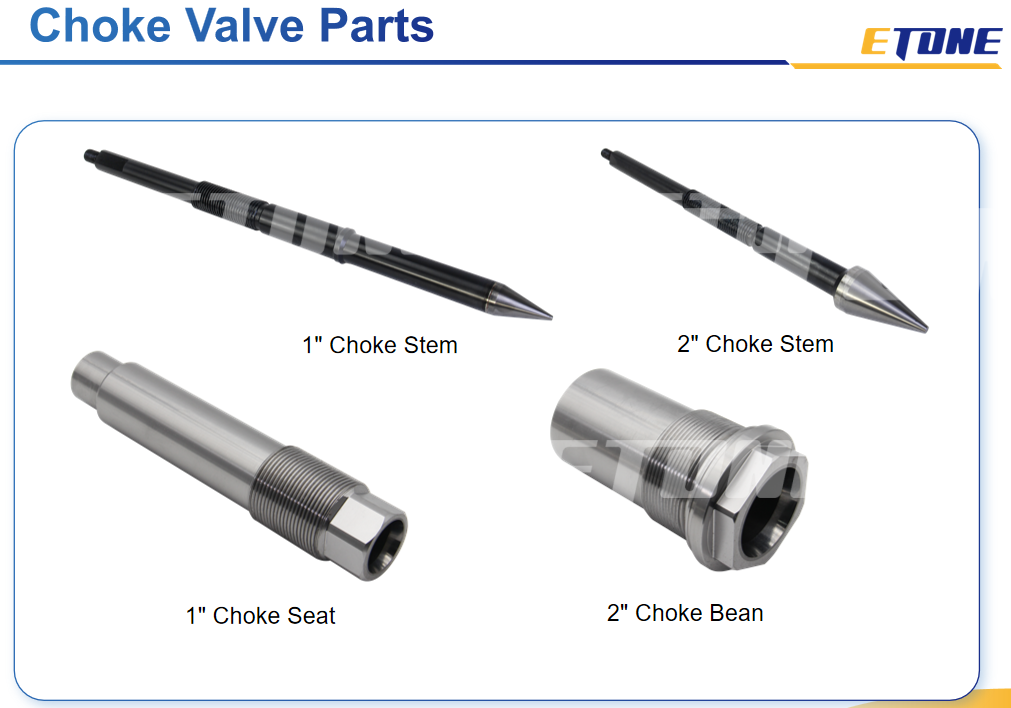
Choke Valve Parts: Sintered tungsten carbide stem needles, carbide seat inserts, and positive choke beans.
Relief Valve Kits: These kits consist of precision‑calibrated pop‑off springs, precision‑ground valve discs, and heavy‑duty high‑pressure seat inserts.
All parts produced by Etone Oil go through full‑scope quality validation: 100‑percent CMM dimensional inspection, PMI material authentication and hydrostatic pressure testing. Such strict quality checks ensure direct drop‑in compatibility and consistent high‑pressure sealing capability even under harsh field operating environments.
Partner with Etone Oil to optimize your pump maintenance program and eliminate unnecessary downtime.
Visit www.etoneoil.com today to view our full online product catalog, access technical documentation, or contact our engineering sales team at pe@etoneoil.com for a commercial quote within 24 hours.