A high-pressure pump is an important part of the power supply in high-pressure operation. Choosing the right filler directly determines the normal operation time, storage efficiency, and safety of the equipment. Corrosive fluid, high-intensity working pressure, and high linear return speed are all challenges to the sealing ring.
To extend the service life of sealing systems, design engineers and maintenance specialists should avoid ordinary off-the-shelf packing products. Premium packing sets adopt customized polymer blends, reinforced elastomers and cutting-edge composite substrates. Matching application scenarios with proper packing materials can slow component abrasion, eliminate sudden blowout breakdowns, and slash overall operating costs for equipment handling aggressive fluids.
1.Fundamental Sealing Dynamics
High-pressure pump packing rings create a dynamic barrier between reciprocating plungers and fluid end stuffing boxes. Unlike low-pressure gland packing that relies solely on mechanical gland nut compression, high-pressure pressure-actuated packing utilizes hydraulic fluid pressure to expand seal lips directly against the plunger and stuffing box bore.
Operating pressures exceeding 15,000 PSI (103 MPa) generate immense frictional heat and mechanical shear forces. High stroke velocities cause intense thermal stress along dynamic contact surfaces. The ideal packing material must maintain dimensional stability, low friction coefficients, and structural flexibility to handle continuous pressure cycling without extruding into mechanical clearances.
2.Flexible Graphite Composites
For high-temperature fluids and corrosive chemical settings, expanded flexible graphite is a top-tier packing solution. Flexible graphite packing rings are reinforced with fine fiber bases or carbon fiber edging to elevate tensile strength under massive hydraulic loads.
Boasting intrinsic self-lubricating capabilities, flexible graphite minimizes friction contact with accurately polished plunger rods. It maintains structural integrity at temperatures as high as 450°C in oxidative surroundings, and can withstand roughly 3,000°C in non-oxidizing working environments. Nevertheless, plain graphite offers weak anti-extrusion capability against abrasive slurries, so composite graphite designs are required for plunger pumps under extreme working loads.
3. Custom Modified PTFE Compounds
PTFE has excellent corrosion resistance, it can resist almost all corrosive acids and alkaline liquids, and unfilled PTFE has an extremely low friction coefficient, which can effectively reduce starting friction and reduce the wear of the column surface. However, pure PTFE has one drawback, it is more likely to deform under strong pressure.
4.Aramid & Synthetic Fiber Materials
Soft polymer sealing materials degrade quickly while conveying fluid media mixed with sand, proppants and metallic grit. Aramid fibers including Kevlar feature exceptional tensile strength and superior cut resistance, surpassing steel wire when measured by equivalent weight.
Long-strand aramid yarns are woven into rugged packing rings by manufacturers, while spun aramid fibers can also be compression-molded into anti-extrusion back-up rings. Aramid-based packing stands up to harsh mechanical impact, and shields softer main sealing components from erosion caused by abrasive solid particles in high-pressure fracturing and slurry pumping workflows.
5.Elastic Support Ring Materials
Hydrogenated Nitrile (HNBR)
Offers great mechanical robustness, oil resistance and heat resistance to 150°C; widely adopted for fracturing pumps in oilfield operations.
Fluoroelastomer (FKM / Viton)
Features unmatched chemical stability and high-temperature resistance of 200°C for acidic and aggressive hydrocarbon service environments.
FEPM (Aflas)
Strongly resists amine inhibitors, steam, and high-pH completion fluids used in well operations. Perfluoroelastomer (FFKM)
Compatible with nearly all chemical substances, perfectly suited for ultra-harsh chemical processing and harsh solvent pumping applications.
6.Fabric-Reinforced Elastomer Composites
Solid rubber packing rings tend to extrude through the gaps between packing glands and plunger rods when exposed to extreme pressure. Laminating synthetic rubber with robust cotton, nylon or aramid textile layers stops extrusion deformation completely without sacrificing the elastic flexibility of the base rubber.
Fabric-strengthened rubber V-type packing rings serve as the core supporting component of multi-piece packing assemblies. Internal textile laminations withstand intense hydraulic impact loads, resist layer separation, and preserve the original sealing geometry even under sudden pressure surges above 20,000 PSI.
7.Multi-Ring Packing Configurations
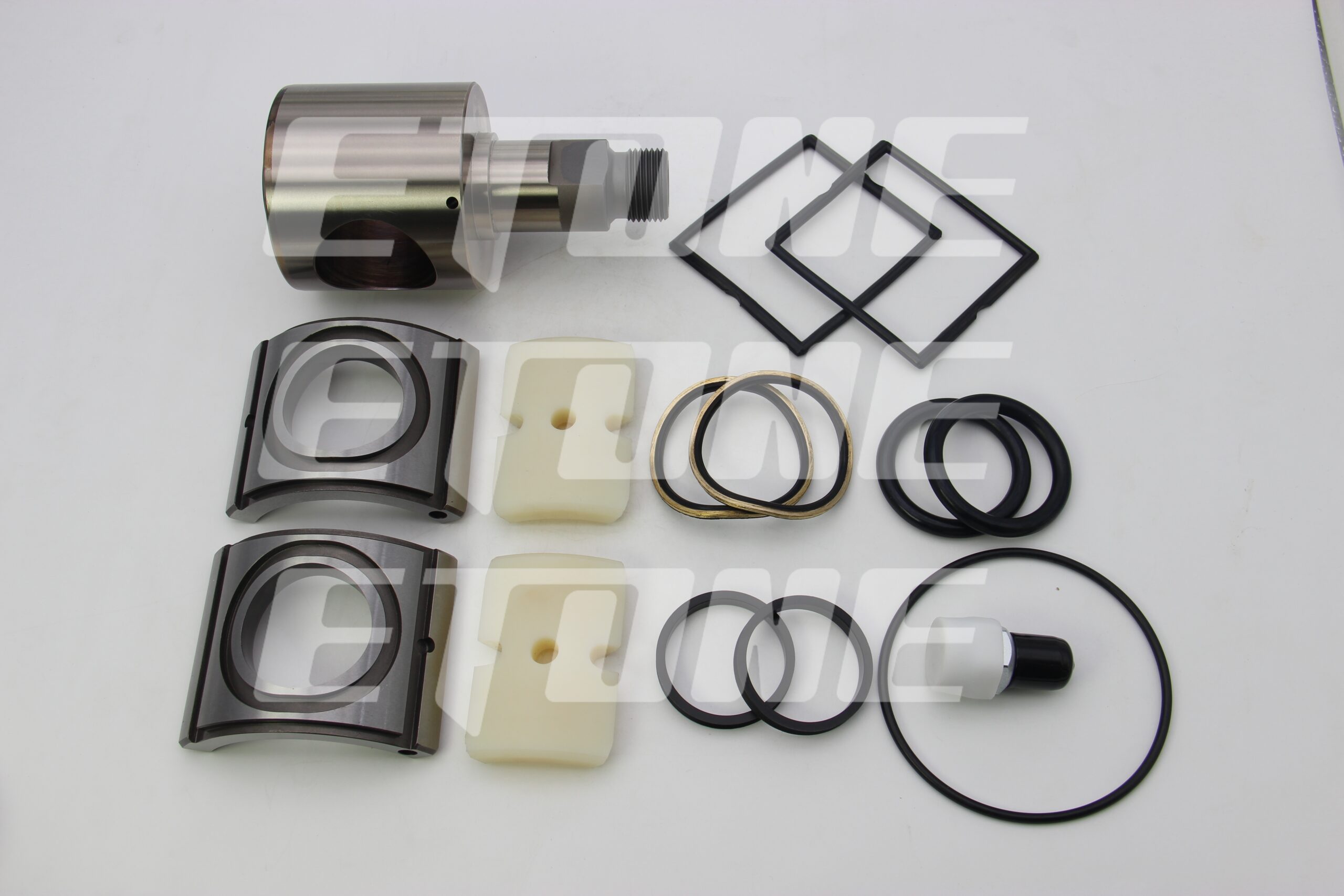
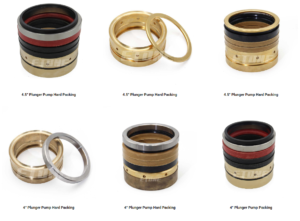
High-pressure pump stuffing boxes rarely utilize a single packing material. Instead, engineers design hybrid packing stacks (V-packing or chevron sets) that combine complementary material properties across distinct functional ring positions.
Top Adapter Ring (Pressure Ring): Constructed from rigid PEEK or fabric-reinforced aramid to prevent extrusion into the stuffing box gap.
Intermediate V-Rings (Sealing Elements): Composed of filled PTFE or fabric-reinforced HNBR to provide low-friction dynamic pressure containment.
Bottom Adapter Ring (Header Ring): Formed from bronze or high-strength thermoplastic to support the stack and distribute gland load evenly.
Lantern Ring (Lubrication Spacer): Machined steel or bronze ring situated between packing sets to inject flushing fluid or oil film lubrication.
8.Comparative Performance Matrix
Evaluating packing materials requires balancing chemical compatibility, temperature limits, mechanical strength, and wear resistance. Review this comparative performance breakdown to streamline material selection:
| Packing Material Class | Max Working Pressure | Temperature Range | Abrasion Resistance |
| Filled PTFE Formulations | High (10,000+ PSI) | -200°C to +260°C | Moderate |
| Fabric-Reinforced HNBR | Extreme (15,000+ PSI) | -30°C to +150°C | High |
| Aramid Composite Fibers | Extreme (20,000+ PSI) | -100°C to +280°C | Outstanding |
| Engineered PEEK / UHMW-PE | Ultra-Extreme (25,000+ PSI) | -50°C to +250°C (PEEK) | Exceptional |
9.Material Selection Framework
For Clean Hydrocarbons & Water: Deploy Bronze-filled PTFE intermediate rings paired with fabric-reinforced HNBR adapters.
For Abrasive Frac Slurries & Drilling Mud: Utilize Kevlar-reinforced header rings combined with UHMW-PE and fabric-reinforced HNBR V-rings.
For High-Temperature Acidizing Fluids: Install Glass-filled PTFE or carbon-filled PTFE intermediate rings with FKM / PEEK anti-extrusion components.
10.Precision Machining for Pump Fluid Ends
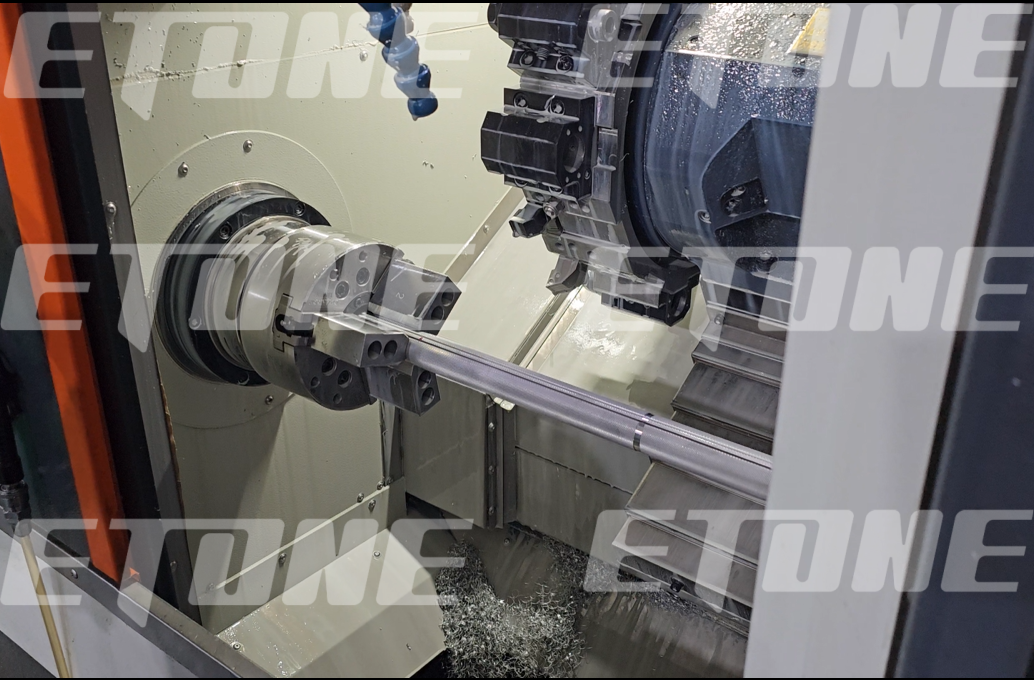
Top-tier packing materials will still suffer early failure when fitted into inaccurately machined stuffing boxes or matched with coarsely finished plunger rods. The dimensional geometry and surface smoothness of mating metal components exert a decisive influence on sealing service lifespan.
Stuffing box cylinders demand rigid concentricity control, standardized chamfer angles and refined internal surfaces limited to Ra 0.8 μm. Plungers are treated with professional spray metallurgy coatings including tungsten carbide and chrome oxide, then ground to a mirror-smooth surface of Ra 0.1–0.2 μm to reduce frictional abrasion against packing sealing edges.
11.Reasons to Collaborate with Etone Technology
Etone Technology specializes in oil equipment and high-precision CNC machined parts. With ISO 9001:2015 and IATF 16949:2016 certifications, it is a reliable factory in China. Our long-lasting metal components deliver flawless compatibility with high-performance sealing packing assemblies.
Precision Fluid End Parts
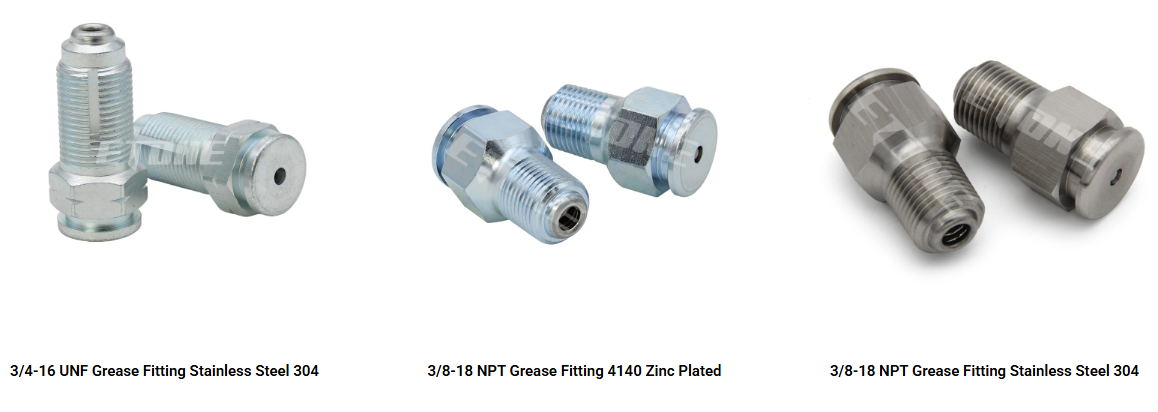
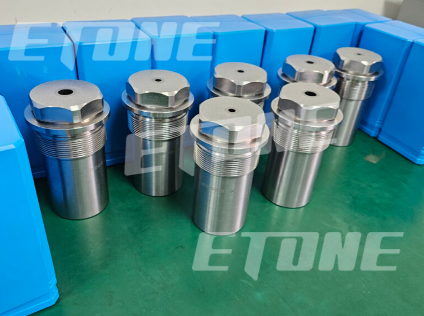
Custom-machined stuffing boxes, packing glands, lantern rings, plunger rods and valve seats manufactured to stringent dimensional tolerances.
Diversified Premium Material Processing
Covers the processing of most metal materials available on the market
Comprehensive Quality Validation
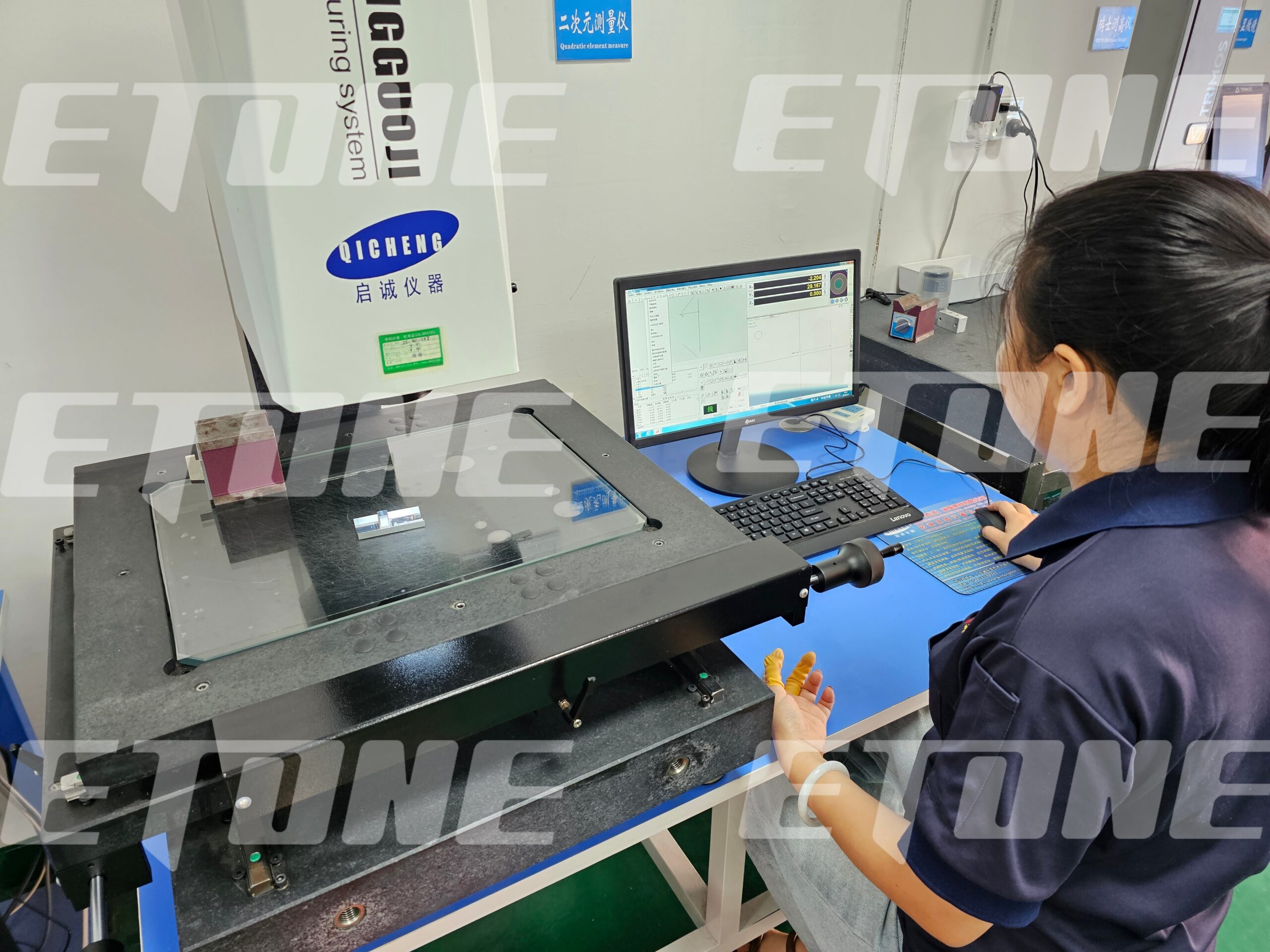
All production batches undergo full 3D CMM dimensional scanning, non-destructive MPI and UT testing, plus full material traceability with EN 10204 3.1 certified test reports.
FAQ
Q1: What core distinctions separate pressure-activated packing from conventional compression packing?
Pressure energized packing assemblies, including chevron V-ring sets, leverage the equipment’s internal hydraulic pressure to push seal lips firmly against plunger surfaces. Sealing tightness automatically improves as working pressure rises. By contrast, standard compression packing solely depends on manual tightening of the packing gland nut, which elevates sliding resistance and generates excess operational heat.
Q2: How does the surface texture of plunger rods impact packing service lifespan?
Coarse plunger surfaces function similarly to abrasive sandpaper, rapidly wearing down the moving sealing edges of packing components.
Optimize Your High-Pressure Pump Performance
Need Precision Machine Components for Your High-Pressure Fluid Ends?
Contact Etone Technology today. Send us your engineering drawings for stuffing boxes, packing nuts, plungers, or fluid end blocks. Our technical team will deliver a detailed DFM evaluation and competitive quotation within 24 hours.
Email: pe@etoneoil.com | Website: https://etoneoil.com