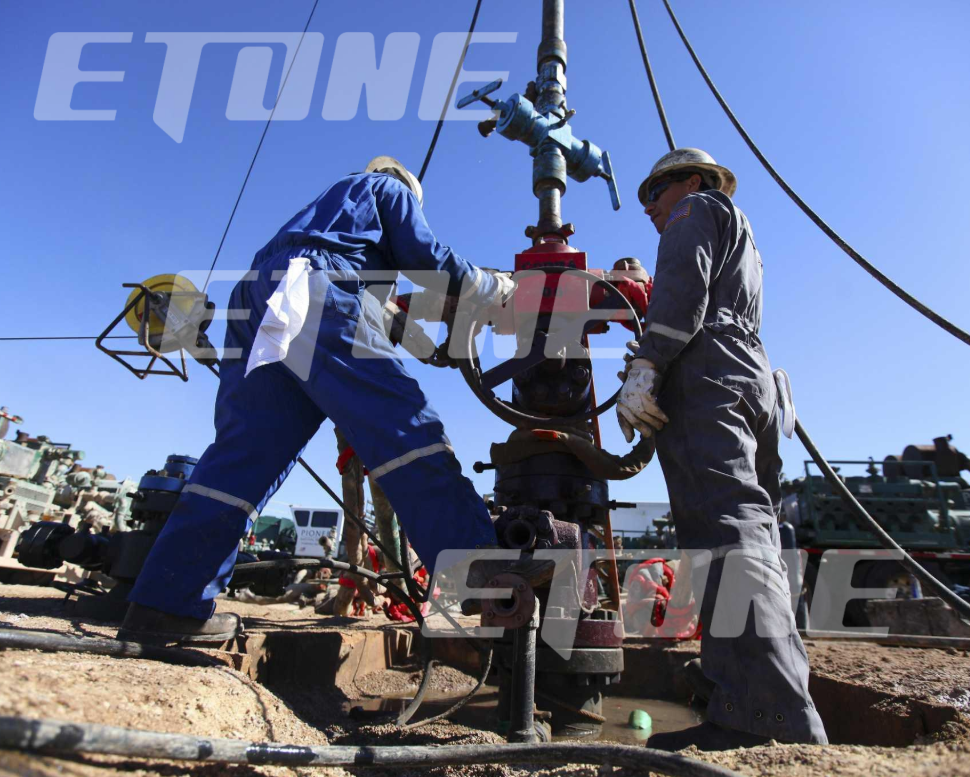
Modern oil and gas exploration subjects downhole and surface equipment to extreme operating conditions, including ultra-high pressure and corrosion from acidic gases. Extreme oilfield operating environments mean even microscopic machining defects can compromise equipment functionality, sealing efficiency, pressure stability and overall service lifespan. To manufacture sturdy, long-lasting and high-precision oilfield components, manufacturers must enforce tight machining tolerances, premium surface quality and rigorous quality control standards.
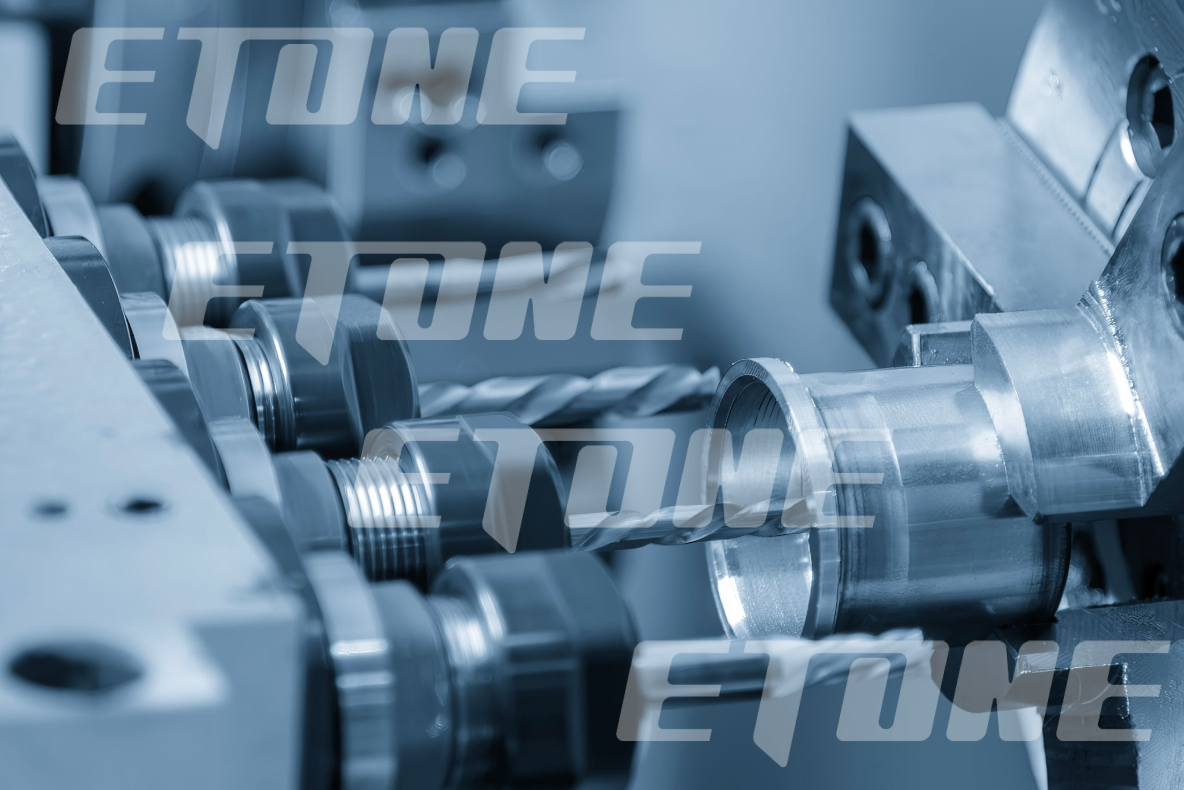
Computer Numerical Control (CNC) turning is a core process for manufacturing precision oilfield hardware and custom oilfield spare parts. This process enables strict control over the dimensions and tolerances of rotationally symmetric workpieces. When these precision oilfield components, produced through turning, are installed in complete equipment units, they can effectively reduce wear, corrosion, and other issues. This technical overview investigates the ways high-precision CNC turning boosts the dependability of oilfield parts, minimizes non-productive time (NPT), and brings total lifecycle economic advantages to energy enterprises.
Why Precision Matters in Oilfield Components
Oilfield equipment operates under strenuous field conditions, exposed to intense pressure, abrasive media, corrosive agents, frequent temperature shifts, and repetitive mechanical motion. Even components that pass standard dimensional checks may lead to field malfunctions without precise control over their critical surfaces, thread profiles, concentricity, and sealing interfaces.
Minor dimensional errors in valve parts disrupt the fit of mating surfaces, while imprecise cylindrical pump structures raise friction and hasten component wear. Precision CNC machining effectively addresses these potential operational risks and stabilizes equipment performance.
CNC turning delivers highly consistent dimensional accuracy in strict accordance with engineering drawings and machining standards. This uniformity is critical for OEM products and replacement parts, enabling custom oilfield spare parts to perfectly match existing equipment without additional assembly adjustments.
Additionally, this machining technology optimizes part concentricity. Most oilfield hardware features cylindrical surfaces, inner bores, shafts, sleeves, and threads; precise CNC machining alignment prevents uneven load bearing and premature component wear, greatly improving part reliability.
Customizable surface finish is another key advantage. CNC turning parameters can be adjusted based on component materials and functional needs to optimize friction, sealing performance and service life, making surface finish a core functional indicator rather than a mere aesthetic standard. Validated CNC machining programs and parameters also support stable, repeatable production, ensuring uniform quality across different batches of oilfield replacement parts.
Common Oilfield Components Manufactured by CNC Turning
CNC turning excels at producing cylindrical and rotational oilfield components, with final solutions tailored to equipment design, material specs, dimensions, tolerances, and service environments.
Valve Components
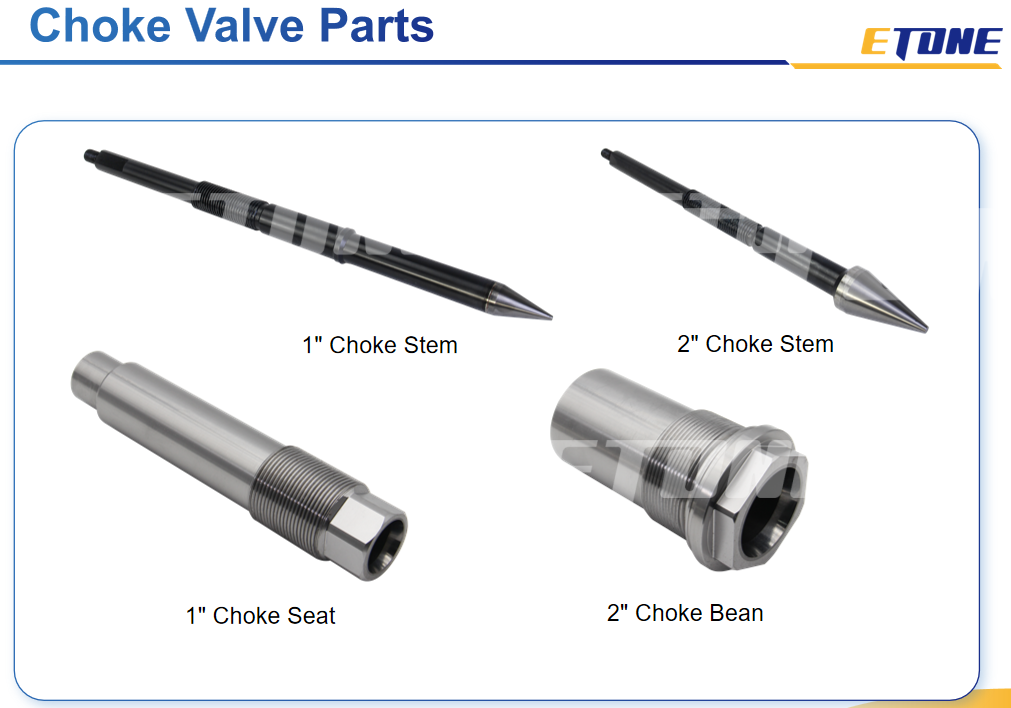
Oilfield valves regulate fluid flow and pressure; their internal parts must withstand tough working conditions. CNC turning fabricates valve stems, seats, plugs, sleeves, bushings, bonnet and threaded parts, as well as custom valve inserts. For equipment maintenance and refurbishment, custom CNC-machined valve replacements can be produced from original drawings, samples or worn components.
Choke Valve Parts
Choke valves manage fluid flow during oil and gas production. Their parts endure high pressure, high flow velocity, and abrasive media, demanding tight precision for flow-control and sealing surfaces. Full choke valve assemblies often combine CNC turning with milling, drilling, or grinding. Suppliers must fully understand both dimensional specifications and field operating conditions.
Plug Valve Components
Widely adopted in oilfield fluid control systems, plug valve machined parts cover plugs, stems, seats, sleeves, bushings, threaded hardware and custom spares. Precise geometry and consistent dimensions from CNC turning guarantee proper mating between plugs and adjacent parts for stable operation.
Plunger Pump Components
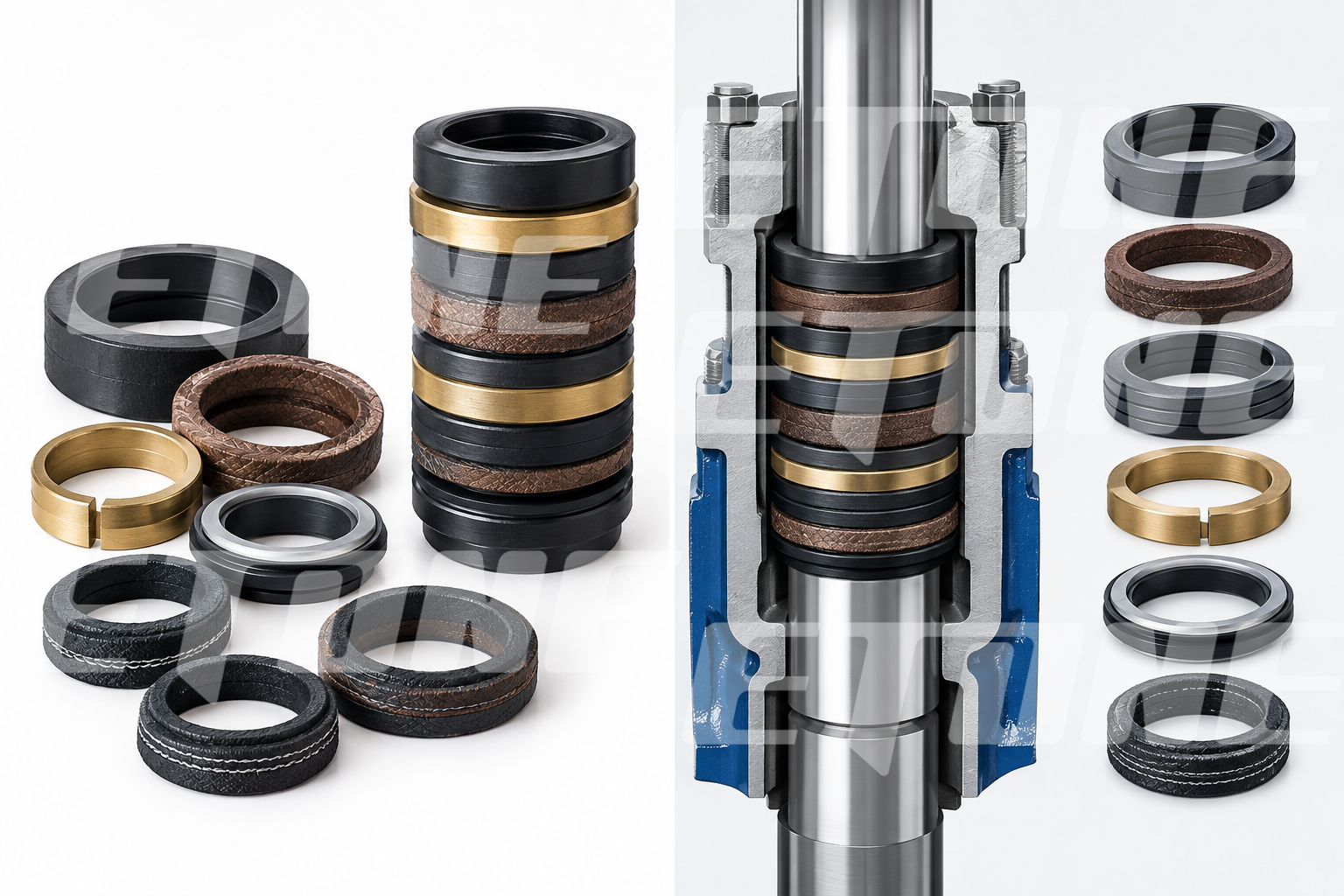
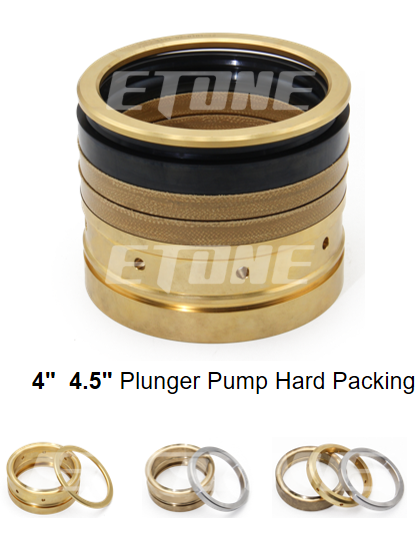
Plunger pumps serve high-pressure scenarios and require parts resistant to cyclic mechanical motion.CNC turning manufactures a full range of cylindrical pump components, including shafts, sleeves, pins, and bushings. When combined with premium material grades and professional surface treatment processes, high-precision machining effectively enhances wear resistance and minimizes dimensional deformation, delivering durable and reliable solutions for plunger pump replacement parts.
Bushings and Sleeves
Though structurally simple, bushings and sleeves rely on precise dimensions to secure good assembly. Deviations in inner/outer diameter or length may cause excessive clearance, assembly difficulty, extra friction, shaft shifting, premature wear, and vibration. CNC turning delivers accurate control over internal and external cylindrical sizes, supporting custom oilfield bushings made per drawings or samples for replacement use.
How CNC Turning Improves Oilfield Part Reliability
Reliability stands as a top priority for oilfield component manufacturing. Reliable parts must retain their mechanical performance and dimensional integrity over their full service life, and CNC turning helps achieve this goal in multiple aspects.
Critical dimensions directly govern part functionality, covering bore diameter, outer diameter, overall length, thread and groove sizes, shoulder locations, sealing and mating dimensions. CNC turning holds these features within predefined tolerance limits.
While strict tolerance control matters for high-demand functions, unnecessarily tight tolerances raise machining time and production costs without bringing extra performance gains. Instead of applying maximum tight tolerances to all features, a qualified manufacturer will distinguish critical dimensions for precision oilfield components and apply targeted precision control, balancing part reliability and manufacturing economy.
Material Selection for CNC Machined Oilfield Parts
Precise CNC machining alone cannot ensure the long-term reliability of oilfield components, as rational material selection plays an equally decisive role. Oilfield components withstand fluctuating pressure, extreme temperatures, corrosive media, and mechanical wear, making material selection highly dependent on targeted mechanical properties and practical application scenarios.
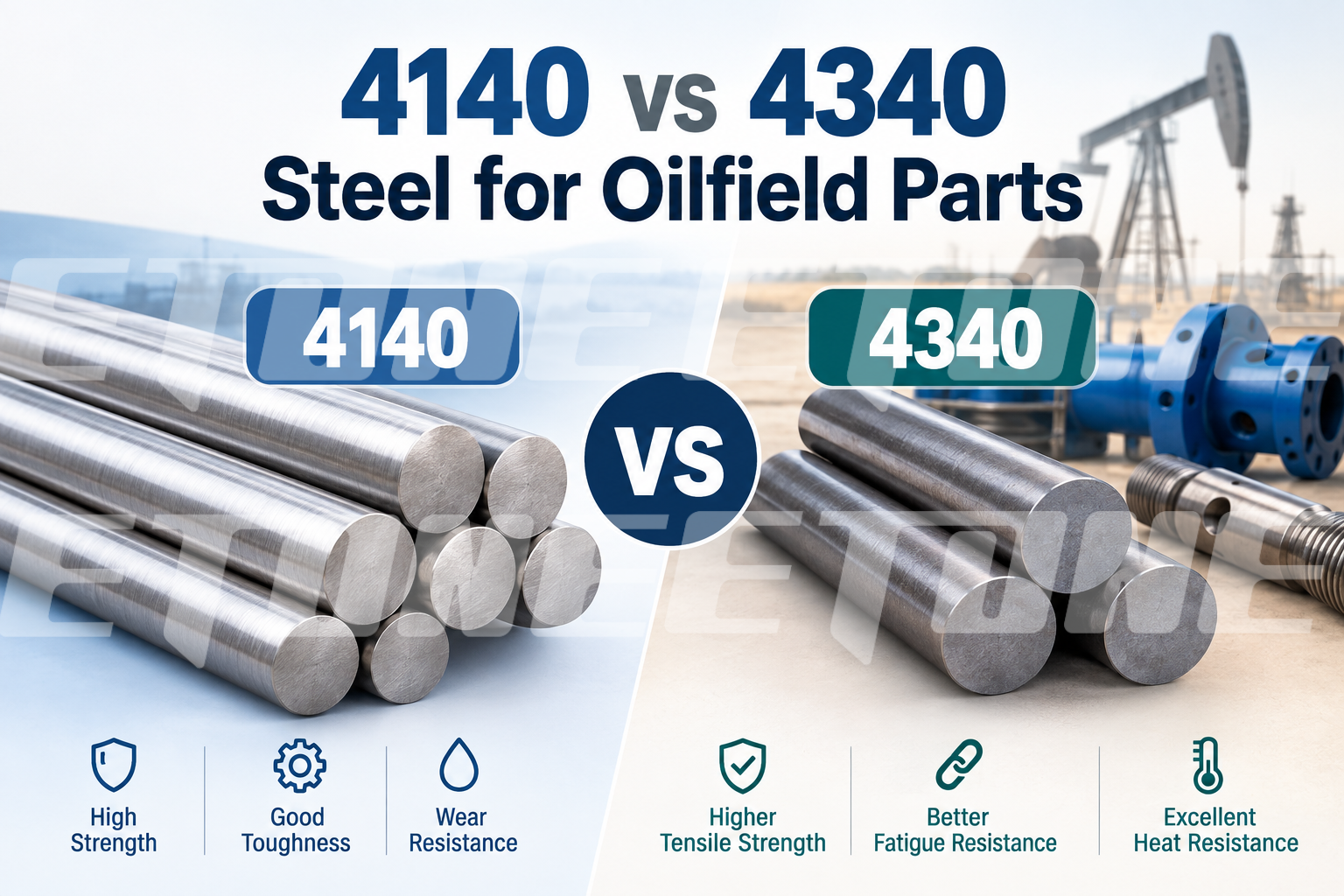
Typical material options for CNC-machined oilfield components encompass various engineering metals, such as carbon steel, alloy steel, 4140/4340 alloy steel, 304/316 stainless steel, brass, bronze and aluminum alloys. Featuring exceptional strength and toughness, 4140 and 4340 alloy steels are well-suited for rigorous working conditions, whereas stainless steel is widely adopted for its outstanding anti-corrosion performance in corrosive service environments. The optimal material is always determined by equipment design and actual operating environments.
For custom CNC-machined oilfield spare parts, material certificates and inspection reports are often provided to comply with customers’ standardized quality management systems.
CNC Turning vs. Conventional Machining for Oilfield Parts
While both CNC turning and conventional machining are capable of fabricating metal components, they deliver distinct production performance, especially for high-precision oilfield parts. CNC turning stands out with comprehensive strengths that make it more adaptable to professional oilfield manufacturing requirements.
CNC turning provides superior process repeatability. Once the machining program gets validated, it may be reused throughout batch production to sustain steady dimensional consistency for all components. Featuring multi-functional processing capacity, modern CNC lathes are capable of completing turning, threading, grooving, drilling, and boring within one clamping cycle to handle complex and diverse part geometries. High automation lowers human error and manual workload, markedly lifting production efficiency for recurring orders.
Digitally controlled machining processes effectively reduce part-to-part deviations and stabilize overall product quality. Additionally, CNC turning perfectly supports low-volume manufacturing and personalized customization, which fits the common demand for small-batch, non-standard replacement parts in the oil and gas industry, unlike conventional machining that is more suitable for standardized large-scale production.
Why Custom CNC Machining Is Important for Oilfield Spare Parts
Oilfield equipment features diverse setup configurations, and these machines regularly receive modifications, servicing, or upgrades during operation. For this reason, matching replacement components are frequently unavailable as standard stocked items, demonstrating the essential value of custom CNC machining for oilfield spare parts.
Suppliers are able to manufacture bespoke components using CAD models, engineering blueprints, physical samples, worn original workpieces, technical requirement sheets, or dimensional measurements submitted by customers. When undertaking spare part replication projects, suppliers must first verify the geometry and critical dimensions prior to manufacturing. This pre-production check mitigates the risk of delivering parts that appear visually matched yet fail to fit and function correctly on the field equipment.
How to Choose a CNC Machining Supplier for Oilfield Parts
Selecting a CNC machining partner for oilfield components differs significantly from sourcing general industrial parts. Several key factors should be assessed when vetting a prospective supplier.
Start by assessing the supplier’s CNC equipment lineup to verify that their CNC turning machines can accommodate your component dimensions and tolerance specs. Assess their engineering proficiency; a seasoned engineering team is able to detect potential manufacturing hurdles in advance and optimize production processes. The supplier must also possess deep material knowledge, understanding the performance of various metals during turning, threading, boring, and surface finishing operations.
Verify their inspection capacity by enquiring about methods and documentation procedures for measuring critical dimensions. For non-standard parts, confirm their acceptance of custom drawings, physical samples and small-batch custom orders. Prior hands-on experience manufacturing valve assemblies, pump components and pressure-control hardware enables the supplier to fully grasp oilfield functional demands. For long-term cooperation, stable production capacity and dependable delivery schedules carry equal weight alongside machining expertise.
Etone Oilfield Spare Parts and Precision Machining
At Etone Oil, our focus is on developing and supplying precision metal components and oilfield spare parts for demanding industrial applications.
Our product range includes:
Flapper Check Valve Repair Kits
Other custom oilfield spare parts
Precision machining is an important part of producing many metal components used in oilfield equipment.
For customers with non-standard requirements, custom manufacturing can be based on technical drawings, samples, dimensions, or application requirements.
Our approach focuses on more than simply manufacturing a metal component. The objective is to provide parts that can be properly integrated into the customer’s equipment and maintenance process.
For precision oilfield components, details such as material, dimensional tolerance, surface finish, thread accuracy, and inspection requirements can all affect final performance.
If you are looking for CNC machined oilfield components, precision oilfield parts, custom valve parts, pump components, or replacement oilfield spare parts, send us your drawings, CAD files, samples, or part specifications. Our team (pe@etoneoil.com or +86 135 3728 5097) can review your requirements and help determine a suitable manufacturing solution and quotation.