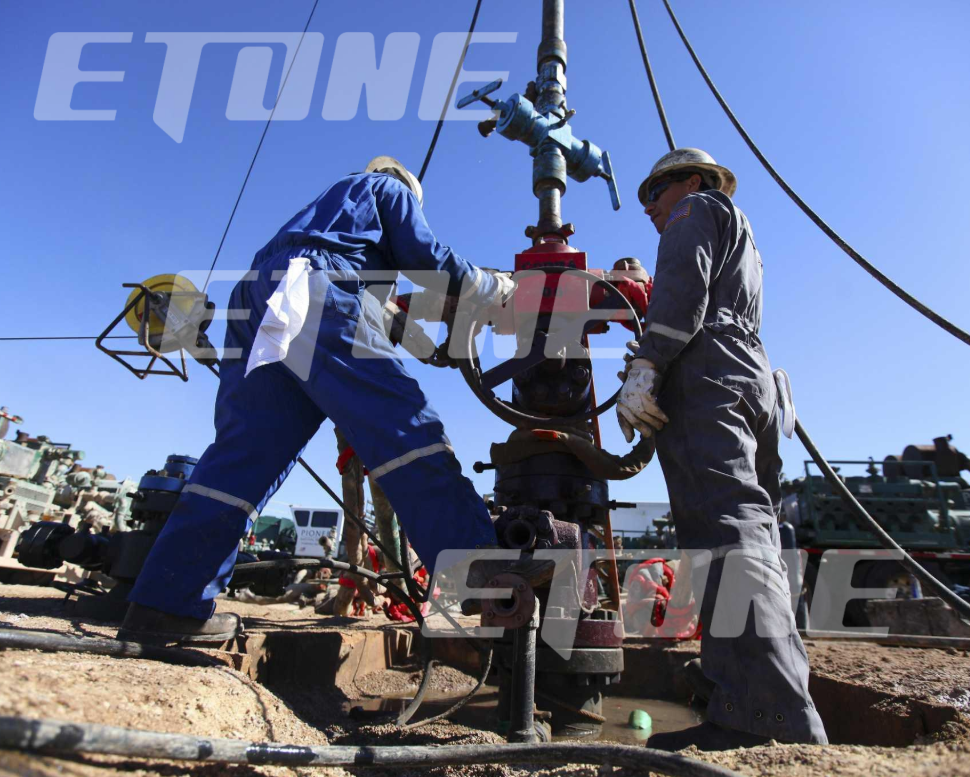
In well testing, hydraulic fracturing flowback, managed pressure drilling (MPD), and wellhead control manifolds, the oilfield choke valve is the vital fluid-throttling device. Operating under severe working pressures ranging from 5,000 PSI to 15,000 PSI (and up to 20,000 PSI in HPHT environments), choke valves control flow rates and drop upstream wellbore pressure to manageable downstream levels.
Because choke valves intentionally restrict high-velocity fluids laden with abrasive frac sand, formation cuttings, and corrosive gas mixtures, internal wear is inevitable. Understanding the main components of an oilfield choke valve—and selecting high-precision replacement Choke Valve Parts—is essential for preventing catastrophic washouts, maintaining operational safety, and reducing costly Non-Productive Time (NPT).
1. Anatomy of an Oilfield Choke Valve: Key Component Breakdown
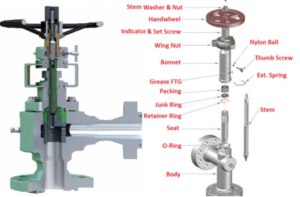
An oilfield choke valve consists of heavy-duty pressure-containing outer housing components and high-precision replaceable internal trim parts. Below is the technical breakdown of the primary components that make up both positive (fixed) and adjustable choke valve configurations.
A. The Valve Body (Housing)
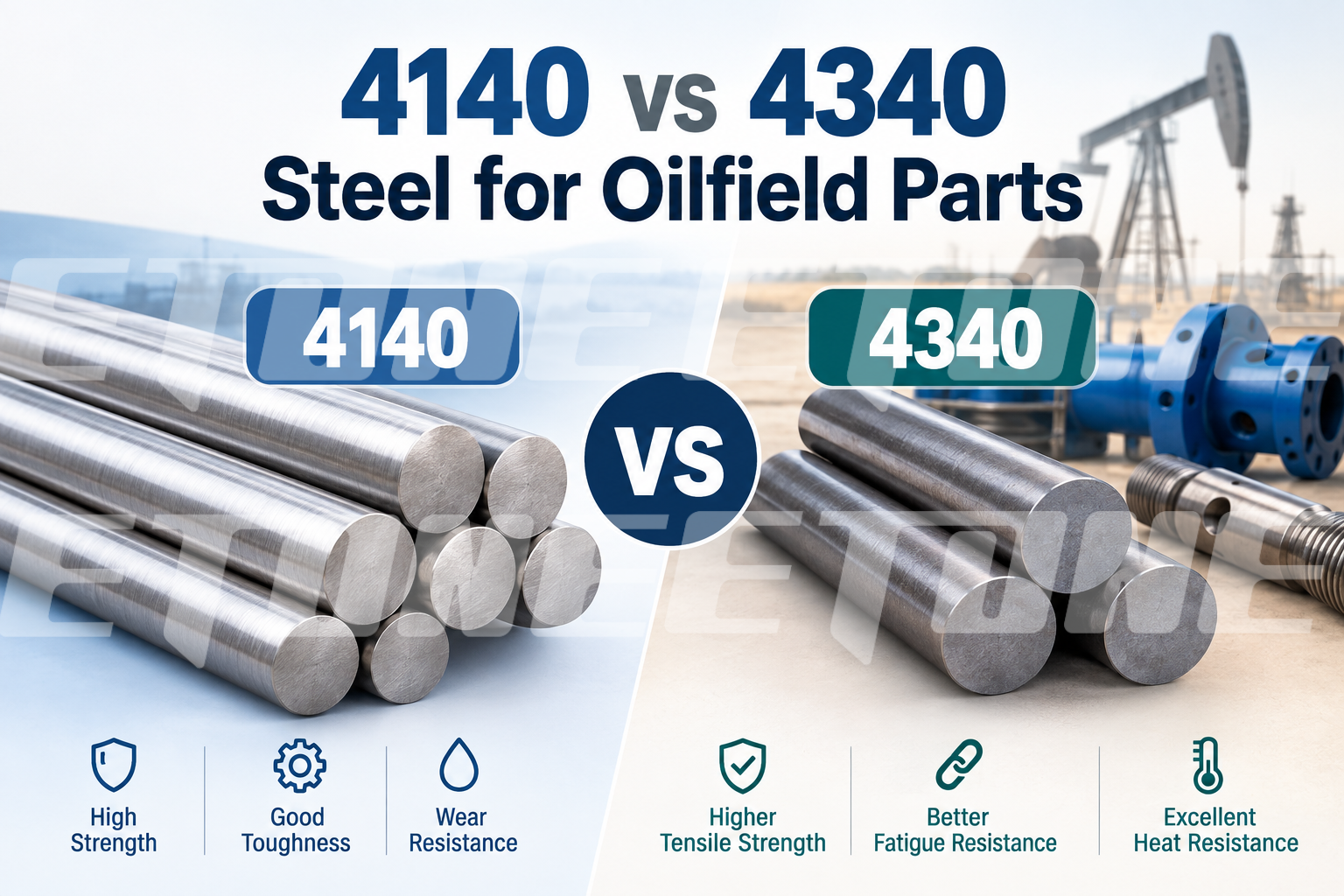
Serving as the main pressure-retaining outer enclosure, the valve body is commonly fabricated from forged alloy steel including AISI 4130 and 4140, complying with API Spec 6A specifications. It adopts either an angular or straight‑through flow channel to divert high-pressure fluid across its internal throttling section. Fitted with API studded/flanged joints or hammer unions such as Fig 1502 and Fig 1002 at both ends, the valve body enables smooth connection to flow‑line assemblies.
B. Choke Bean (Positive Choke)
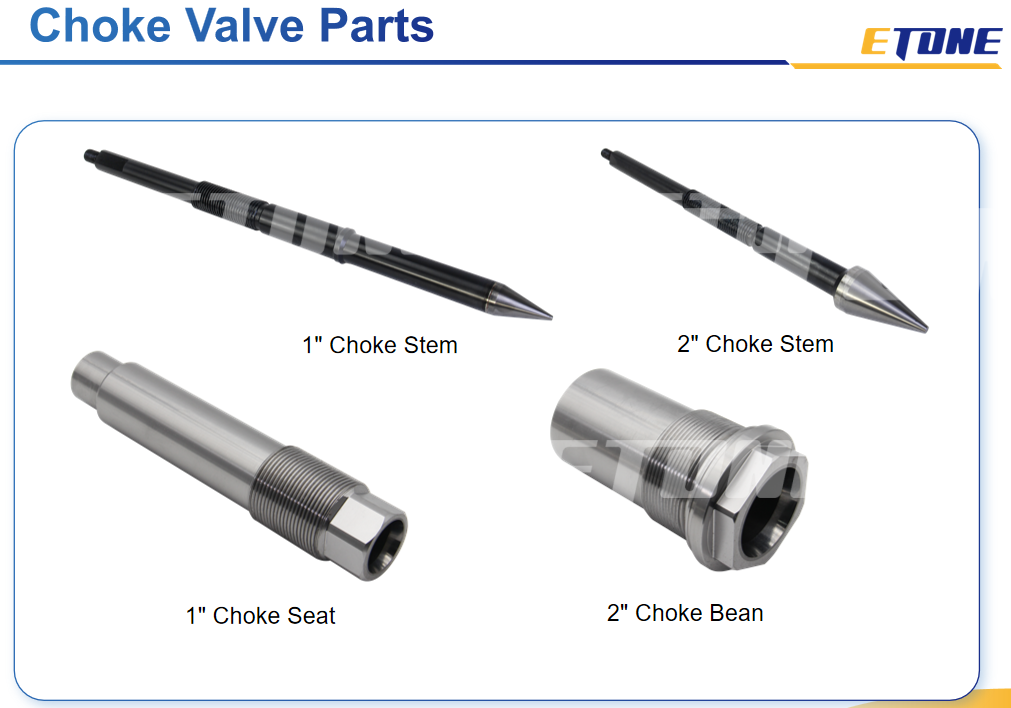
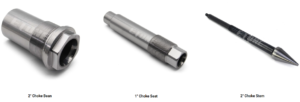
For positive‑style fixed choke valves, flow capacity is controlled by a swappable orifice insert called a choke bean.
Design & Sizing: Choke beans consist of a steel outer body lined with high‑precision ceramic or monolithic tungsten carbide material. Orifice dimensions are measured in 1/64‑inch increments; for instance, a 32 choke bean corresponds to a 32/64” (1/2”) bore opening.
Wear Performance: High‑speed slurry flows straight through the bean’s inner bore, so the embedded tungsten carbide sleeve acts as the core defence against erosive damage.
C. Stem Needle and Seat Assembly (Adjustable Choke)
Adjustable choke valves dynamically alter the flow opening by moving a tapered needle in and out of its matched cylindrical seat.
Stem Needle: This heavy‑duty shaft comes with a solid tungsten carbide tip, attached to the stem rod via silver brazing or mechanical locking. Its tapered geometry delivers accurate modulation of flow volume and pressure drop.
Seat Insert: This hardened steel ring incorporates a solid tungsten carbide liner, forming the mating throttling orifice that works against the stem needle.
D. Bonnet Cap and Drive Mechanism
The bonnet secures the internal trim within the valve body:
Manual Handwheel / Actuator: Drives the stem needle forward or backward via heavy Acme threads.
Position Indicator: Features a graduated scale calibrated in 64ths of an inch, allowing field engineers to visually confirm exact orifice opening dimensions.
E. Dynamic Stem Packing & Static Bonnet Seals
High-pressure containment around moving internal components requires specialized sealing elements:
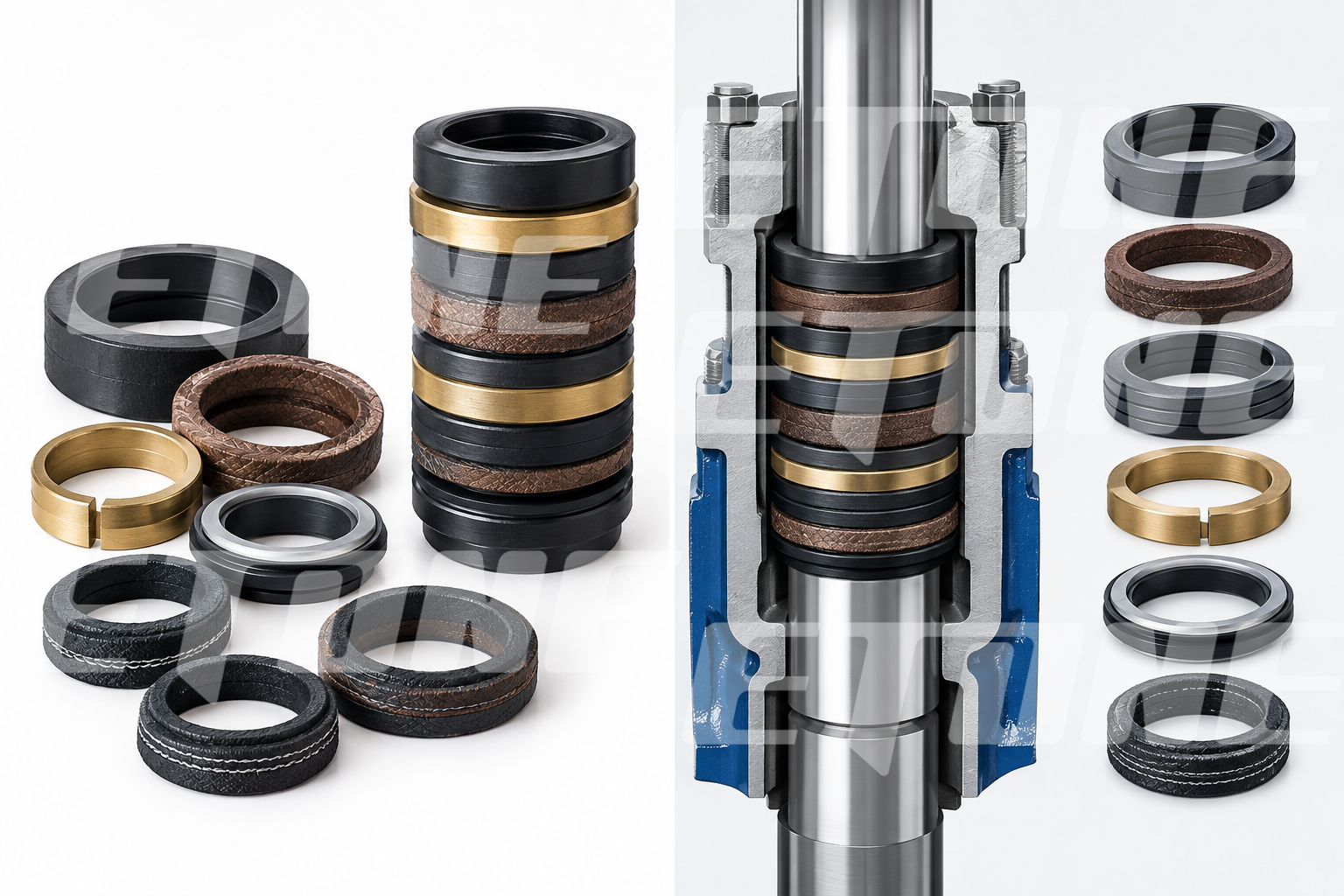
Stem Packing Set: Multi-ring chevron V-packing sets manufactured from HNBR, Viton (FKM), or PTFE with Kevlar reinforcement. These prevent stem leakage under dynamic travel at 15,000 PSI.
Bonnet O-Rings & Backup Rings: Static elastomer seals paired with PEEK or metallic backup rings to prevent explosive decompression (RGD) during rapid pressure drops.
2. Comparison: Positive Chokes vs. Adjustable Chokes
Selecting the right choke valve design depends on well testing requirements and fluid conditions. Many flowback operations utilize an adjustable choke for initial well cleanup, followed by a positive choke for steady-state production.
| Feature/Attribute | Positive (Fixed) Choke Valve | Adjustable Choke Valve |
| Throttling Mechanism | Replaceable fixed orifice choke bean | Moveable Stem Needle & Seat assembly |
| Orifice Sizing | Fixed (1/64″ increments; e.g.,#16,#24,#32) | Continuously variable (0 to max orifice opening) |
| Primary Application | Long-term production, stable wellhead pressure | Well testing, frac flowback, MPD, well cleanup |
| Erosion Resistance | Extremely high (solid carbide liner) | High (requires premium tungsten carbide tips) |
| MaintenanceComplexity | Low (rapid bean swap via bonnet removal) | Moderate (requires packing &stem calibration) |
| Primary Replacement Parts | Choke Beans, Bean Wrenches, Body Seals | Stem Needles, Seat Inserts, Packing Sets |
3. Critical Failure Modes & Wear Analysis in Choke Components
Because choke valves operate under choked flow conditions—where fluid velocity through the orifice reaches sonic speeds—internal components experience severe mechanical and chemical stress.
Sand Erosion (Washout): Silica sand used in hydraulic fracturing acts like a high-pressure sandblaster. Standard alloy steel trims wash out within hours. Precision-ground tungsten carbide inserts withstand abrasive impact up to 5 × longer.
Cavitation & Micro-Jetting: As fluid drops pressure instantly across the choke seat, vapor bubbles form and collapse violently downstream, causing micro-pitting on the seat face.
Sulfide Stress Cracking (SSC): In sour gas applications, un-tempered steel trim components can crack unexpectedly. All metal choke parts used in sour service must comply with NACE MR0175 / ISO 15156 hardness standards.
4. Complete Oilfield Flow Control Solutions by Etone Oil
At Etone Oil (www.etoneoil.com), we manufacture a comprehensive portfolio of high-precision, CNC-machined replacement parts and overhaul kits for flow control equipment:
Choke Valve Parts: Premium tungsten carbide stem needles, carbide seat inserts, positive choke beans (Cameron, Cameron H2, Willis, and McEvoy style compatibility), stem packing sets, and bonnet seal rings.
Plug Valve Repair Kit: Precision-ground side segments, heat-treated plugs, seal rings, and grease injectors for 1502/1002 low-torque plug valves.
Flapper Check Valve Repair Kit: High-fatigue torsion springs, hardened hinge pins, and CNC-machined flapper plates for high-pressure line isolation.
Relief Valve Repair Kit: Calibrated stainless steel springs, precision-ground discs, and seats for high-pressure mud pump pressure relief valves.
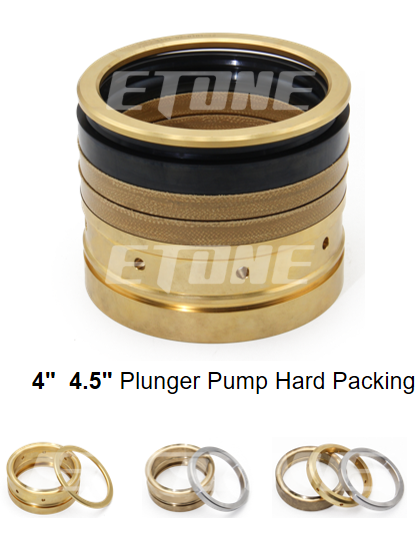
Plunger Pump Packing: Kevlar and HNBR V-packing sets, header rings, and lantern rings engineered for triplex and quintuplex frac pumps.
5. Maximize Choke Valve Service Life with Etone Oil
A well-maintained choke valve manifold is your flowline’s primary protection against pressure surges and fluid erosion. Sourcing precision-ground Choke Valve Parts ensures perfect drop-in fitment, eliminates leakage across the seat, and extends equipment operational cycles in demanding oilfield environments.
Visit www.etoneoil.com today to explore our full online product catalog, request detailed CAD drawings, or contact our engineering sales team for an immediate RFQ quote within 24 hours.
Phone:+86 135 3728 5097