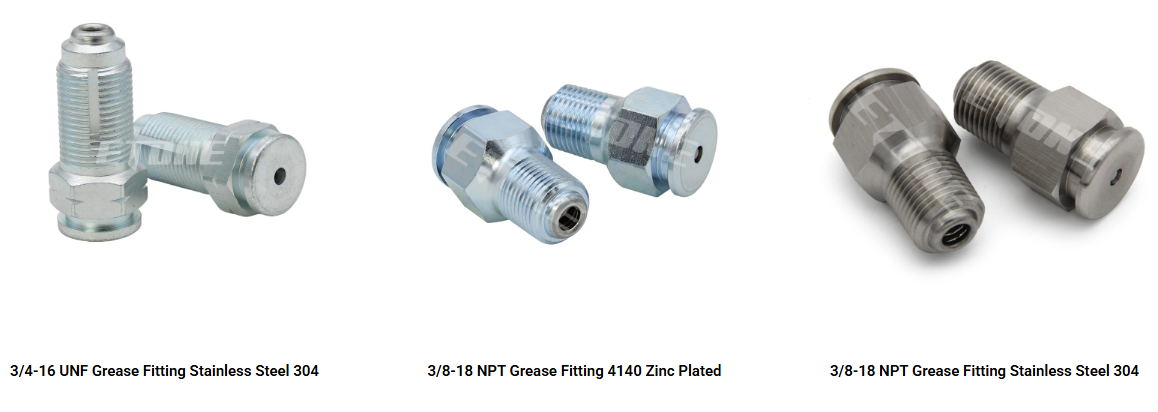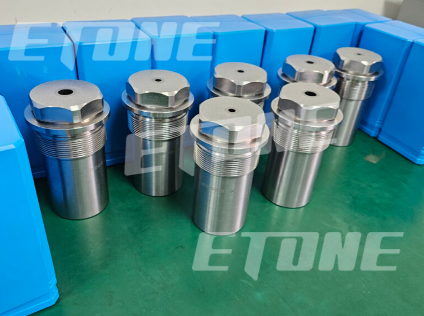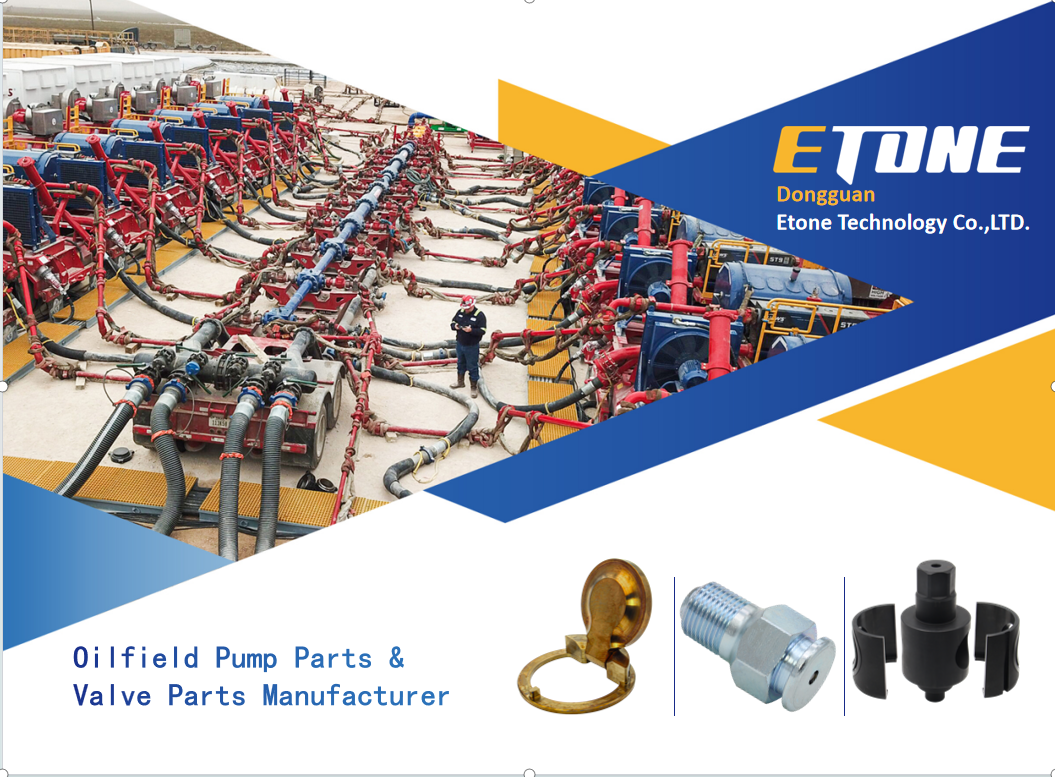
Within high‑pressure oil‑and‑gas field workflows such as hydraulic fracturing, cementing, acid stimulation and well testing, flow‑control hardware endures constant exposure to severe mechanical loads and aggressive chemical environments. As one of the core components installed on flow pipelines, manifold trailers and well‑service assemblies, the plug‑valve performs an irreplaceable safety function. Engineered for fast quarter‑turn shut‑off isolation under working pressures from 5,000 PSI up to 15,000 PSI — with even higher ratings available for special sour‑gas service conditions — plug‑valves serve as critical barriers to prevent pressure drop, dangerous fluid leakage and unplanned production downtime.
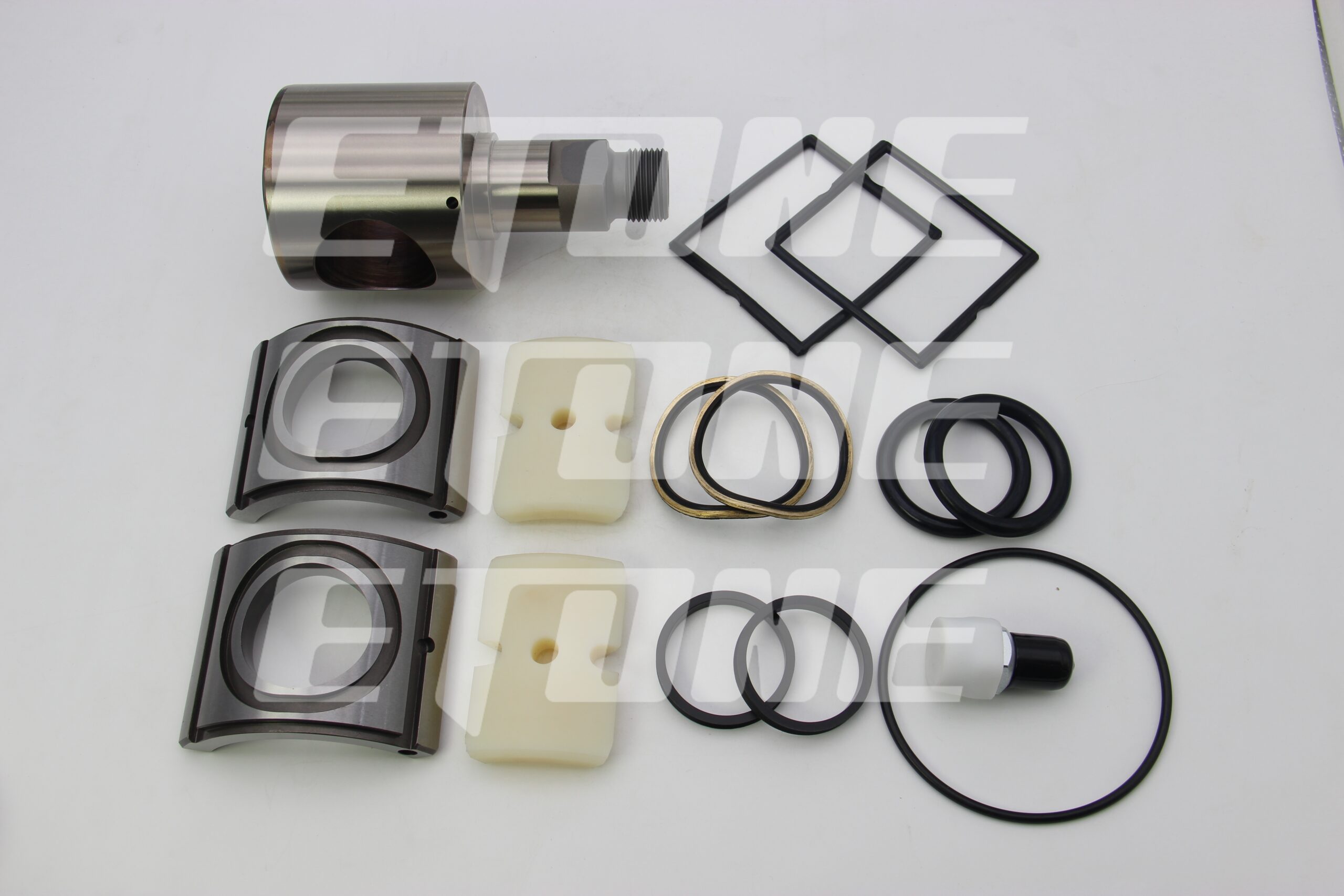
Even so, real‑world field records repeatedly indicate that the service life of a plug‑valve is not primarily determined by its outer housing, but hinges largely upon the performance‑grade of its internal wear‑prone components. Swapping out complete valve units during routine maintenance proves both uneconomical and operationally inefficient. For this reason, field operators turn to premium‑performance plug‑valve repair kits to rebuild pressure‑holding capability, reduce operating torque and prolong the overall service lifespan of existing equipment.
Many on‑site service crews still face unexpected premature part failures, even when following scheduled maintenance protocols. Common problems include heavy fluid washout damage, worn sealing elements, localized surface scoring and untimely mechanical seizing. In the vast majority of these breakdown incidents, early‑stage component failure can be traced to sub‑standard aftermarket spare parts, manufactured with loose dimensional tolerances, poor‑quality base raw materials or non‑uniform heat‑treatment processes.
To maximize equipment uptime, cut down the total cost of ownership (TCO) and strengthen on‑site operational safety, field engineers and procurement managers are increasingly sourcing high‑precision CNC‑machined oilfield replacement components. This in‑depth technical guide breaks down the root causes of plug‑valve degradation, explains how precision CNC production mitigates premature component breakdown, and outlines how high‑specification repair kits deliver long‑term reliable sealing integrity for oilfield flow‑control systems.
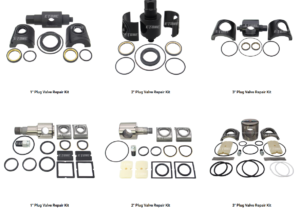
The Core Causes of Early Failure in Low-Tier Repair Kits
When procurement teams purchase low-cost aftermarket replacement parts, initial cost savings are quickly offset by recurring downtime and labor costs. Non-precision repair kits fail early due to several recurring manufacturing defects:
1. Loose Dimensional Tolerances
Parts fabricated through manual machining or outdated turning equipment typically suffer from significant dimensional deviations. When segmented surfaces carry even slight dimensional errors between 0.003” and 0.005”, the internal plug cannot seat evenly. Fluid bypass occurs around the primary seal due to this offset, causing persistent micro‑erosion and early‑stage component wear.
2. Poor Surface Finish & Roughness
For elastomer seal rings and O‑rings, steady, well‑defined surface roughness is essential to preserve pressure integrity and prevent operational damage. Excessively rough metal surfaces abrade and tear rubber and polyurethane seals during plug rotation. On the other hand, overly polished surfaces with no functional cross‑hatching fail to retain lubricating grease, leading to dry metal‑on‑metal contact and rapid surface galling during valve actuation.
3. Substandard Metallurgy and Heat Treatment
Cost‑focused manufacturers frequently utilize low‑grade carbon steel or uncertified alloy materials, paired with inconsistent heat treatment procedures. Without standardized quenching and tempering processes, internal valve components lack sufficient surface hardness to withstand abrasive wear from fracturing proppants. They also fail to maintain adequate structural toughness, making them vulnerable to sudden brittle fracture and catastrophic failure under sudden pressure shock loads.
4. Non-Standard Seal Formulations
Elastomeric components in budget repair kits often rely on generic Nitrile (NBR) compounds that lack resistance to high-pressure gas permeation or thermal breakdown. Under high differential pressure, these seals quickly experience explosive decompression and extrusion.
How Precision CNC Machining Prevents Early Failure
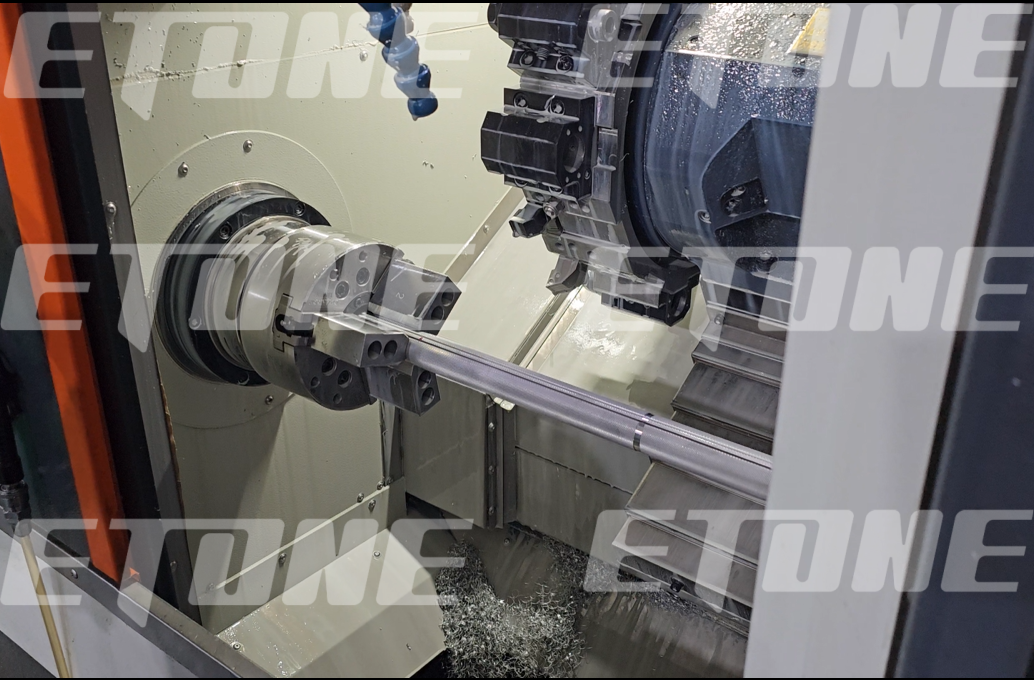
Precision‑controlled CNC (Computer Numerical Control) manufacturing reshapes the long‑term reliability of well‑service valve spare parts. Premium‑grade suppliers combine multi‑axis CNC turning, 5‑axis milling, ultra‑precision grinding and automatic dimensional validation to fabricate repair kits capable of meeting, or even outperforming, OEM requirements.
Micron‑Level Dimensional Accuracy
Up‑to‑date CNC machining centres deliver repeat‑ready tolerances locked at ±0.0005 inches. This rigorous precision ensures:
True concentric alignment between the outer circumference of side segments and the internal bore of the valve housing.
Fully even spread of contact pressure over the complete plug‑sealing interface.
Total elimination of offset fluid clearances that initiate erosive wear caused by high‑speed slurry flow.
Advanced Surface Finish Engineering
CNC‑controlled grinding and polishing operations are able to generate refined surface finishes down to Ra 16 μin. This carefully tuned surface roughness extends the working lifespan of elastomer seals, cuts down turning torque during field deployment, and enables consistent retention of high‑pressure valve lubricant across the whole plug surface.
Premium Alloy Selection & Standardized Heat Treatment
High‑end repair kits are built from certified premium forged alloys such as AISI 4140, AISI 4130, 17‑4 PH stainless steel, and Inconel materials. Each component goes through computer‑monitored heat treatment to hit its target HRC hardness, achieving an ideal balance of high yield strength and robust shock‑impact resistance.
Guaranteed Drop‑In Field Compatibility
On‑site maintenance crews demand rapid valve reassembly with no time‑consuming hand‑fitting or manual grinding. Our precision‑CNC‑produced spare parts offer perfect interchangeability with widely used 1‑inch, 2‑inch and 3‑inch 1502/1002 plug‑valve models from top global original‑equipment brands.
Step-by-Step Field Maintenance Guide: Overhauling a Plug Valve with a Repair Kit
To maximize the operational life of a newly installed Plug Valve Repair Kit, field technicians should follow a standardized overhaul procedure:
Safety Depressurization & Lockout
Verify that the flow line has been fully depressurized, purged of hazardous fluids, and secured under lockout procedures in compliance with on‑site safety regulations.
Disassembly & Cleaning
Detach the bonnet, stop collar, and stem assembly. Take out the worn internal plug and side segments. Clean the valve‑body inner cavity thoroughly with site‑approved solvent to remove abrasive grit, deteriorated lubricant and accumulated mineral scale.
Cavity Inspection
Examine the forged inner walls of the valve body for deep scoring marks or fluid‑induced washout damage. Rebuilding work may continue if the main cavity still falls within allowable dimensional tolerances.
Installing Precision Side Segments & Seals
Lubricate brand‑new elastomeric seals and backup rings with high‑pressure synthetic grease. Seat the seal rings into the rear‑facing grooves of your precision‑machined side segments, then slide these components gently into the body cavity.
Plug Insertion & Alignment
Coat the precision‑manufactured plug with an ample amount of valve grease. Line up the plug drive flats with the bonnet housing and lower the plug slowly between the side segments, taking care not to crimp or damage the installed seals.
Reassembly & Torque Specifications
Refit the stem, stop collar and bonnet assembly. Fasten all cap screws using a cross‑star tightening sequence, following the torque values specified by the component manufacturer.
Grease Injection & Hydrostatic Testing
Pump high‑pressure synthetic valve grease via the body grease port until lubricant emerges uniformly around the plug sealing interfaces. Carry out a shell hydrostatic pressure test as well as low‑ and high‑pressure seat testing (250 PSI low‑pressure, 15 000 PSI high‑pressure). Confirm bubble‑tight sealing performance before putting the valve back into operational service.
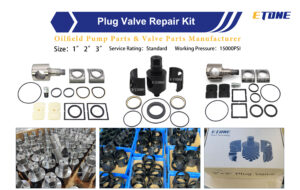
Why Global Oilfield Companies Trust Etone Oil
As a well‑established producer of high‑precision oilfield replacement components, Etone Oil (www.etoneoil.com) provides product supply for drilling contractors, well‑service operators and oil‑field distributors across the globe.
Advanced CNC Manufacturing Facility
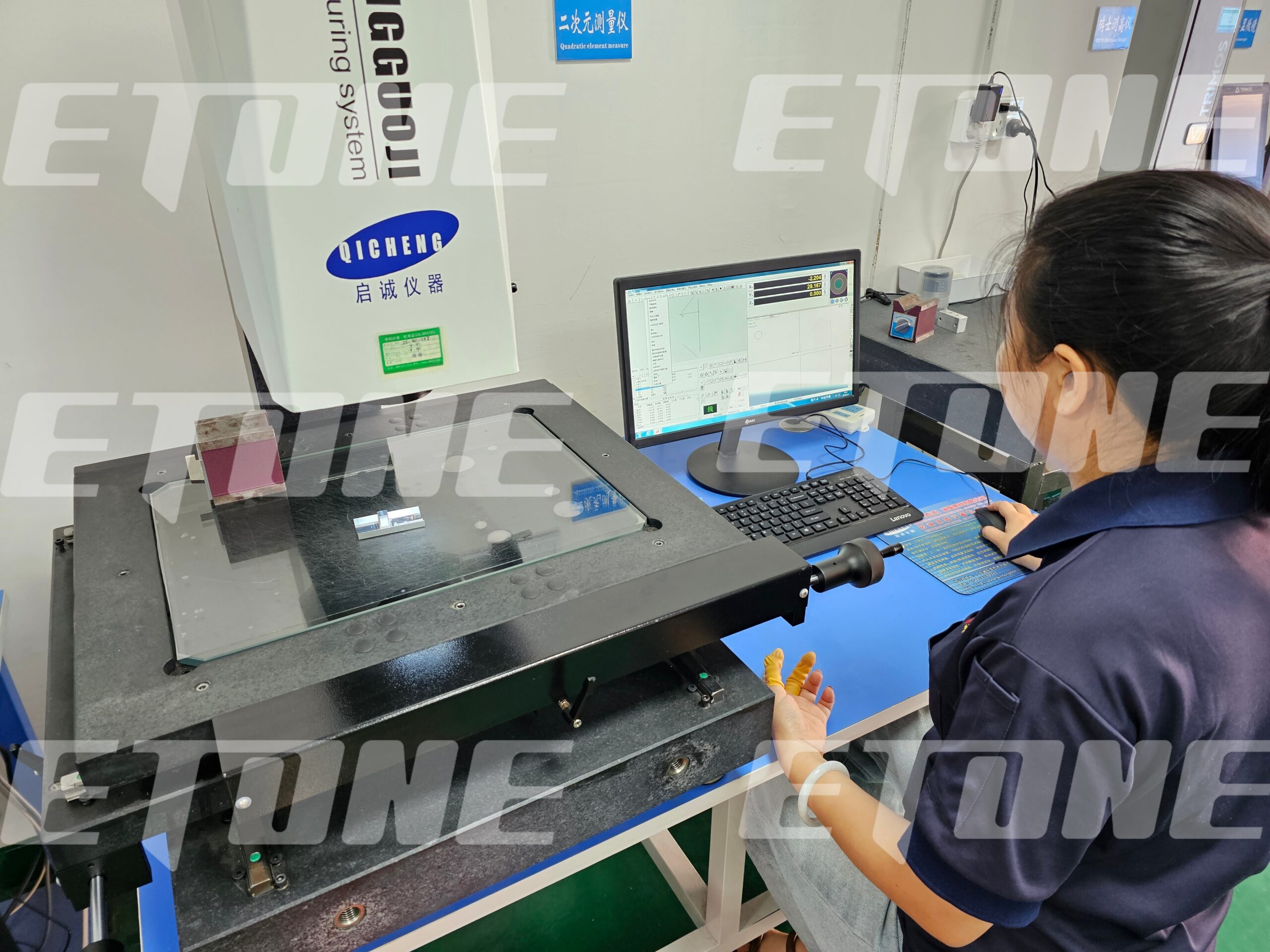
Our workshop is equipped with cutting‑edge multi‑axis CNC lathes, milling equipment and automatic micro‑grinding machines, all deployed to deliver stringent tolerance management throughout production.
Rigorous Quality Assurance
Mill Test Reports (MTRs) are furnished for every incoming batch of raw material. All finished parts receive 100‑percent inspection, including CMM dimensional verification, hardness measurement, and non‑destructive testing (NDT).
Comprehensive Inventory & Global Logistics: We maintain extensive stock of high-demand Plug Valve Repair Kits, Flapper Check Valve Repair Kits, Choke Valve Parts, Relief Valve Repair Kits, and Plunger Pump Packing sets for standard 1502, 1002, and 602 fluid-end assemblies. Rapid dispatch cuts lead times and prevents expensive rig downtime.
Custom OEM/ODM Engineering: Our in-house engineering team designs custom components, specialized alloy configurations, and high-temp seal profiles tailored to unique field challenges.
Protect Your Flow Lines with Precision-Engineered Parts
Prevent early valve failures and eliminate costly unscheduled downtime. Upgrade your flow lines with high-precision CNC replacement parts engineered for extreme pressure and heavy abrasive environments.
Visit www.etoneoil.com today to explore our complete catalog of oilfield spare parts, download technical spec sheets, or request a custom quote from our technical support team. If you have any questions, please contact us promptly at pe@etoneoil.com