Oilfield engineers and procurement professionals constantly evaluate component reliability in harsh pressure-pumping and valve-servicing environments. Top hats, also known as packing retainers or seal adapters, play a vital operational role in oilfield valves, greasing systems, and high-pressure fluid ends. Selection of the optimum alloy directly determines seal lifespan, maintenance frequency, and wellhead safety. Widely recognised as the industry benchmark material for fabricating oilfield top hats, free cutting C36000 brass delivers superior performance compared to competing metal options for this component. This full technical guide breaks down its key advantages—covering mechanical performance, corrosion resistance, anti galling characteristics, high-precision CNC machinability and overall operational cost efficiency—to explain why C36000 brass outshines alternative metals in top hat production.
The Core Functions of Oilfield Top Hats
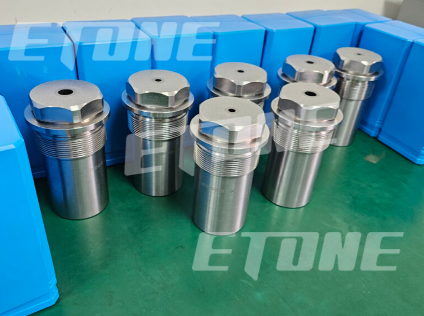
As vital retaining components, top hats bear the responsibility of supporting, securing and positioning movable chevron packing assemblies and primary seals within high-pressure valves and grease injection assemblies. Severe mechanical stress spreads throughout valve chambers when heavy-duty pressure pumping operations or regular lubrication cycles take place. Top hats keep sealing rings accurately positioned and firmly pressed against reciprocating valve stems and plungers. Any displacement, deformation or extrusion of this retaining component will rapidly compromise internal sealing performance under hydraulic force, which may trigger severe fluid leakage or disastrous blowout failures.
Subjected to constant pressure fluctuations in oilfield grease valves and wellhead hardware, top hats are required to endure substantial compressive loads free of buckling or fracture, while retaining tight dimensional accuracy amid fluctuating temperatures. Beyond this, they function as disposable protective buffer layers separating rigid metallic valve bodies from flexible elastomer packing rings. Selecting a suitable alloy for this vital structural adapter is pivotal to sustaining long-term wellhead structural stability and reliable fluid containment.
Mechanical Properties of C36000 Free-Cutting Brass
C36000, the industry standard free-cutting brass grade, relies on a perfectly proportioned blend of copper, zinc and controlled lead to form its chemical composition. This refined microstructure is engineered to deliver excellent machinability, high strength and reliable structural toughness. Featuring ultimate tensile strength between 380–470 MPa and yield strength over 150 MPa, C36000 offers sturdy structural backing to lock heavy packing assemblies in place under extreme oilfield hydraulic pressures.
In addition to favorable tensile performance indicators, C36000 features a moderate Rockwell B hardness of 60 to 80, achieving a harmonious trade-off between ductility and fracture resistance. It can effectively dissipate cyclic impact stresses induced by hydraulic pulsations within grease valve bodies and wellhead manifold systems. Unlike malleable unalloyed copper or highly fragile cast iron, C36000 maintains consistent dimensional geometry when exposed to recurring pressure surges. Therefore, valve retaining components CNC-machined from C36000 brass maintain stringent geometric tolerances over thousands of service cycles.
Superior CNC Machining Performance & Dimensional Precision of C36000 Brass
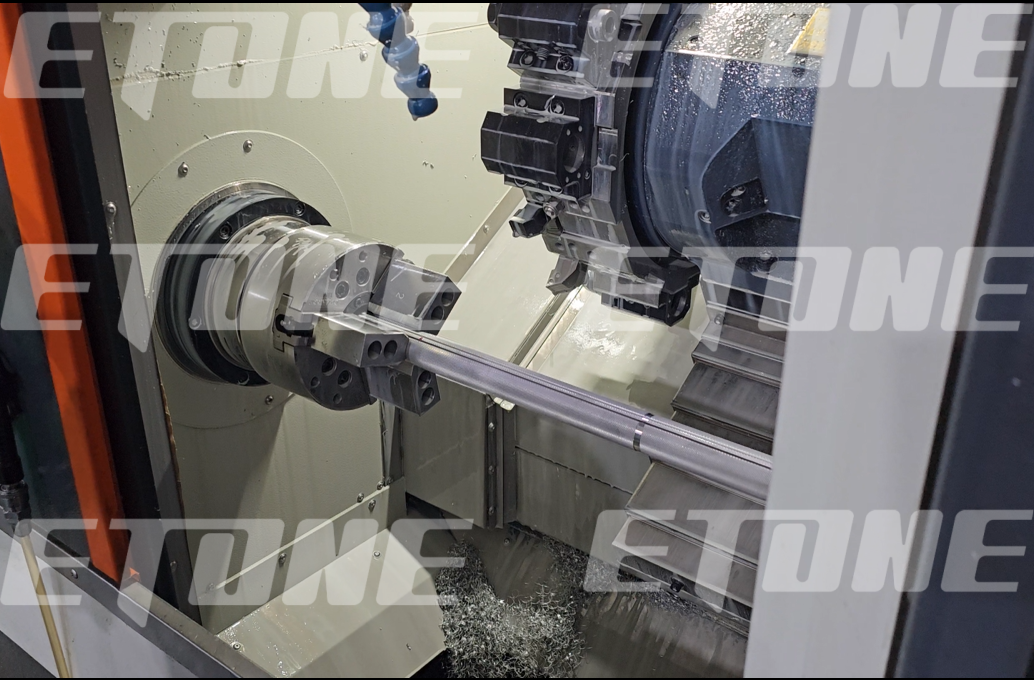
C36000 free-cutting brass sets the global industry benchmark for machinability, scoring a full 100 on the universal metal machinability rating scale. Its microstructure incorporates lead content controlled between 2.5% and 3.7%, which forms evenly distributed lead inclusions serving as built-in chip breakers. When performing high-speed CNC turning, milling and thread machining operations, this alloy produces tiny, clean-cut metal shavings instead of lengthy tangled strips that jam automated machining equipment.
Thanks to this unparalleled machining performance, precision part fabricators such as Etone Technology are capable of manufacturing intricately structured oilfield top hats with ultra-tight dimensional tolerances and mirror-smooth surface textures. Top hat sealing contact surfaces require a superior surface roughness of Ra 0.4 μm or finer; tiny surface irregularities will wear away soft PTFE and HNBR chevron sealing components during field service. Faster machining cycle speeds, extended cutting tool service life and drastically reduced waste material collectively shorten order lead times and cut per-unit production costs for oilfield hardware vendors.
Corrosion Inhibition Capabilities of C36000 Brass Within Oilfield Fluid Media
Wellhead lubrication systems and industrial fluid valves operate continuously amid aggressive corrosive media, including brackish formation water, hydrocarbon compounds, drilling fluid slurries and chemical injection additives. C36000 brass exhibits native corrosion immunity to atmospheric oxidization, aqueous freshwater corrosion and degradation from organic solvents. Upon contact with ambient air or liquid working fluids, copper and zinc alloying constituents develop a thin passive oxide coating. This surface barrier inhibits deep pitting corrosion and localized structural failure of mechanical parts.
High-concentration hydrogen sulfide (H₂S) sour gas service represents an extreme operating environment that requires exclusive nickel-based alloy materials. Even so, C36000 brass achieves exceptional anti-corrosion capabilities for standard oilfield working conditions, lubricated valve manifolds and routine hydrocarbon service applications.
This alloy can resist chemical degradation stemming from lubrication greases, hydraulic fluids and all types of crude oil fractions. Thanks to its powerful defense against oxidation and chemical corrosion, surface corrosion layers will not peel away. Consequently, loose corroded fragments cannot break off and block downstream valve sealing faces or delicate precision instrument tubing.
Thermal Conduction and Heat Removal Characteristics
Substantial localized thermal accumulation occurs due to interfacial friction of reciprocating valve stems, high-pressure dynamic sealing units and static packing retainers under frequent valve cycling or large-flow fluid injection. Thermal accumulation triggers degradation of rubber formulations and embrittlement of elastomers, significantly reducing the service durability of packing components.
C36000 free-cutting brass features a thermal conductivity coefficient of approximately 115 W/m·K, enabling efficient absorption of operational frictional heat and thermal diversion away from thermally vulnerable sealing components.
Sufficient heat extraction retains the intrinsic flexibility of elastomeric seals and inhibits premature thermal vitrification and rigidification of PTFE composite packing rings. Top hat components manufactured from C36000 brass constrain packing temperatures within optimized design thresholds to deliver stable sealing performance under persistent cyclic dynamic loads. This comprehensive thermal regulation performance extends the service reliability of wellhead valves deployed in desert regions, high-ambient-temperature environments and high-load pumping operating conditions.
Economic Advantages and Full Lifecycle Procurement Value
Material specification for oilfield mechanical parts requires comprehensive trade-off analysis between functional technical performance and economic sustainability. Super high-performance nickel-chromium alloy families (Inconel, Monel) exhibit excellent structural strength; nevertheless, they incur substantial expenditures in raw material procurement and precision machining operations. Stainless steel variants 316 and 17-4 PH feature reduced base material costs versus superalloys, yet their pronounced work-hardening characteristics double machining lead times and expedite abrasive wear on cutting tooling.
C36000 free-machining brass achieves an unparalleled balance of low raw material expenditure, minimized CNC processing cycle durations and suppressed tool replacement overhead. For valve service technicians and blowout preventer refurbishment operators, this alloy supplies high-performance retaining hardware at a greatly reduced total cost versus stainless steel counterparts. Moreover, brass waste generated during CNC fabrication retains considerable recycling market value, lowering aggregate manufacturing costs and enabling greener, circular production workflows.
Replacing Stainless Steel with Brass Top Hats
Engineers frequently evaluate whether stainless steel or brass represents the superior choice for seal adapters and top hats inside lubricated valves. While stainless steel provides higher tensile strength, its propensity for galling against steel stems makes it a risky retainer material. Stainless top hats can easily cold-weld to gland nuts or housing walls, forcing technicians to drill out damaged components during field overhauls.C36000 brass provides more than adequate yield strength for retaining chevron packing under standard wellhead pressures, while completely eliminating galling risks. The ductility of brass also allows the retainer to conform slightly under extreme gland pressure, creating a more uniform load distribution across elastomeric sealing rings. Unless severe sour gas or extreme acidizing fluids are present, C36000 brass provides superior operational ease and seal protection compared to rigid stainless steel options.
Precision Manufacturing Specifications of Etone Technology
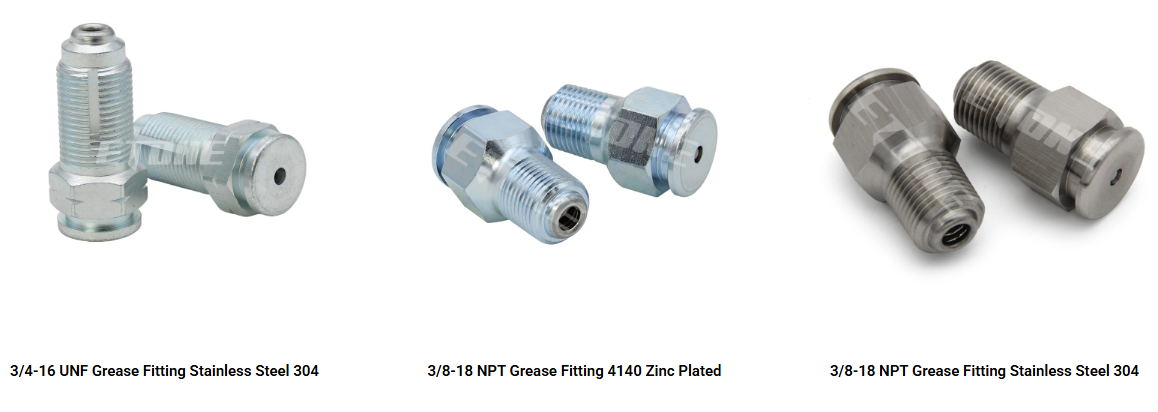
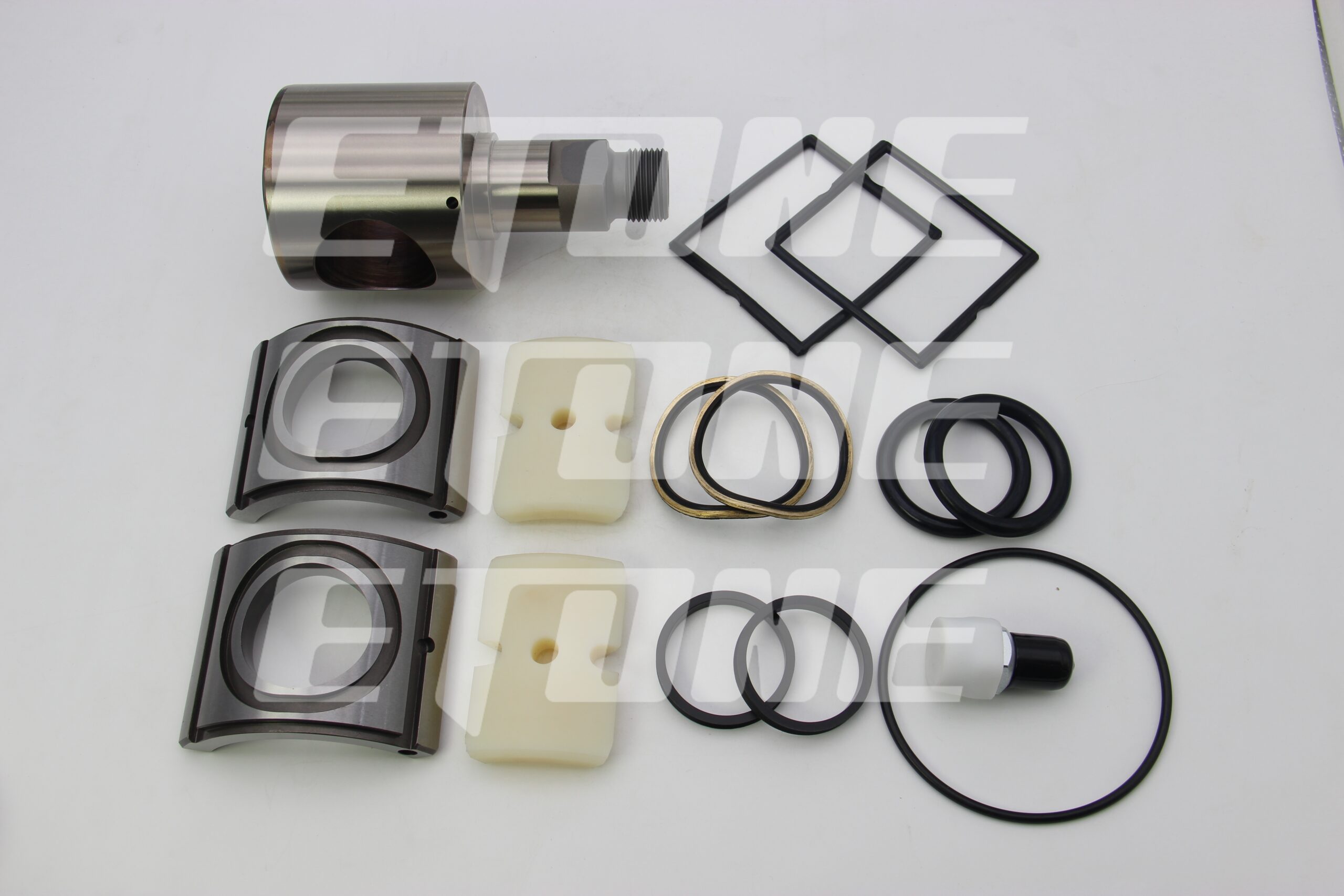
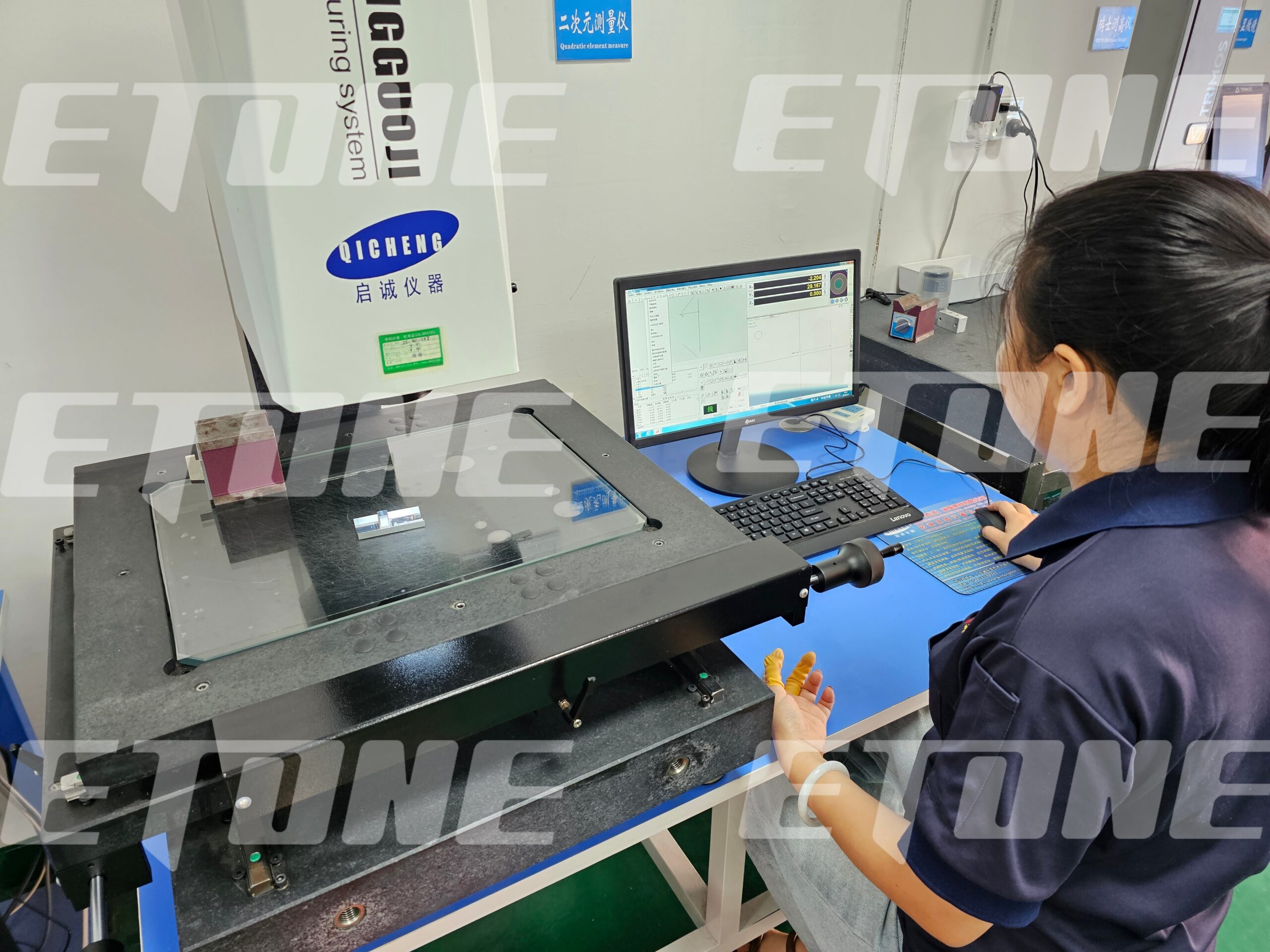
Etone Technology specializes in the precision fabrication of oilfield components including top hats, grease connectors, maintenance repair kits and valve auxiliary parts, all engineered to satisfy stringent industrial oilfield performance standards. Equipped with multi-axis CNC Swiss-type lathes and high-precision turning equipment, our workshop fabricates brass top hats featuring precise concentricity, deburred smooth chamfers and mirror-grade contact faces for sealing assemblies. Each batch of finished goods is subjected to strict dimensional verification and surface roughness measurement.
Our custom and standard C36000 brass top hat solutions fit a wide range of field equipment such as plug valves, gate valves, grease injection manifolds and high-pressure fluid end assemblies, fully customized to match each customer’s unique technical demands. Through full oversight over raw material procurement, precision cutting tool management and complete quality control procedures, Etone Technology provides dimensionally stable sealing adapters. These components boost the operational dependability of oilfield equipment, extend the service lifespan of packing assemblies and cut expensive production downtime for oil & gas facilities worldwide.
FAQ
1. Definition of C36000 Brass & Origin of Its “Free-Cutting” Designation
C36000 is a copper-zinc alloy blended with lead accounting for 2.5% to 3.7% of its total composition. The lead distributed throughout its microstructure serves as built-in chip breakers, enabling high-speed CNC machining with flawless surface finishes and drastically reduced cutting tool abrasion—this unique trait gives the alloy its well-known title of free-cutting brass.
2. Anti-Galling Mechanism of C36000 Brass for Oilfield Valve Service
Compared with hardened steel and stainless steel valve bodies and stems, C36000 brass features lower hardness paired with an inherently low friction coefficient. This property stops cold welding between mating metal surfaces, allowing seamless sliding motion of valve stems and eliminating thread seizure or surface abrasion during continuous field operation.
3. Pressure Resistance of C36000 Brass Top Hats for Wellhead Applications
Absolutely. C36000 brass delivers yield strength above 150 MPa and maximum tensile strength reaching 470 MPa. When engineered as packing retainers and installed within reinforced valve chambers, these brass top hats reliably endure conventional oilfield service pressures rated at several thousand PSI.
Upgrade Your Oilfield Valve Reliability with Etone Technology
Ensure maximum wellhead uptime and protect your sealing systems with precision-machined C36000 brass top hats, grease injection fittings, and valve repair kits from Etone Technology. Our advanced CNC machining facility delivers custom and standard oilfield components built to exacting tolerances and superior surface finishes.
Contact Etone Technology Today:Website: https://etoneoil.com, Eamil:pe@etoneoil.com
Services: Precision CNC Machining, Oilfield Top Hats, Grease Valves, Valve Repair Kits & Custom Components
Inquire Now: Request a fast quote or consult with our engineering team to optimize your equipment performance!