In high-pressure oilfield pumping operations—including hydraulic fracturing, oil well cementing, and mud circulation—the triplex or quintuplex plunger pump is the absolute heart of the rig. Operating under pressures that frequently exceed 10,000 PSI, the fluid end consumables are continuously subjected to extreme friction, mechanical stress, and aggressive chemical slurries.
Among these consumables, plunger pump packing (also known as pressure seals or packing v-rings) is typically the most frequently replaced component. Premature packing failure doesn’t just mean buying more seals; it leads to severe fluid end washing, unplanned downtime, and lost profitability per stage.
If you are a fleet maintenance supervisor or a procurement specialist sourcing plunger pump accessories, understanding how to mitigate seal wear is crucial.
This technical guide explores the leading causes of packing degradation and provides actionable strategies to drastically extend the service life of your plunger pump fluid end parts.
1. Why Does Plunger Pump Packing Fail Prematurely?
Before you can extend seal longevity, you must identify what is destroying them. In most high-pressure pumping setups, plunger pump packing replacement becomes necessary due to three distinct field factors:
Abrasive Proppants and Friction: Frac sand, ceramic proppants, and drilling mud solids inevitably migrate past the sacrificial brass components, embedding themselves into the elastomeric V-rings and scoring both the plunger and the seal.
Inadequate Lubrication and Heat: Without consistent lubrication, dry friction between the reciprocating plunger and the tight packing stack generates extreme thermal energy, cooking the rubber compounds until they crack and deform.
Misalignment and Structural Wear: Worn crosshead guides or a degraded plunger pump pony rod will cause the plunger to travel slightly off-center. This concentricity error exerts uneven radial force, tearing one side of the packing stack apart within hours.
2. Best Practices to Maximize Plunger Pump Packing Longevity
Implementing these routine maintenance adjustments will minimize the total cost of ownership (TCO) of your fluid end expendables:
A. Maintain Continuous Packing Lubrication
High-pressure packing stacks rely heavily on external lubrication. Ensure your automated lube pumps are delivering premium rock drill oil or specialized synthetic grease at the precise flow rates recommended by your high-pressure pump spares supplier.
B. Upgrade and Inspect the Sacrificial Brass Packing Rings
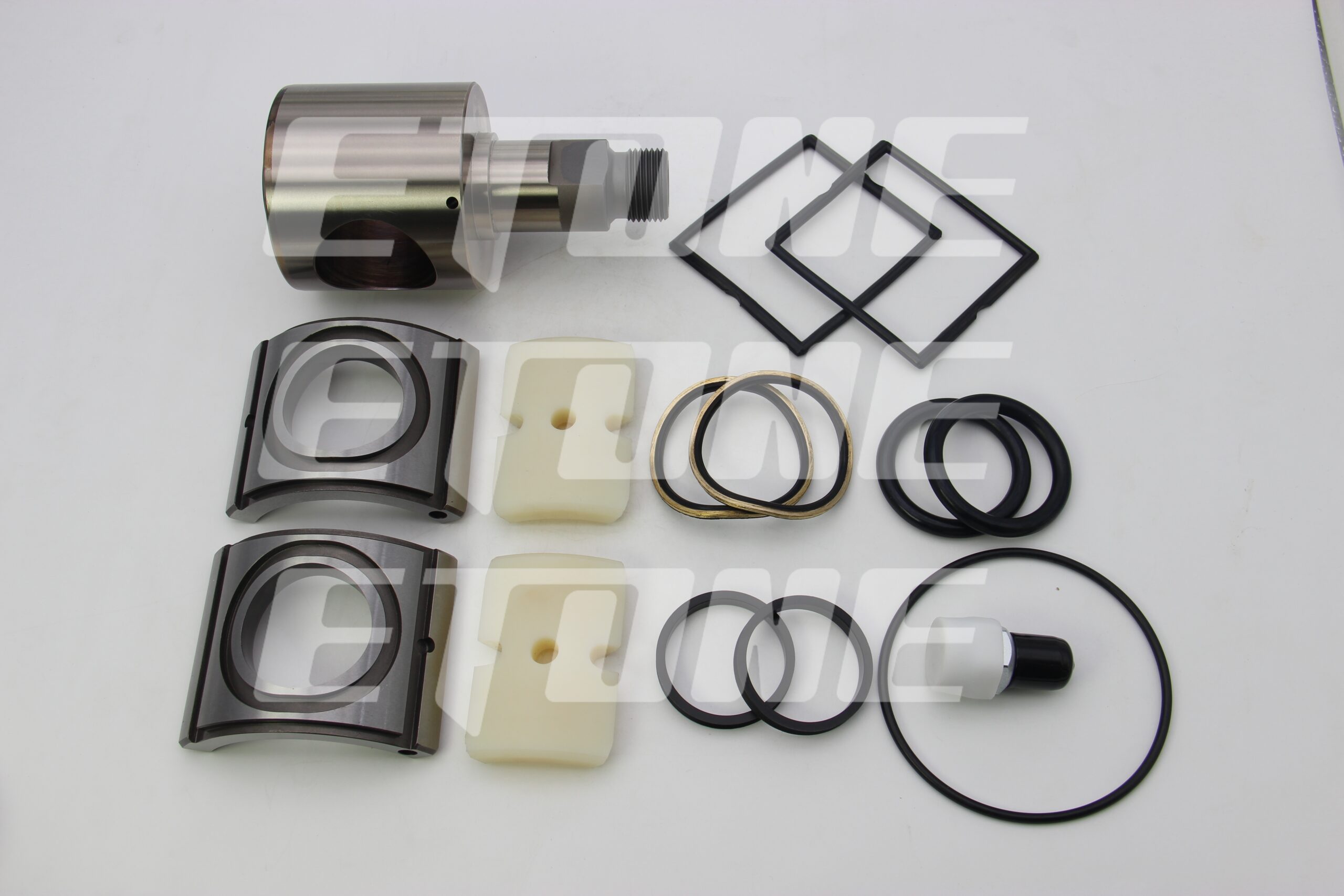
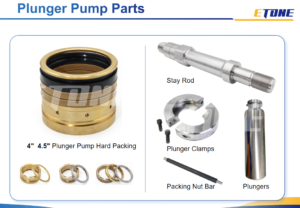
The metal components inside your packing gland—specifically the header rings and lantern rings—are designed as sacrificial components. If you ignore worn plunger pump packing brass rings, the elastomeric seals lose their structural support, causing them to extrude under 15,000 PSI pressure loads. Always replace the internal brass alongside the rubber V-rings during an overhaul.
C. Protect the Lubrication Infrastructure
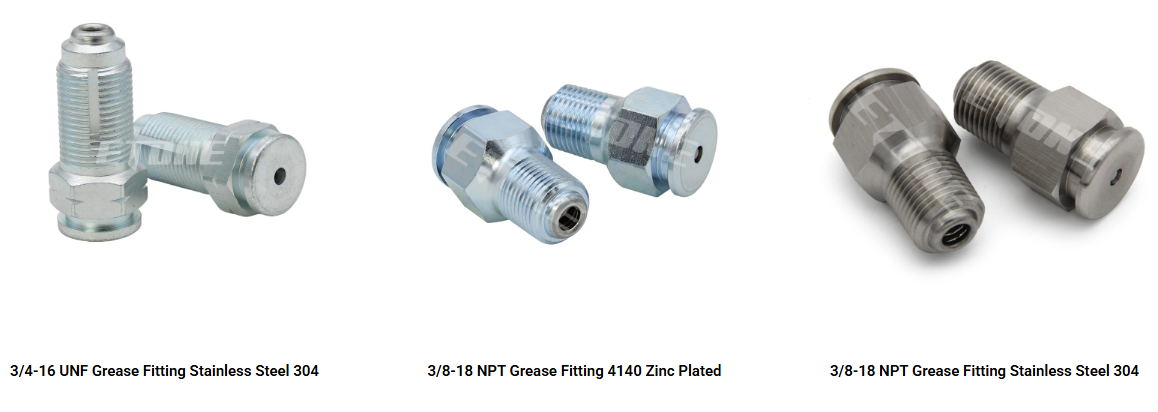
The lubrication system is only as good as the hardware protecting it. Ensure your high-pressure lubrication lines are equipped with heavy-duty double ball grease fittings to prevent pressure backflow. Always secure your giant button head grease fittings with a precision-machined brass top hat or thread protection cap to prevent ambient dust and fracturing sand from contaminating the grease path.
3. Coordinating Fluid End Rebuilds for Maximum Efficiency
When pulling the fluid end apart for a high-pressure pump repair kit installation, a successful operation looks at the entire flow line holistically rather than treating components in isolation.
Check the Valves and Seats: A leaking fluid end valve causes rapid pressure fluctuations, creating violent fluid hammers that destroy new packing. Coordinate your packing replacement with a fresh inline check valve repair kit or new stainless steel check valve kits.
Inspect the Wellhead Isolation Network: Ensure your upstream flow manifolds and plug valve repair kits are performing optimally. Fluid bypassing upstream can cause erratic pressure drops at the pump intake, inducing seal cavitation.
Why Source Your Plunger Pump Accessories from Etone Oil?
As an established China high-precision valve parts manufacturer and fluid end specialist, Etone Oil engineers replacement components that bridge the gap between maximum field safety and highly competitive operational costs.
Advanced Elastomer Compounding: We utilize premium HNBR, Kevlar-reinforced polymers, and high-purity PTFE compounds to ensure our customized plunger pump parts withstand abrasive slurries and high thermal limits.
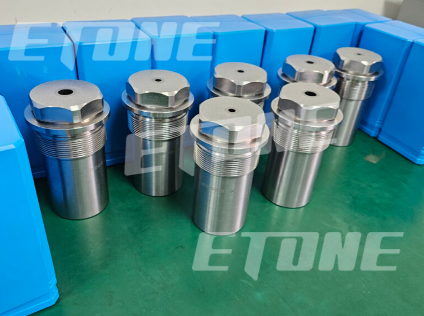
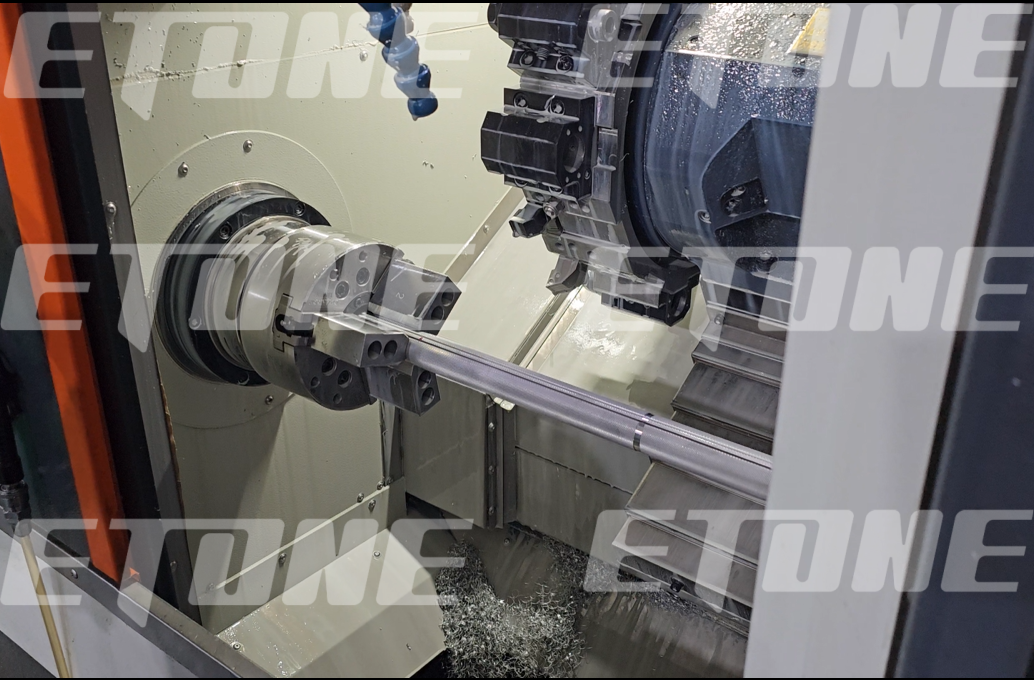
Micron-Exact CNC Machining: Our facility turns out packing brass, adapters, and pony rods to strict dimensional tolerances, ensuring perfect alignment and zero micro-gaps.
One-Stop Procurement Convenience: We simplify your supply chain by manufacturing a complete portfolio of high-wear oilfield spares—ranging from high-pressure grease injection valves to full manifold overhaul kits.
Frequently Asked Questions (FAQs)
Q1: Can I replace just the rubber V-rings and reuse the old packing brass?
While tempting to save short-term costs, reusing worn packing brass is the leading cause of immediate packing failure. Worn brass allowed to remain in the fluid end will fail to prevent elastomer extrusion, cutting the lifespan of your new rubber seals by up to 60%.
Q2: What are the signs that my pump packing is beginning to fail?
Keep a close eye on the packing gland weep holes. Increased leakage of fluid or packing oil, an overheating fluid end block, or fluctuating discharge pressure are immediate warning signs that your oilfield valve maintenance kits and packing elements need attention.
Contact our technical sales team right now with your pump model (such as SPM, FMC, Gardner Denver, or Halliburton) or specific part numbers:pe@etoneoil.com. We will deliver a highly competitive plunger pump parts wholesale quote straight to your inbox!