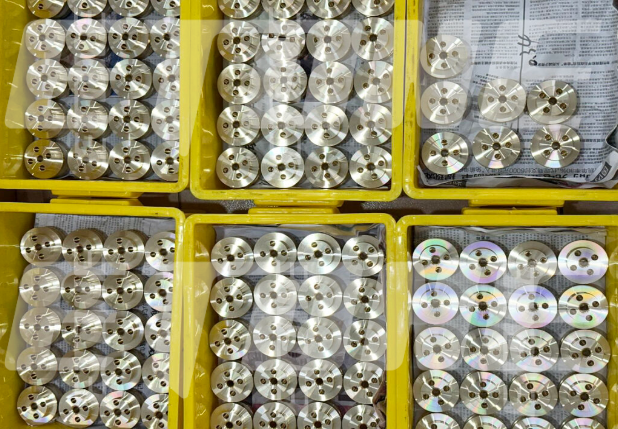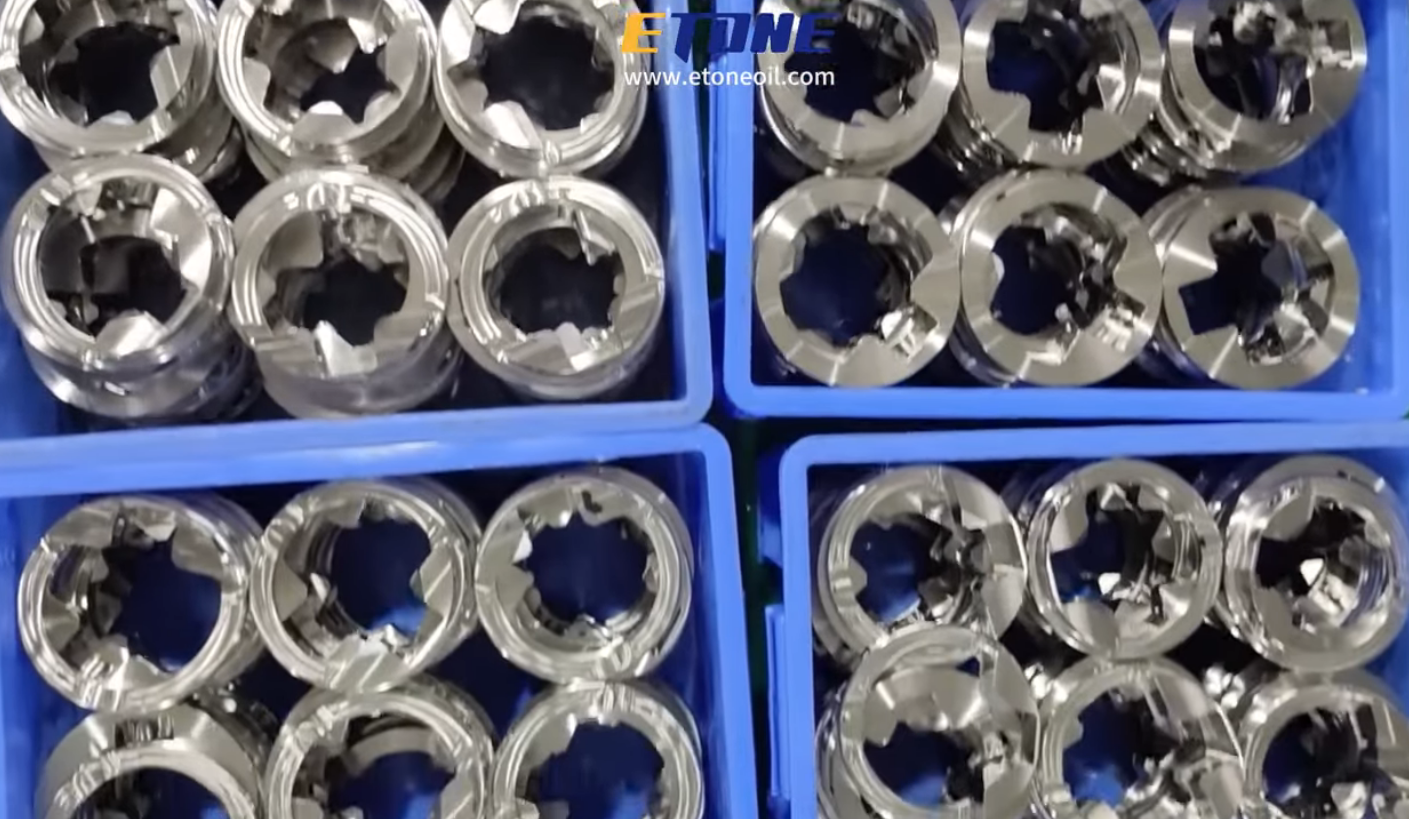
Within oilfield workflows, a lack of spare parts can stop maintenance work, cause production to stop, and make operating costs go up. If a valve, pump, or pressure-control part breaks, maintenance teams need access to the right replacement. Without parts in stock, even small fixes can become equipment failures.
Good inventory planning for oilfield parts helps companies keep equipment running while not having much stock that takes up money. Focusing on parts, setting reasonable reorder levels, and talking regularly with reliable suppliers helps cut down on unexpected downtime and expensive last-minute buying.
For companies that manage drilling equipment, pump systems, and high-pressure fluid control systems, managing parts is more than just keeping them in a warehouse. The main goal is to make sure the right oilfield parts are available when needed with steady supply chains.
1. Why Oilfield Spare Parts Inventory Planning Matters
Oilfield equipment works in environments with changes in pressure, rough fluids, rust, shaking, and constant use; all wear down parts. Some parts can last for years if conditions are good. Others need checking. Often need to be replaced.
The issue is that the need for parts is not steady. Regular maintenance might happen on a schedule. A sudden leak in a valve or a pump failure can mean a need for a specific part.
Without a plan for inventory, companies often run into two problems.
The first is not having parts in stock. A needed part is not available when equipment breaks. This means the maintenance team has to wait for the part to be ordered, made, and delivered.
The second is having too much stock. Buying more than needed to prevent shortages can use up money. Some parts might become outdated or no longer useful after equipment changes.
A good inventory plan for oilfield parts balances having what is needed with the cost. It looks at how important the equipment’s how often parts fail, how long it takes suppliers to deliver, how much is needed, and storage needs.
For oilfield maintenance teams, common parts they stock include:
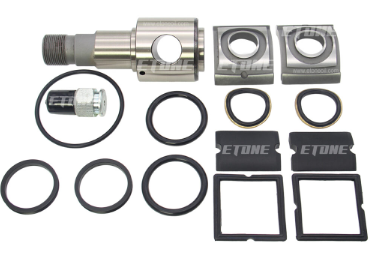
– Plug Valve Repair Kits
– Flapper Check Valve Repair Kits
– Choke Valve Parts
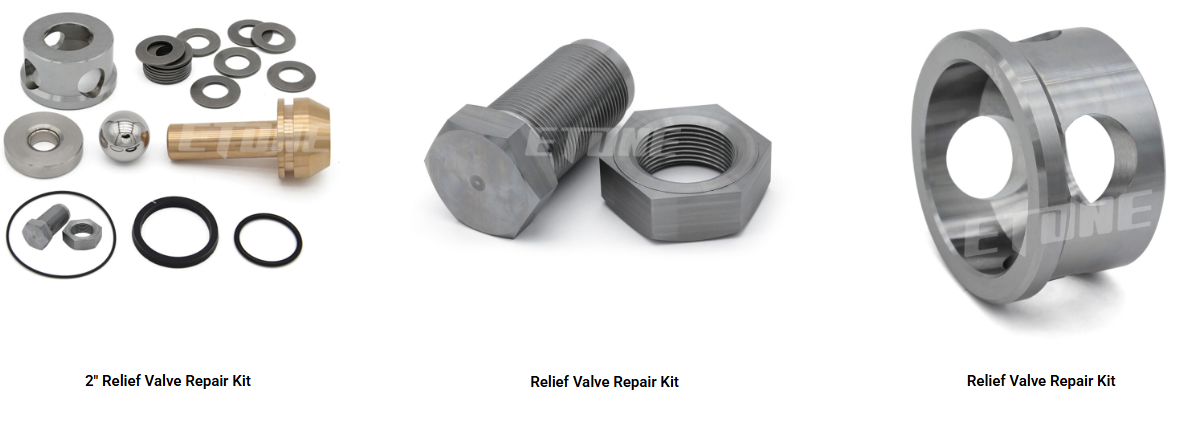
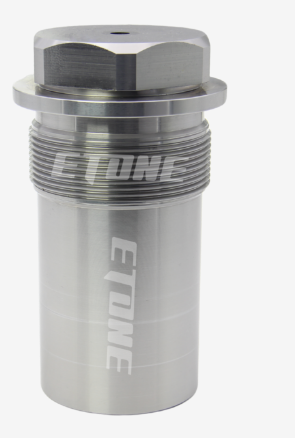
– Relief Valve Repair Kits
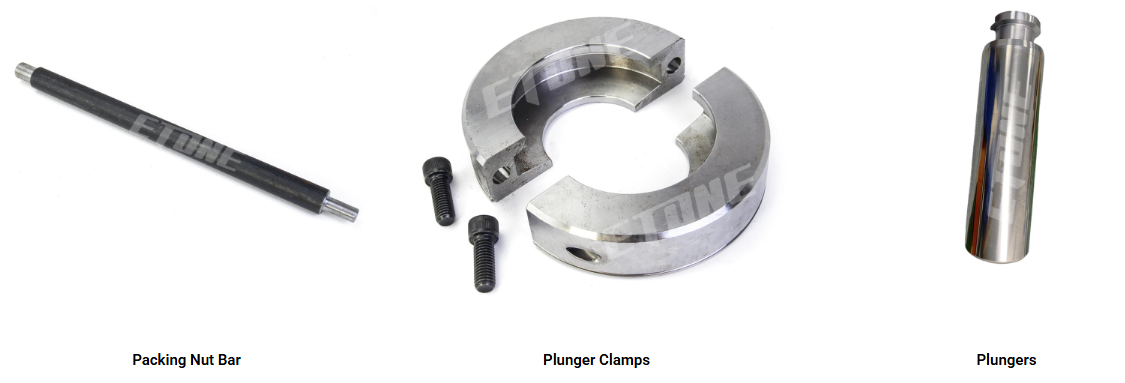
– Plunger Pump Packing
– Valve stems, seats, seals, and other internal parts
– Precision-machined metal parts and custom replacement components
Not all of these parts need to be in stock. A common seal used across systems might need to be in higher amounts. A special valve part made for one type of machine might need a plan.
The first step is to know which parts are most important for keeping equipment working.
2. Classify Spare Parts by Equipment Criticality
One common mistake in inventory management is treating all parts the same. In reality, a low-cost seal can be more important than a high-cost part if its absence stops a machine from working
A good inventory plan sorts oilfield parts based on what happens when a part’s not available.
Spare parts
Critical parts are those that, if not available, can cause equipment downtime, stop important work, or create dangerous situations.
Depending on the equipment, critical parts could include pressure-control valve parts, pump packing, or repair kits that have no easy replacement.
For these parts, companies must set stock levels, check how long it takes to get them from suppliers, and find backup suppliers if possible.
Maintenance parts
These are parts that get used during maintenance or scheduled work. Their need is easier to predict because you know when they are replaced and how much was used before.
Examples are seals, common valve parts, and some pump maintenance items.
Stock levels for these can be set using usage, maintenance plans, and how long it takes to order them.
Priority or moving parts
Some parts are only needed very rarely or on older or special equipment. Keeping many of these can waste money and space.
For these parts, buyers should think about whether the supplier can deliver, how bad it would be if the part failed, whether other sites can share inventory, and if the part can be made on order.
Low usage does not always mean the part is unimportant. A rare part may still be important if its failure stops a machine.
So the classification must look at both how often a part is used and how big the impact would be if it’s not available.
3. Use ABC Analysis to Control Inventory Costs
ABC analysis is a way to sort oilfield spare parts by how much they cost each year, helping teams focus on spending and keeping track of stock.
A items: high cost each year. Close monitoring, exact predictions, and regular checks
B items: Medium cost each year. Regular checks and balanced orders
C items: Low cost each year. Simple management and cost-effective restocking
Annual cost is how much is used each year multiplied by the price of each part. It’s important to note that ABC analysis looks at money value, not how important the part is. A cheap O-ring can be very important for field work even if it costs little. Expensive parts with supply might not always need a lot of stock. Oilfield inventory works better when ABC classification is used with checking how important parts are, helping companies use money wisely.
4. Calculate Reorder. Safety Stock
The reorder point is when you decide to order more. If the number is too low, you might run out before the new order arrives. If the number is too high, you might have parts that sit unused.
Basic formula: Reorder Point = Average Demand During Lead Time.
For example, if a warehouse uses 12 sealing kits a month and the time to get an order is 2 months, the demand during that time is 24 kits. Adding 6 kits as a safety stock makes the reorder point 30 kits. Orders should be placed when the stock is near that number.
Safety stock is like a buffer to handle problems. These problems can include equipment breaking, maintenance, unreliable supplier times, shipping delays, changes in work needs, and parts that’re hard to find. Parts with need and short reliable lead times need less safety stock. Parts like custom oilfield valve repair kits, which take longer to get, need safety stock to avoid expensive downtime. Safety stock levels should be checked often to adjust for how equipment’s used, how well suppliers perform, and what maintenance plans are in place.
5. Plan Inventory Around Maintenance Schedules
Past data does not always show what will happen next. Scheduled equipment maintenance, major repairs, and changes in how work’s done can change the need for parts. So inventory planning should match what is in stock with the maintenance schedule.
For example, if several plug valves are going to be fixed, the planning team should have the plug valve repair kits ready ahead of time. The same idea applies when dealing with plunger pump packing for pump maintenance and flapper check valve repair kits for inspection work.
The process has five steps: find the equipment and the dates of the work; list the parts needed using lists, manuals, or confirmed maintenance records; check the planned needs against what is in stock and orders already placed; note any shortages early to get things ready; and check the new parts before giving them to the workers.
This way, last-minute buying is reduced, and using planned maintenance times is easier. It’s easier for maintenance, warehouse, and purchasing teams to work together, avoiding shortages after equipment is taken apart.
6. Manage Supplier Lead Times Effectively
Lead time is very important when planning inventory for oilfield parts. It includes more than making the part. It also includes checking that the part meets the standards, getting the materials, scheduling the work, checking the product, packing it, shipping it, clearing customs, and receiving it. Even simple parts can take time if details are not clear or if they are made to order.
Differentiate between parts that’re in stock and custom parts that are made. Standard parts are usually available from suppliers, while custom parts like valve stems and seats need drawings, checking materials, precise manufacturing, and special tests. The purchasing team needs to know how the part is made, if the materials are available, what tools are needed, and what inspection papers are required. How often the part will be ordered again. These details help set reorder points and avoid thinking the part will arrive faster than it actually will.
Track the times promised versus how long they actually take. This helps understand how long things usually take. If there are always delays, the safety stock or reorder points may need to change. If things usually arrive on time, less inventory can be kept. The main thing is to work with suppliers who deliver on time, have skills, make quality parts, and communicate well, not just those with the shortest lead times.
7. Reduce Emergency Procurement Through Better Preparation
Emergency buying usually happens when a part breaks without warning. If there is no part in stock, the buyer has to rush to find one, leading to costs like fast shipping, overtime pay, lost production time, repeated checks, more testing, and the chance of getting the wrong part.
The best way to avoid this is to plan. Companies should make a list of parts, including parts that are very important, like key relief valve repair kits, choke valve parts, and pump packing. The list should include the equipment they go with, the part numbers, technical details, and preferred suppliers.
Keep the drawings, material standards, and testing records available. Saved approved drawings for custom parts help avoid repeating work. Keep lines of communication with suppliers to match when parts are needed and what is urgent. Look into long-term contracts or agreements for production when possible.
After every emergency purchase, take a moment to figure out what went wrong. Maybe the time it takes to get the parts changed. Then make changes to the rules for ordering. See emergency purchases as a chance to find places to make the inventory process better, not as something that happens once and is forgotten.
8. Oilfield Spare Parts Supply Solutions from Etone Oil
Etone Oil focuses on oilfield parts, precision metal parts, and repair kits for drilling and fluid-handling equipment. Their products include Plug Valve Repair Kits, Flapper Check Valve Repair Kits, Choke Valve Parts, Relief Valve Repair Kits, Plunger Pump Packing, and other parts used in oilfield equipment.
For maintenance contractors, distributors, and equipment operators working with a supplier that knows these products, it can make it easier to find parts and talk about details.
When planning inventory, buyers can look at the parts that are used often, the parts that are needed for repairs, and what maintenance is coming up to find the way to restock.
For custom oilfield parts, giving the equipment model, part number, technical drawing, material details, and how many are. When they are wanted helps get a better quote.
If a part is hard to find, buyers can also send photos and exact measurements for a check. Final approval should be based on matching the equipment’s specifications.
Etone Oil handles questions about parts and repair kits across its oilfield product range. Whether it is a Plug Valve Repair Kit, a Flapper Check Valve Repair Kit, Choke Valve Parts, a Relief Valve Repair Kit, or Plunger Pump Packing, having clear technical information helps the process go smoothly.
For companies trying to avoid emergency purchases, talking about what’s expected and how often parts are needed can help with buying plans.
Planning your oilfield spare parts order? Contact Etone Oil: Email: pe@etoneoil.com Tel: +86 135 3728 5097, with your list of products, part numbers, drawings, or maintenance needs to get a quote and discuss a supply plan.