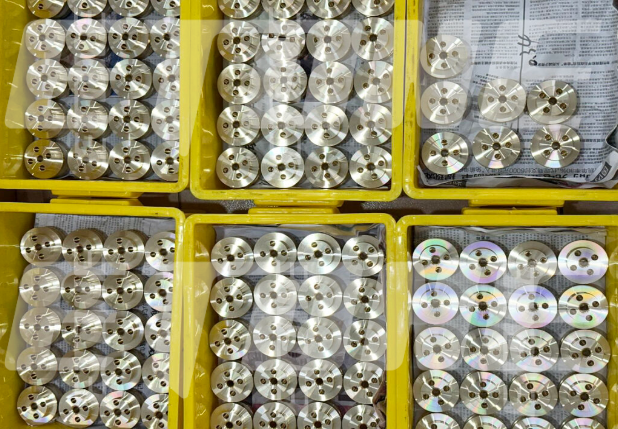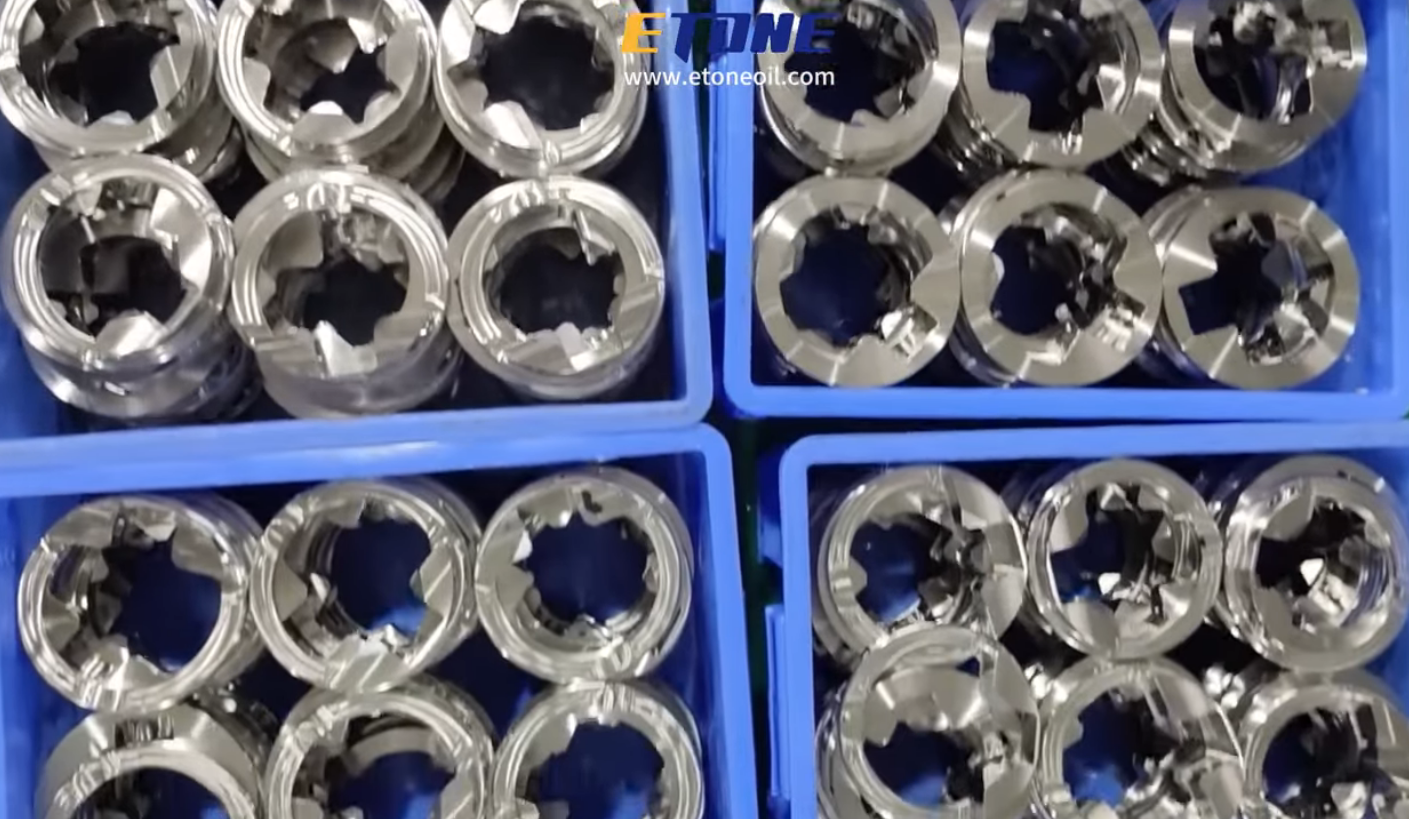
When a plug valve starts to leak, it becomes difficult to turn or shows signs of damage; choosing the replacement parts is very important for maintenance. For businesses that work in oilfield services, drilling companies, and equipment providers, the decision usually boils down to two choices: a plug valve repair kit or a plug valve seal kit.
Even though both are used to fix plug valves, they are not the same. A seal kit usually contains the parts that create the seal, like O-rings, gaskets, or seals made from rubber or other materials. These are the parts that stop the valve from leaking. A plug valve repair kit, however, often contains more than the seals. It may also include the plug, seats, bushings, springs, and other internal parts that are needed for a repair.
Using the repair kit helps keep costs down. It means there is no need to replace parts frequently or to replace the entire valve. It also ensures that the plug valve continues to work over time. This guide will compare plug valve repair kits and seal kits. It will explain when one is better than the other. It will list what buyers should check before ordering parts for oilfield use.
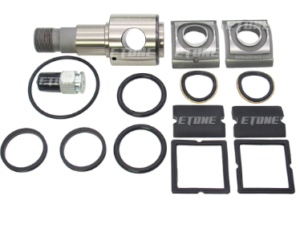
1. What is a plug valve repair kit?
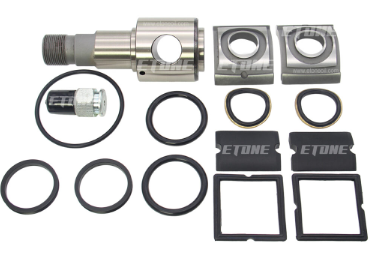
A plug valve repair kit is a collection of parts that allows you to completely overhaul and restore plug valves, which are commonly used in oilfield flow control because they can be turned easily with a quarter-turn. In high-pressure situations with corrosive liquids and repeated use, plug valves often experience bad seals and internal wear. Instead of buying a new valve, workers use a plug valve repair kit to replace broken parts. The parts in a plug valve repair kit vary by model. They include O-rings, seals, packing, gaskets, and small hardware. Selecting the plug valve repair kit is very important.
2. What Is a Plug Valve Seal Kit?
A plug valve seal kit is a collection of replacement parts made to restore the sealing function of a plug valve. The seals inside the valve stop fluid from leaking between parts. Over time, these seals can wear out due to things like temperature changes, pressure swings, chemical damage, friction, aging, or being installed too tightly.
A typical seal kit contains O-rings, rubber seals, packing, and sealing rings. The exact parts in the kit can vary depending on the manufacturer and the type of service the valve is used for. Some kits are made for one specific sealing point while others include all the seals needed for a full repair job.
This kind of kit works best when the only problem is with the seals. It’s a solution when the valve’s main parts are still in good shape, there’s no serious damage elsewhere, and the new seals exactly match the original size, material, and design. In these cases, replacing the seals is a fix that avoids the need for a full valve overhaul.
For example, if a valve leaks because of repeated opening and closing and the seals are the thing that’s worn out, using a seal kit makes sense.
But leaks don’t always come from seals. Sometimes the cause is a sealing surface, too much space between parts, wrong lubricant, mistakes during assembly, or the valve being used in conditions it wasn’t designed for. If you just replace the seals without checking the reason for the leak, the new seals will likely fail again soon. That means the problem comes back fast and the valve fails again.
3. Full Plug Valve Repair Kit vs. Seal Kit: Key Differences
The main difference lies in the scope of replacement components. This difference does not involve a difference in performance or quality.
A full plug valve repair kit is made to cover a maintenance scope. A seal kit focuses on sealing parts. Nevertheless, the term ” repair kit” is not standardized across every manufacturer. The bill of materials must always be checked.
| Comparison factor | Full plug valve repair kit | Plug valve seal kit |
| Main purpose | Broader repair or overhaul | Replacement of designated sealing elements |
| Typical contents | Seals and other model-specific replacement components | O-rings, packing, and other specified |
| Maintenance scope | Potentially more extensive | Primarily focused on sealing |
| Purchasing cost | Often higher, depending on contents | Often lower when fewer parts are needed |
| Inspection requirements | May involve multiple component types | Focuses on sealing components and related surfaces |
| Best use case | Planned overhaul or wider component replacement | Confirmed seal wear with other components still serviceable |
| Inventory considerations | Can cover a broader range of replacement needs for the specified model | Useful for routine seal maintenance |
| Compatibility checks | Must confirm the full kit configuration | Must confirm seal dimensions, materials, and locations |
4. When Should You Choose a Full Plug Valve Repair Kit?
A full plug valve repair kit may be the practical choice when inspection shows that maintenance needs go beyond simply replacing seals.
4.1 The Valve Requires a Planned Overhaul
Equipment that runs often or works under hard conditions can have many parts that wear out over time. During a planned overhaul, technicians can spot retainers, damaged side hardware, worn packing, or other parts that need new ones.
Getting a full repair kit lets maintenance teams get the needed parts before the valve is taken apart. It can cut back on repeated ordering. Stop the risk of finding a key part missing while the repair is in progress.
4.2 The Valve Has Repeatedly Developed Leaks
If a valve leaks again and again, it needs a look. If a valve keeps leaking after the seal is replaced, the real reason might be damaged mating surfaces, improper sealing materials that do not match, bad assembly, or use conditions that go beyond the allowed limits.
A full plug valve repair kit can be right if the inspection shows parts that need to be replaced. If the valve body or a big part is damaged more than the manufacturer’s limits allow, a repair kit alone will not be enough.
4.3 Multiple Components Show Wear
A valve that has worked for a time or in tough conditions may need more than one kind of new part.
When taking it apart, technicians must check the parts listed in the OEM maintenance procedure. Depending on the design, this can mean checking sealing interfaces, packing, retainers, and other replaceable hardware.
When many parts need a full repair kit, buying parts can be easier and keep the new parts the same as the approved valve setup.
4.4 Spare-Part Availability Is a Concern
For drilling contractors and oilfield maintenance workers, sudden downtime can upset work.
Having the right repair kits on hand can boost maintenance readiness for vital equipment that takes a long time to get from suppliers.
A full repair kit can be useful when a big overhaul is expected or when the full amount of wear is not clear, before taking the valve apart
Buying inventory should look at how critical the equipment is, how it has failed before, how long parts last, and what the manufacturer says about storage.
Buying a kit is not always the best choice. The aim is to have the parts that are likely needed and to make sure they fit the equipment in use.
5. When Is a Plug Valve Seal Kit the Better Option?
A plug valve seal kit provides a reliable maintenance option when the problem area is obvious, and the rest of the valve keeps working.
First, a plug valve seal kit is best when the only trouble comes from seals. Seals are parts that can lose stretch or break when the service is tough. If an inspection shows that the leak is caused by broken seals while the other surfaces are still good, a matching plug valve seal kit can solve the problem. Technicians still have to examine the sealing interfaces and follow the OEM installation instructions.
Second, a plug valve seal kit works with planned preventive maintenance. Many operators set seal replacement schedules using OEM manuals, service records, and how hard the plant runs. A dedicated plug valve seal kit avoids buying parts that are not needed for scheduled jobs. Service intervals should not depend on a fixed calendar; real pressure cycles, the type of media, and the condition of parts must also be taken into account.
Third, a plug valve seal kit helps buyers keep spare‑part costs down. Distributors and service contractors reduce inventory and spending by buying only the sealing parts that are required. The cheapest choice at the start is not always the best in the long run. Poor inspection or a wrong kit can cause orders, extra labor, and expensive downtime. Smart purchasing balances the plug valve seal kit price with the scope of the repair, the health of the valve, the lead time, and the risk of failures.
6. Custom Plug Valve Repair Kits from Etone
Dongguan Etone Technology Co., Ltd. specializes in the development, customization, and manufacturing of precision metal components and repair kits for oilfield drilling equipment.
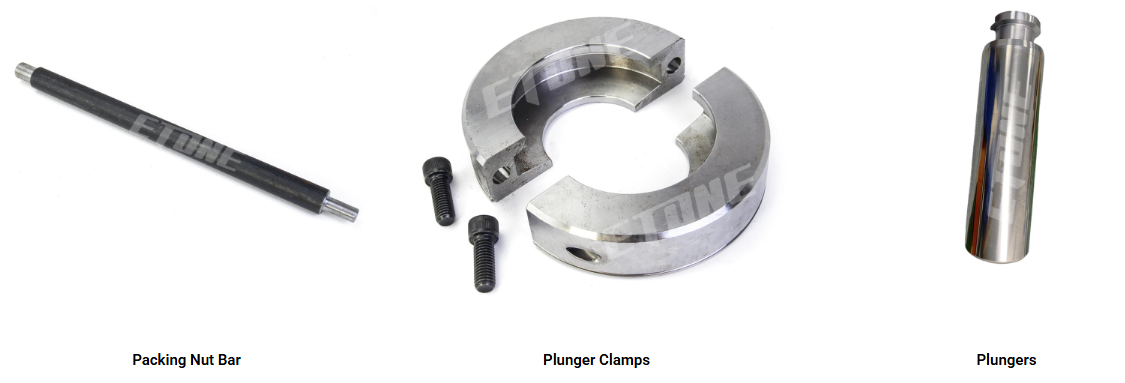
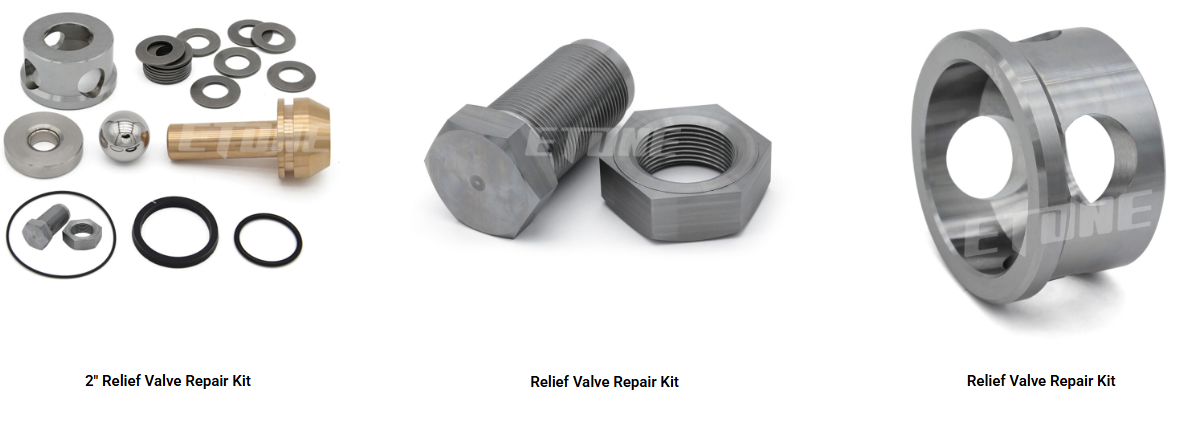
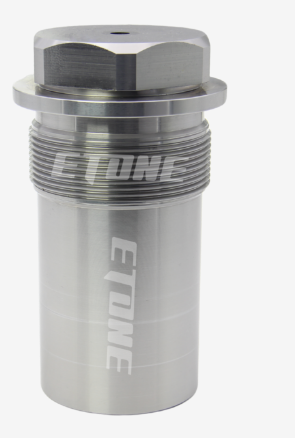
Our product range includes Plug Valve Repair Kits, Flapper Check Valve Repair Kits, Choke Valve Parts, Relief Valve Repair Kits, Plunger Pump Packing, and other customized oilfield spare parts.
For customers who need replacement components for specific equipment models, clear technical information helps establish the appropriate product configuration and manufacturing requirements.
Whether you need a plug valve seal kit for routine maintenance or a full plug valve repair kit for a broader overhaul, we recommend confirming the component list, material requirements, and valve compatibility before production.
To request a quotation, please provide:
Valve manufacturer, model, and part number
Required kit type and component list, if available
Nominal size and working pressure
Seal materials and other material specifications
Drawings, photographs, or reference samples
Order quantity and required delivery schedule
Inspection and documentation requirements
Our team can review the information and discuss suitable manufacturing arrangements for your oilfield spare parts project.
Contact Etone for Plug Valve Repair Kits
Tel: +86 135 3728 5097
If you are comparing a full plug valve repair kit with a seal kit, contact Etone to discuss your equipment requirements and request a customized quotation.